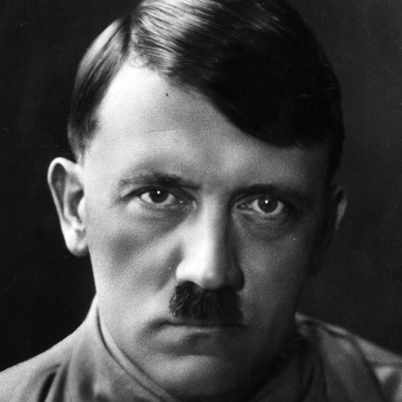
Teaser Image
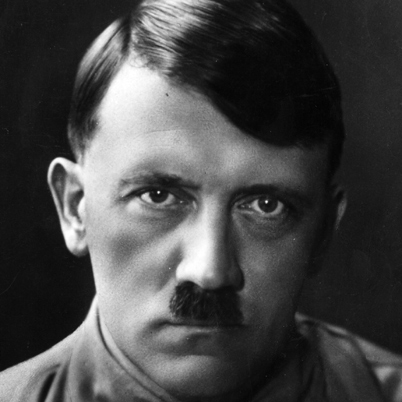
Hitler

Hitler Backed by Vatican

Hitler Backed by Vatican
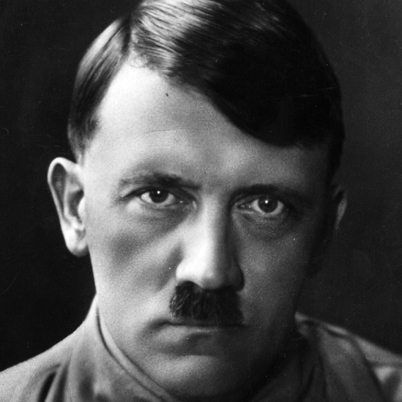
Hitler
 

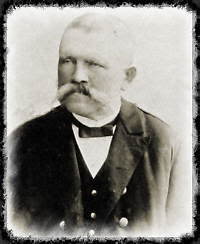
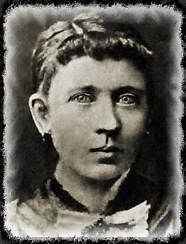
Hitlers fatherHitlers mother

Hitler’s father Alois Hitler (born Aloys Schicklgruber June 7, 1837 – January 3, 1903)  & Hitler’s mother Klara Hitler, born Klara Pölzl (August 12, 1860 – December 21, 1907) She was a devout Roman Catholic and went to church regularly.
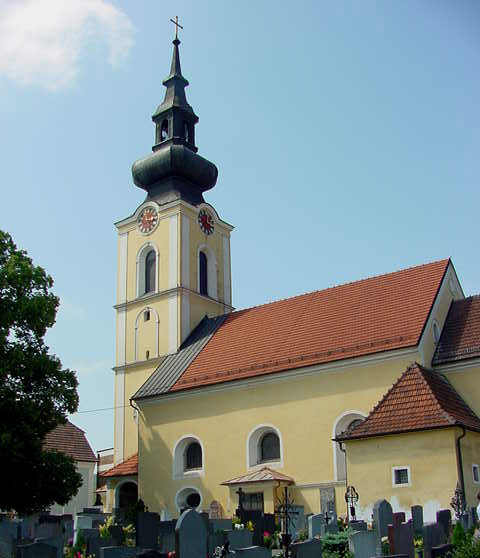
Hitlers church

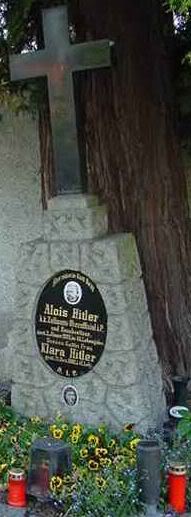
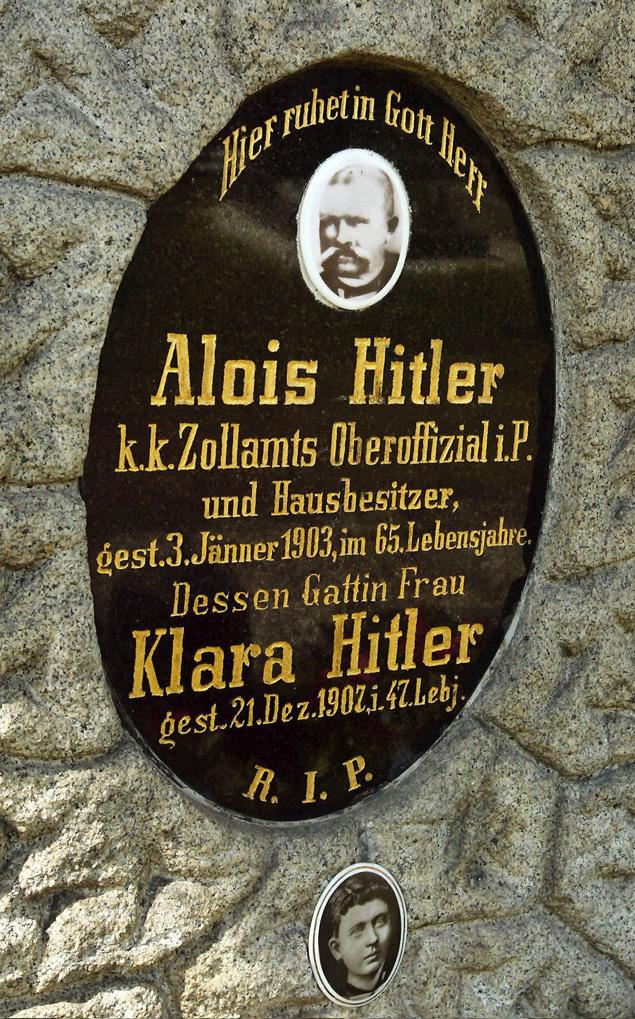
Both are buried at Austrian village Leonding.
Hitlers parents graveParents grave stone

parents grave stone

May 22, 1904: Fifteen year old Adolf Hitler has his Catholic confirmation ceremony at Linz Cathedral.
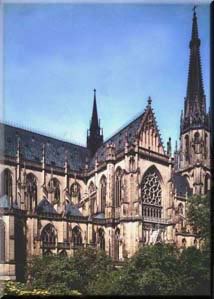
Hitler monestery

Hitler in photo of monastery choir where he went to Catholic school.  He would later say,

”Since in my free time I received singing lessons in the cloister at Lambach, I had excellent opportunity to intoxicate myself with the solemn splendor of the brilliant church festivals. It seemed to me perfectly natural to regard the abbot as the highest and most desirable ideal, just as my father regarded the village priest as his ideal.”
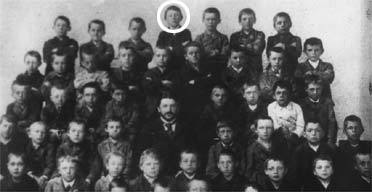
hitler choir

HITLER ISSUED COIN WITH CATHOLIC CHURCH ON ONE SIDE.

Actually, the Catholic Church owned the monetary system.
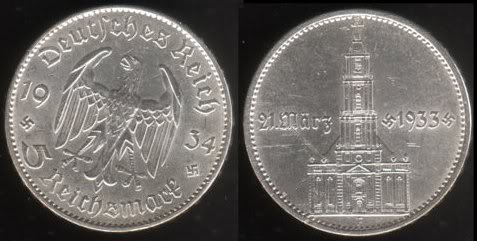
Nazi coin

PROPAGANDA PHOTO WITH OUR LADY CATHOLIC CHURCH IN BACKGROUND.
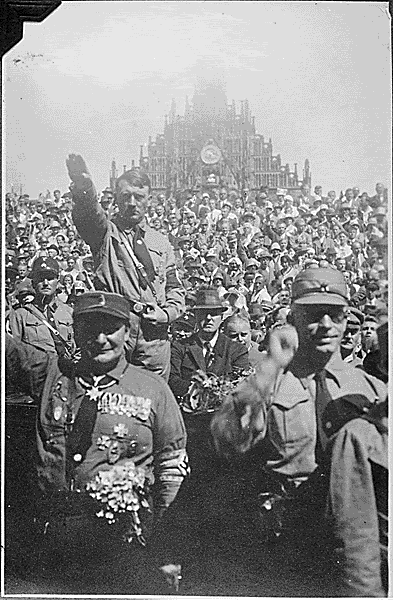
Neremberg ChurchHitler

According to historian John Toland, Hitler had the Nazi law defining Jewishness written to exclude Jesus Christ and himself.

In 1933, the London Daily Mirror published a picture of a gravestone in a Jewish cemetery in Bucharest inscribed with some Hebrew characters and the name Adolf Hitler.

Hitler’s former lawyer, Hans Frank, claimed that Adolf told him in 1930 that one of his relatives was trying to blackmail him by threatening to reveal his alleged Jewish ancestry.  Hitler asked Frank to find out the facts.  Frank says he determined that at the time Maria Schicklgruber gave birth to Alois, she was working as a household cook in the town of Graz.  Her employers were a Jewish family named Frankenberger, who had a 19-year-old son.  The son, according to Frank, was Alois’s father and Hitler’s grandfather — which would make the man who inspired the Holocaust one-quarter Jewish.

A study had been conducted in which saliva samples were collected from 39 of Hitler’s known relatives to test their DNA origins and found, though inconclusively, that Hitler may have Jewish origins. The paper reported: “A chromosome called Haplogroup E1b1b1 which showed up in [the Hitler] samples is rare in Western Europe and is most commonly found in the Berbers of Morocco, Algeria and Tunisia, as well as among Ashkenazi and Sephardic Jews … Haplogroup E1b1b1, which accounts for approximately 18 to 20 per cent of Ashkenazi and 8.6 per cent to 30 per cent of Sephardic Y-chromosomes, appears to be one of the major founding lineages of the Jewish population.”

Jewish population.”

Hitler praying
Hitler praying

Hitler said:

“It is of no matter whether or not the individual Jew is decent.  He possesses certain characteristics given to him by nature, and he can never rid himself of those characteristics.  The Jew is harmful to us … My feeling as a Christian leads me to be a fighter for my Lord and Savior.  It leads me to the man who, at one time lonely and with only a few followers, recognized the Jews for what they were, and called on men to fight against them … As a Christian, I owe something to my own people.”      Walker, WEMS, 474

He also remarked to one of his generals:

“I am now as before a Catholic and will always remain so.”

Hitler quashed thousands of lawsuits against the Catholic Church, exchanged multi-millions in various currencies with the Church, and established, with the full cooperation of the Church, a “rat line” via Switzerland and Italy where thousand of Nazi officers were given safe passage to a new life in North America and South America.
IHS

RE: Jesuits

"I learned much from the Order of the Jesuits", said Hitler... "Until now,
there has never been anything more grandiose, on the earth, than the
hierarchical organization of the Catholic Church. I transferred much of this
organization into my own party... I am going to let you in on a secret... I am
founding an Order... In my "Burgs" of the Order, we will raise up a youth
which will make the world tremble... Hitler then stopped, saying that he
couldn't say any more.."
 

All were Catholic, except 2, and those two also took orders from the Vatican

Adolf Hitler – Nazi Fuehrer

Benito Mussolini – Italian Duce

Francisco Franco – Spanish Caudillo

Antonio Salazar – Portuguese Dictator

Henri P. Petain – vichy chief of State

Pierre Laval – Vichy Chief of State

Joseph Tiso – Slovakian Chief of State

Vidkun Quisling – Premier of Occupied Norway = Protestant

Anton A Mussert – “Quisling” of Occupied Holland = Protestant

Emil Hacha – Nazi President of Bohemia-Moravia

Konrad Henlein – “Quisling” of Sudetenland

Leon M. Degrelle – Belgian Rexist Leader

Ante Pavelich – Croatian Poglavar (Leader)

THYSSEN’S BOOK, I PAID HITLER, USA 1941


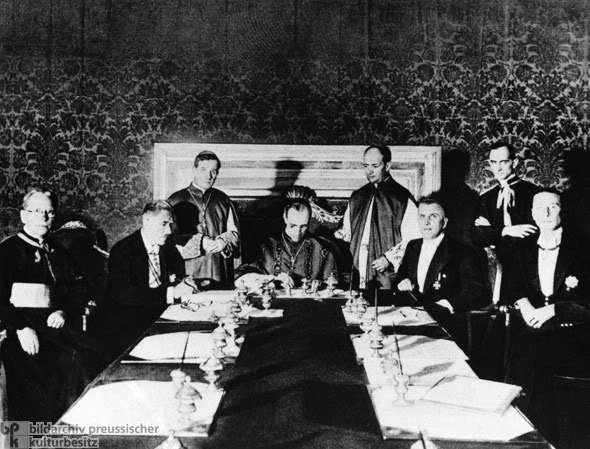
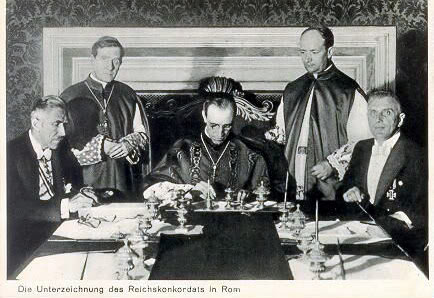
Concordat Between the Holy See and the German Reich
Nazi concordat

Nazi concordant

July 20, 1933

His Holiness Pope Pius XI and the President of the German Reich, moved by a common desire to consolidate and enhance the friendly relations existing between the Holy See and the German Reich, wish to regulate the relations between the Catholic Church and the State for the whole territory of the German Reich in a permanent manner and on a basis acceptable to both parties. They have decided to conclude a solemn agreement, which will supplement the Concordats already concluded with certain individual German states, and will ensure for the remaining States fundamentally uniform treatment of their respective problems.

For this purpose:

His Holiness Pope Pius XI has appointed as his Plenipotentiary His Eminence the Most Reverend Lord Cardinal Eugenio Pacelli, his Secretary of State.

The President of the German Reich has appointed as Plenipotentiary the Vice-Chancellor of the German Reich, Herr Franz von Papen.

Who, having exchanged their respective credentials and found them to be in due and proper form, have agreed to the following articles:

Article 1

The German Reich guarantees freedom of profession and public practice of the Catholic religion.

It acknowledges the right of the Catholic Church, within the limit of those laws which are applicable to all, to manage and regulate her own affairs independently, and, within the framework of her own competence, to publish laws and ordinances binding on her members.

Article 2

The Concordats concluded with Bavaria (1924), Prussia (1929) and Baden (1932) remain in force, and the rights and privileges of the Catholic Church recognized therein are secured unchanged within the territories of the States concerned. For the remaining States the agreements entered into in the present Concordat come into force in their entirety. These last are also binding for those States named above in so far as they affect matters not regulated by the regional Concordats or are complementary to the settlement already made.

In the future, regional Concordats with States of the German Reich will be concluded only with the agreement of the Reich Government.

Article 3

In order to foster good relations between the Holy See and the German Reich, an Apostolic Nuncio will reside in the capital of the German Reich and an Ambassador of the German Reich at the Holy See, as heretofore.

Article 4

In its relations and correspondence with the bishops, clergy and other members of the Catholic Church in Germany, the Holy See enjoys full freedom. The same applies to the bishops and other diocesan officials in their dealings with the faithful in all matters belonging to their pastoral office.

Instructions, ordinances, Pastoral Letters, official diocesan gazettes, and other enactments regarding the spiritual direction of the faithful issued by the ecclesiastical authorities within the framework of their competence (Art. 1, Sect. 2) may be published without hindrance and brought to the notice of the faithful in the form hitherto usual.

Article 5

In the exercise of their spiritual activities the clergy enjoy the protection of the State in the same way as State officials. The State will take proceedings in accordance with the general provisions of State law against any outrage offered to the clergy personally or directed against their ecclesiastical character, or any interference with the duties of their office, and in case of need will provide official protection.

Article 6

Clerics and Religious are freed from any obligation to undertake official offices and such obligations as, according to the provisions of Canon Law, are incompatible with the clerical or religious state. This applies particularly to the office of magistrate, juryman, member of Taxation Committee or member of the Fiscal Tribunal.

Article 7

The acceptance of an appointment or office in the State, or in any publicly constituted corporation dependent on the State, requires, in the case of the clergy, the nihil obstat of the Diocesan Ordinary of the individual concerned, as well as that of the Ordinary of the place in which the publicly constituted corporation is situated. The nihil obstat may be withdrawn at any time for grave reasons affecting ecclesiastical interests.

Article 8

The official income of the clergy is immune from distraint to the same extent as is the official salary of officials of the Reich and State.

Article 9

The clergy may not be required by judicial and other officials to give information concerning matters which have been entrusted to them while exercising the care of souls, and which therefore come within the obligation of pastoral secrecy.

Article 10

The wearing of clerical dress or of a religious habit on the part of lay folk, or of clerics or religious who have been forbidden to wear them by a final and valid injunction made by the competent ecclesiastical authority and officially communicated to the State authority, is liable to the same penalty on the part of the State as the misuse of military uniform.

Article 11

The present organization and demarcation of dioceses of the Catholic Church in the German Reich remains in force. Such rearrangements of a bishopric or of an ecclesiastical province or of other diocesan demarcations as shall seem advisable in the future, so far as they involve changes within the boundaries of a German State, remain subject to the agreement of the Government of the State concerned.

Rearrangements and alterations which extend beyond the boundaries of a German State require the agreement of the Reich Government, to whom it shall be left to secure the consent of the regional Government in question. The same applies to rearrangements or alterations of ecclesiastical Provinces involving several German States. The foregoing conditions do not apply to such ecclesiastical boundaries as are laid down merely in the interests of local pastoral care.

In the case of any territorial reorganization within the German Reich, the Reich Government will communicate with the Holy See with a view to rearrangement of the organization and demarcation of dioceses.

Article 12

Without prejudice to the provisions of Article 11, ecclesiastical offices may be freely constituted and changed, unless the expenditure of State funds is involved. The creation and alteration of parishes shall be carried out according to principles with which the diocesan bishops are agreed, and for which the Reich Government will endeavor to secure uniform treatment as far as possible from the State Governments.

Article 13

Catholic parishes, parish and diocesan societies, episcopal sees, bishoprics and chapters, religious Orders and Congregations, as well as institutions, foundations and property which are under the administration of ecclesiastical authority, shall retain or acquire respectively legal competence in the civil domain according to the general prescriptions of civil law. They shall remain publicly recognized corporations in so far as they have been such hitherto; similar rights may be granted to the remainder in accordance with those provisions of the law which apply to all.

Article 14.

As a matter of principle the Church retains the right to appoint freely to all Church offices and benefices without the co-operation of the State or of civil communities, in so far as other provisions have not been made in previous Concordats mentioned in Article 2. The regulation made for appointment to the Metropolitan see of Freiburg (the Ecclesiastical Province of the Upper Rhine) is to be duly applied to the two suffragan bishoprics of Rottenburg and Mainz, as well as to the bishopric of Meissen. With regard to Rottenburg and Mainz the same regulation holds for appointments to the Cathedral Chapter, and for the administration of the right of patronage. Furthermore, there is accord on the following points:

Catholic clerics who hold an ecclesiastical office in Germany or who exercise pastoral or educational functions must:
(a) Be German citizens.
(b) Have matriculated from a German secondary school.
(c) Have studied philosophy and theology for at least three years at a German State University, a German ecclesiastical college, or a papal college in Rome.

The Bull nominating Archbishops, Coadjutors “cum jure successionis”, or appointing a “Praelatus nullius”, will not be issued until the name of the appointee has been submitted to the representative of the National Government in the territory concerned, and until it has been ascertained that no objections of a general political nature exist.

By agreement between Church and State, Paragraph 1, sections (a) (b) and (c) may be disregarded or set aside.

Article 15

Religious Orders and Congregations are not subject to any special restrictions on the part of the State, either as regards their foundation, the erection of their various establishments, their number, the selection of members (save for the special provisions of paragraph 2 of this article), pastoral activity, education, care of the sick and charitable work, or as regards the management of their affairs and the administration of their property.

Religious Superiors whose headquarters are within Germany must be German citizens. Provincials and other Superiors of Orders, whose headquarters lie outside Germany, have the right of visitation of those of their establishments which lie within Germany.

The Holy See will endeavor to ensure that the provincial organization of conventual establishments within the German Reich shall be such that, as far as possible, German establishments do not fall under the jurisdiction of foreign provincials. Agreements may be made with the Reich Government in cases where the small number of houses makes a special German province impracticable, or where special grounds exist for the retention of a provincial organization which is firmly established and has acquired an historic nature.

Article 16

Before bishops take possession of their dioceses they are to take an oath of fealty either to the Reich Representative of the State concerned, or to the President of the Reich, according to the following formula: “Before God and on the Holy Gospels I swear and promise as becomes a bishop, loyalty to the German Reich and to the State of . . . I swear and promise to honor the legally constituted Government and to cause the clergy of my diocese to honor it. In the performance of my spiritual office and in my solicitude for the welfare and the interests of the German Reich, I will endeavor to avoid all detrimental acts which might endanger it.”

Article 17

The property and other rights of public corporation, institutions, foundations and associations of the Catholic Church regarding their vested interests, are guaranteed according to the common law of the land.

No building dedicated to public worship may be destroyed for any reason whatsoever without the previous consent of ecclesiastical authorities concerned.

Article 18

Should it become necessary to abrogate the performance of obligations undertaken by the State towards the Church, whether based on law, agreement or special charter, the Holy See and the Reich will elaborate in amicable agreement the principles according to which the abrogation is to be carried out.

Legitimate traditional rights are to be considered as titles in law.

Such abrogation of obligations must be compensated by an equivalent in favor of the claimant.

Article 19

Catholic Theological Faculties in State Universities are to be maintained. Their relation to ecclesiastical authorities will be governed by the respective Concordats and by special Protocols attached to the same, and with due regard to the laws of the Church in their regard. The Reich Government will endeavor to secure for all these Catholic Faculties in Germany a uniformity of practical administration corresponding to the general spirit and tenor of the various agreements concerned.

Article 20

Where other agreements do not exist, the Church has the right to establish theological and philosophical colleges for the training of its clergy, which institutions are to be wholly dependent on the ecclesiastical authorities if no State subsidies are sought.

The establishment, management and administration if theological seminaries and hostels for clerical students, within the limits of the law applicable to all, is exclusively the prerogative of the ecclesiastical authorities.

Article 21

Catholic religious instruction in elementary, senior, secondary and vocational schools constitutes a regular portion of the curriculum, and is to be taught in accordance with the principles of the Catholic Church. In religious instruction, special care will be taken to inculcate patriotic, civic and social consciousness and sense of duty in the spirit of the Christian Faith and the moral code, precisely as in the case of other subjects. The syllabus and the selection of textbooks for religious instruction will be arranged by consultative agreement with the ecclesiastical authorities, and these latter have the right to investigate whether pupils are receiving religious instruction in accordance with the teachings and requirements of the Church. Opportunities for such investigation will be agreed upon with the school authorities.

Article 22

With regard to the appointment of Catholic religious instructors, agreement will be arrived at as a result of mutual consultation on the part of the bishop unfit for the further exercise of their teaching functions, either on pedagogical grounds or by reason of their moral conduct, may not be employed for religious instruction so long as the obstacle remains.

Article 23

The retention of Catholic denomination schools and the establishment of new ones, is guaranteed. In all parishes in which parents or guardians request it, Catholic elementary schools will be established, provided that the number of pupils available appears to be sufficient for a school managed and administered in accordance with the standards prescribed by the State, due regard being had to the local conditions of school organizations.

Article 24

In all Catholic elementary schools only such teachers are to be employed as are members of the Catholic Church, and who guarantee to fulfill the special requirements of a Catholic school.

Within the frame-work of the general professional training of teachers, arrangements will be made which will secure the formation and training of Catholic teachers in accordance with the special requirements of Catholic denominational schools.

Article 25

Religious Orders and Congregations are entitled to establish and conduct private schools, subject to the general laws and ordinances governing education. In so far as these schools follow the curriculum prescribed for State schools, those attending them acquire the same qualifications as those attending State schools. The admission of members of religious Orders or Congregations to the teaching office, and their appointment to elementary, secondary or senior schools, are subject to the general conditions applicable to all.

Article 26

With certain reservations pending a later comprehensive regulation of the marriage laws, it is understood that, apart from cases of critical illness of one member of an engaged couple which does not permit of a postponement, and in cases of great moral emergency (the presence of which must be confirmed by the proper ecclesiastical authority), the ecclesiastical marriage ceremony should precede the civil ceremony. In such cases the pastor is in duty bound to notify the matter immediately at the Registrar’s office.

Article 27

The Church will accord provision to the German army for the spiritual guidance of its Catholic officers, personnel and other officials, as well as for the families of the same.

The administration of such pastoral care for the army is to be vested in the army bishop. The latter’s ecclesiastical appointment is to be made by the Holy See after contact has been made with the Reich Government in order to select a suitable candidate who is agreeable to both parties.

The ecclesiastical appointment of military chaplains and other military clergy will be made after previous consultations with the appropriate authorities of the Reich by the army bishop. The army bishop may appoint only such chaplains as receive permission from their diocesan bishop to engage on military pastoral work, together with a certificate of suitability. Military chaplains have the rights of parish priests with regard to the troops and other army personnel assigned to them.

Detailed regulations for the organization of pastoral work by chaplains will be supplied by an Apostolic Brief. Regulations for official aspects of the same work will be drawn up by the Reich Government.

Article 28

In hospitals, prisons, and similar public institutions the Church is to retain the right of visitation and of holding divine service, subject to the rules of the said institutions. If regular pastoral care is provided for such institutions, and if pastors be appointed as State or other public officials, such appointments will be made by agreement with the ecclesiastical authorities.

Article 29

Catholic members of a non-German minority living within the Reich, in matters concerning the use of their mother tongue in church services [sermons], religious instruction and the conduct of church societies, will be accorded no less favorable treatment than that which is actually and in accordance with law permitted to individuals of German origin and speech living within the boundaries of the corresponding foreign States.

Article 30

On Sundays and Holy days, special prayers, conforming to the Liturgy, will be offered during the principal Mass for the welfare of the German Reich and its people in all episcopal, parish and conventual churches and chapels of the German Reich.

Article 31

Those Catholic organizations and societies which pursue exclusively charitable, cultural or religious ends, and, as such, are placed under the ecclesiastical authorities, will be protected in their institutions and activities.

Those Catholic organizations which to their religious, cultural and charitable pursuits add others, such as social or professional interests, even though they may be brought into national organizations, are to enjoy the protection of Article 31, Section I, provided they guarantee to develop their activities outside all political parties.

It is reserved to the central Government and the German episcopate, in joint agreement, to determine which organizations and associations come within the scope of this article.

In so far as the Reich and its constituent States take charge of sport and other youth organizations, care will be taken that it shall be possible for the members of the same regularly to practice their religious duties on Sundays and feast days, and that they shall not be required to do anything not in harmony with their religious and moral convictions and obligations.

Article 32

In view of the special situation existing in Germany, and in view of the guarantee provided through this Concordat of legislation directed to safeguard the rights and privileges of the Roman Catholic Church in the Reich and its component States, the Holy See will prescribe regulations for the exclusion of clergy and members of religious Orders from membership of political parties, and from engaging in work on their behalf.

Article 33

All matters relating to clerical persons or ecclesiastical affairs, which have not been treated of in the foregoing articles, will be regulated for the ecclesiastical sphere according to current Canon Law.

Should differences of opinion arise regarding the interpretation or execution of any of the articles of this Concordat, the Holy See and the German Reich will reach a friendly solution by mutual agreement.

Article 34

This Concordat, whose German and Italian texts shall have equal binding force, shall be ratified, and the certificates of ratification shall be exchanged, as soon as possible. It will be in force from the day of such exchange.

In witness hereof, the plenipotentiaries have signed this Concordat. Signed in two original exemplars, in the Vatican City, July 20th, 1933.

(Signed) Eugenio, Cardinal Pacelli

(Signed) Franz von Papen

APPENDIX: THE SUPPLEMENTARY PROTOCOL

At the signing of the Concordat concluded today between the Holy See and the German Reich, the undersigned, being regularly thereto empowered, have adjoined the following explanations which form an integral part of the Concordat itself.

In re: Article 3. The Apostolic Nuncio to the German Reich, in accordance with the exchange of notes between the Apostolic Nunciature in Berlin and the Reich Foreign Office on the 11th and the 27th of March respectively, shall be the Doyen of the Diplomatic Corps thereto accredited.

Article 13. It is understood that the Church retains the right to levy Church taxes.

Article 14, Par. 2. It is understood that when objections of a general political nature exist, they shall be presented within the shortest possible time. If after twenty days such representations have not been made, the Holy See may be justified in assuming that no objections exist to the candidate in question. The names of the persons concerned will be kept confidential until the announcement of the appointment. No right of the State to assert a veto is to be derived from this article.

Article 17. In so far as public buildings or properties are devoted to ecclesiastical purposes, these are to be retained as before, subject to existing agreements.

Article 19, Par 2. This clause is based, at the time of signature of this Concordat, especially on the Apostolic Constitution, “Deus Scientiarum Dominus’ of May 24th, 1931, and the Instruction of July 7th, 1932.

Article 20. Hostels which are administered by the Church in connection with certain Universities and secondary schools, will be recognized, from the point of view of taxation, as essentially ecclesiastical institutions in the proper sense of the word, and as integral parts of diocesan organization.

Article 24. In so far as private institutions are able to meet the requirements of the new educational code with regard to the training of teachers, all existing establishments of religious Orders and Congregations will be given due consideration in the accordance or recognition.

Article 26. A severe moral emergency is taken to exist when there are insuperable or disproportionately difficult and costly obstacles impeding the procuring of documents necessary for the marriage at the proper time.

Article 27, Par. 1. Catholic officers, officials and personnel, their families included, do not belong to local parishes, and are not to contribute to their maintenance.

Article 27, Par 4. The publication of the Apostolic Brief will take place after consultation with the Reich Government.

Article 28. In cases of urgency entry of the clergy is guaranteed at all times.

Article 29. Since the Reich Government has seen its way to come to an agreement regarding non-German minorities, the Holy See declares — in accordance with the principles it has constantly maintained regarding the right to employ the vernacular in Church services [sermons], religious instruction and the conduct of Church societies — that it will bear in mind similar clauses protective of German minorities when establishing Concordats with other countries.

Article 31, Par. 4. The principles laid down in Article 31, Sect. 4 hold good also for the Labor Service.

Article 32. It is understood that similar provisions regarding activity in Party politics will be introduced by the Reich Government for members of non-catholic denominations. The conduct, which has been made obligatory for the clergy and members of religious Orders in Germany in virtue of Article 32, does not involve any sort of limitation of official and prescribed preaching and interpretation of the dogmatic and moral teachings and principles of the Church.

(Signed) Eugenio, Cardinal Pacelli

(Signed) Franz von Papen

At the Vatican City, July 20th, 1933.
Teaser Image
vatican

Vatican

Vatican

 
  vatican
 
vatican city

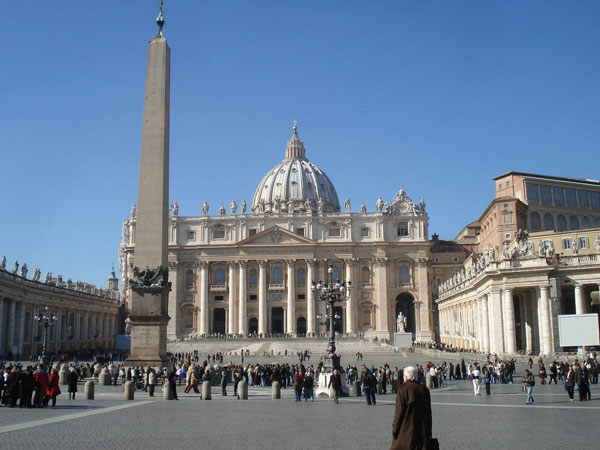
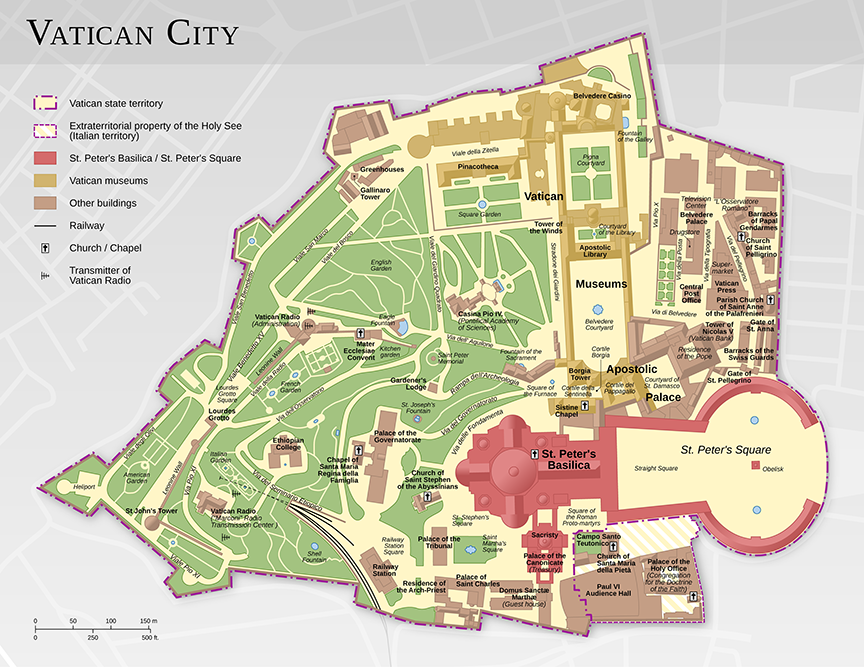
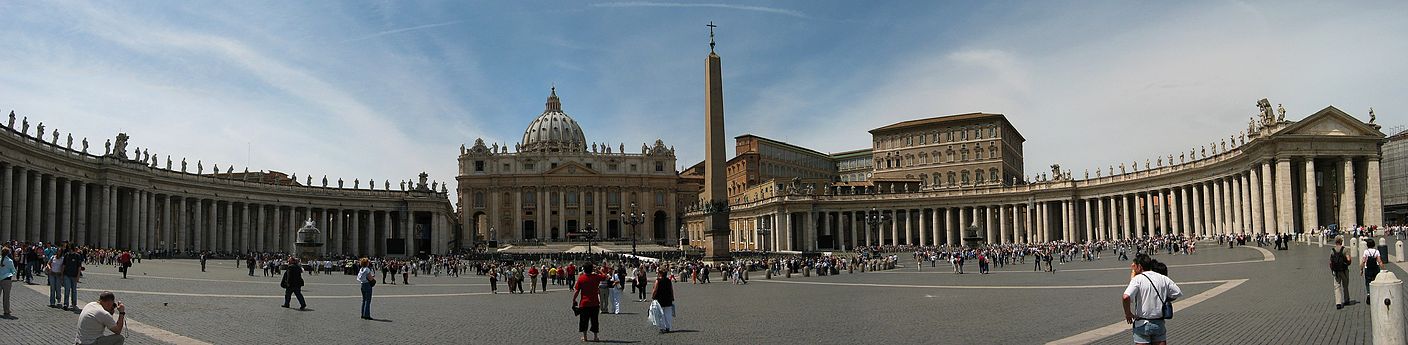
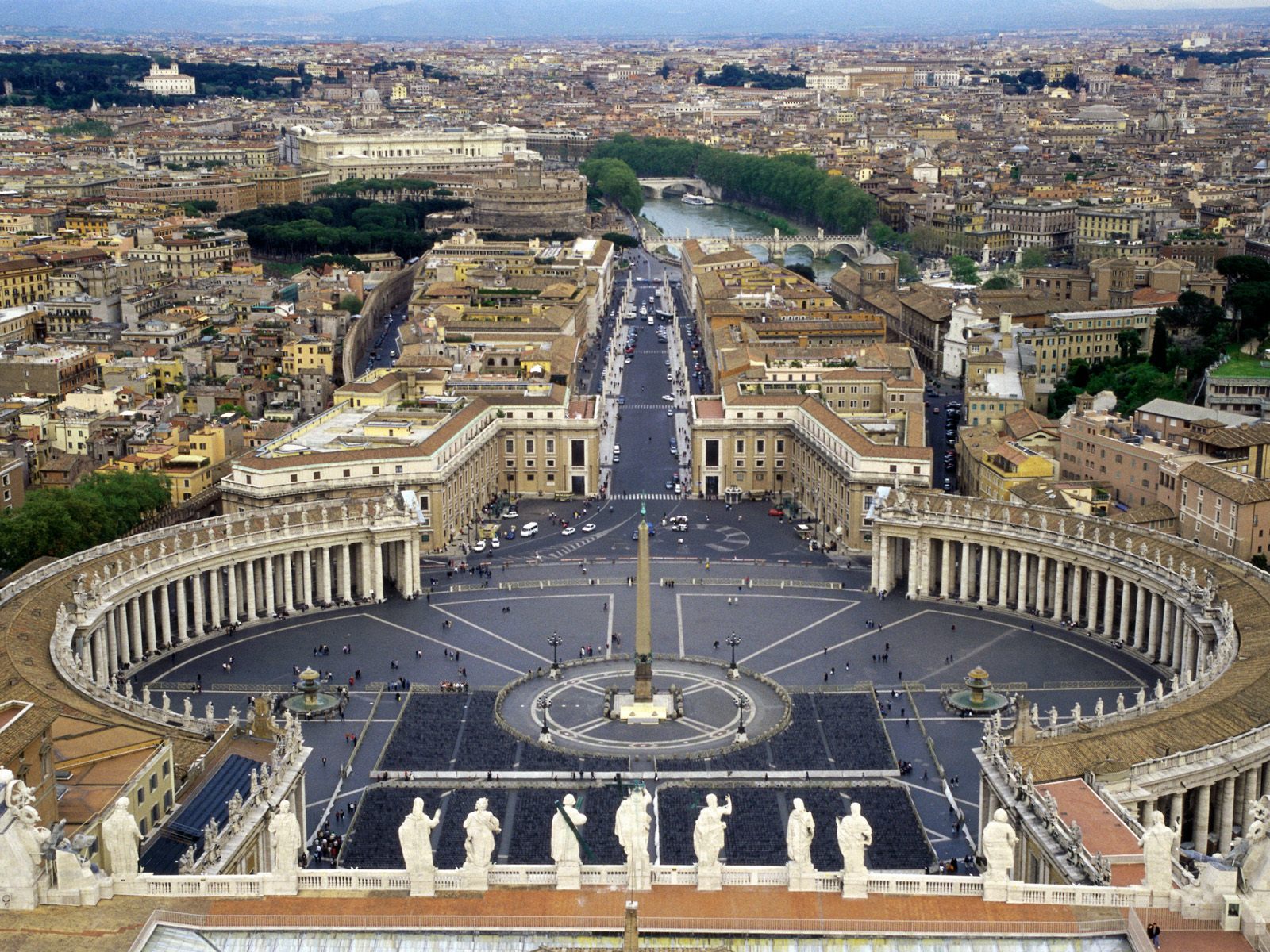
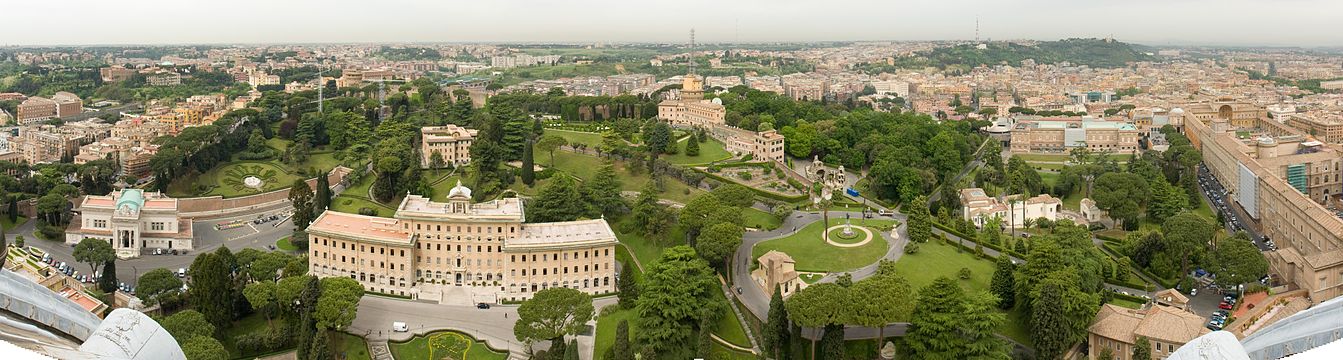
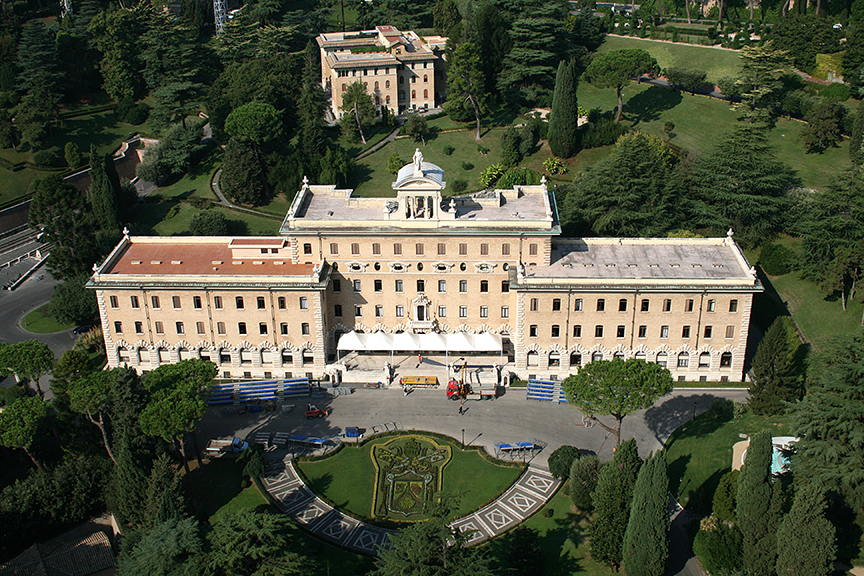
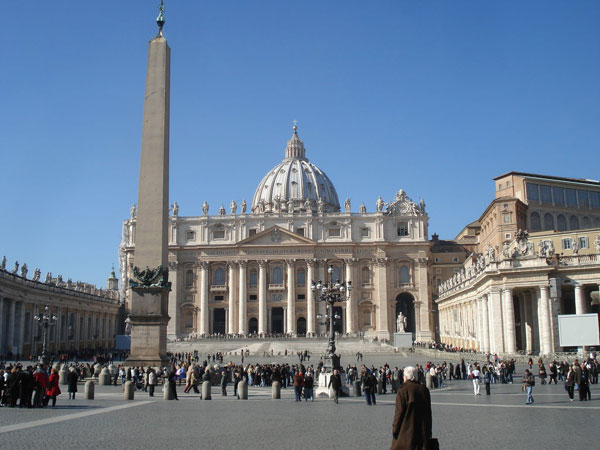
Vatican city is a sovereign state within the city of Rome.  It became a state in 1929.  Its size is only 110 acres, the smallest country in world.  It’s the size of a typical small residential ranch in Texas.

And I tell you, you are Peter and on this rock I will build my church and the gates of Hades will not prevail against it.   Matthew 16:18

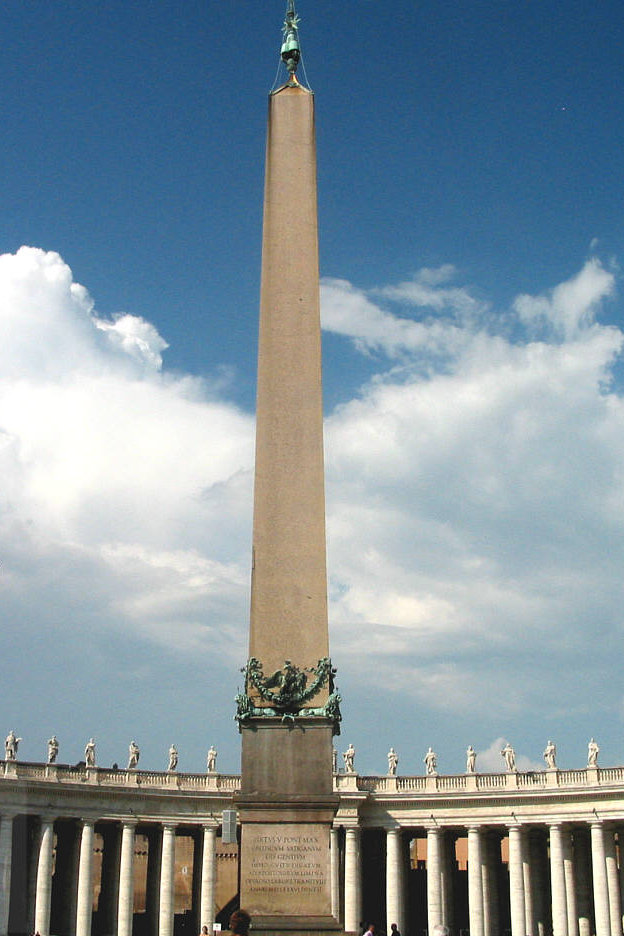
obliskGendarmeria


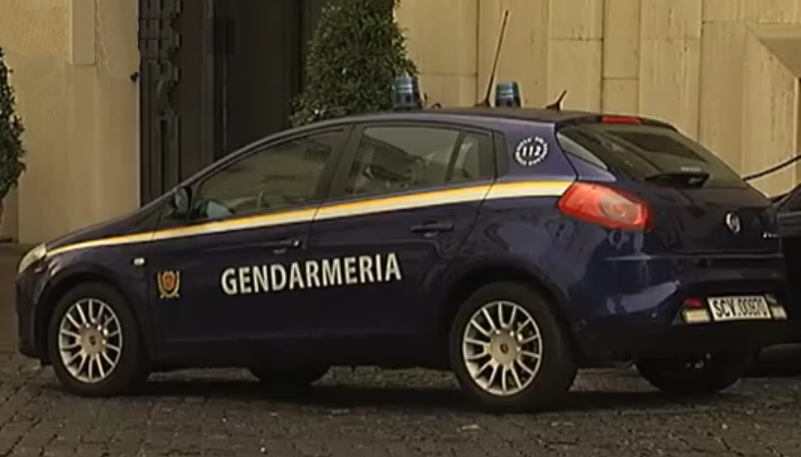
There are two security forces that protect the Vatican City State;

vatican security

The Corps of Gendarmerie of Vatican City handles border control and criminal investigations.

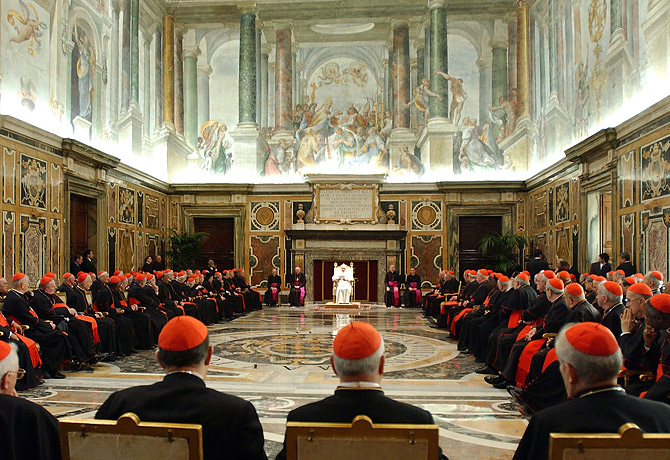
pope and cardinals

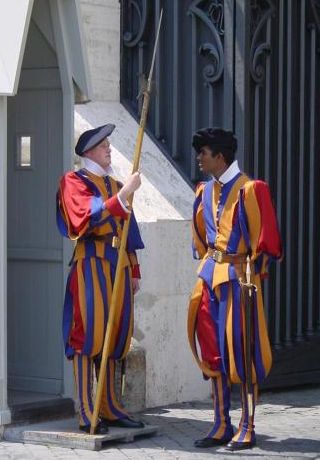
And the Swiss Guard, trained in Switzerland, is the personal security force of the Pope.  The Vatican’s gold and wealth is in Switzerland.

St peters square

St peters square

behind St peters


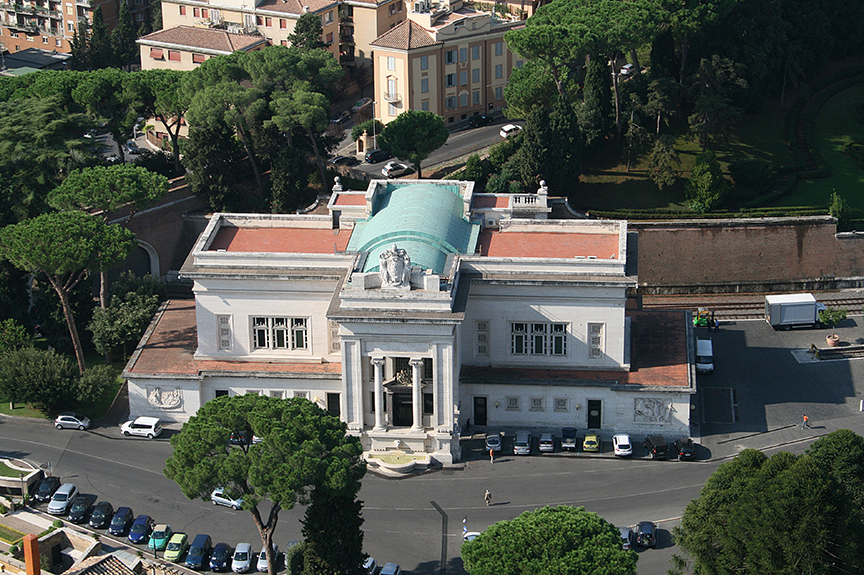
governing palace

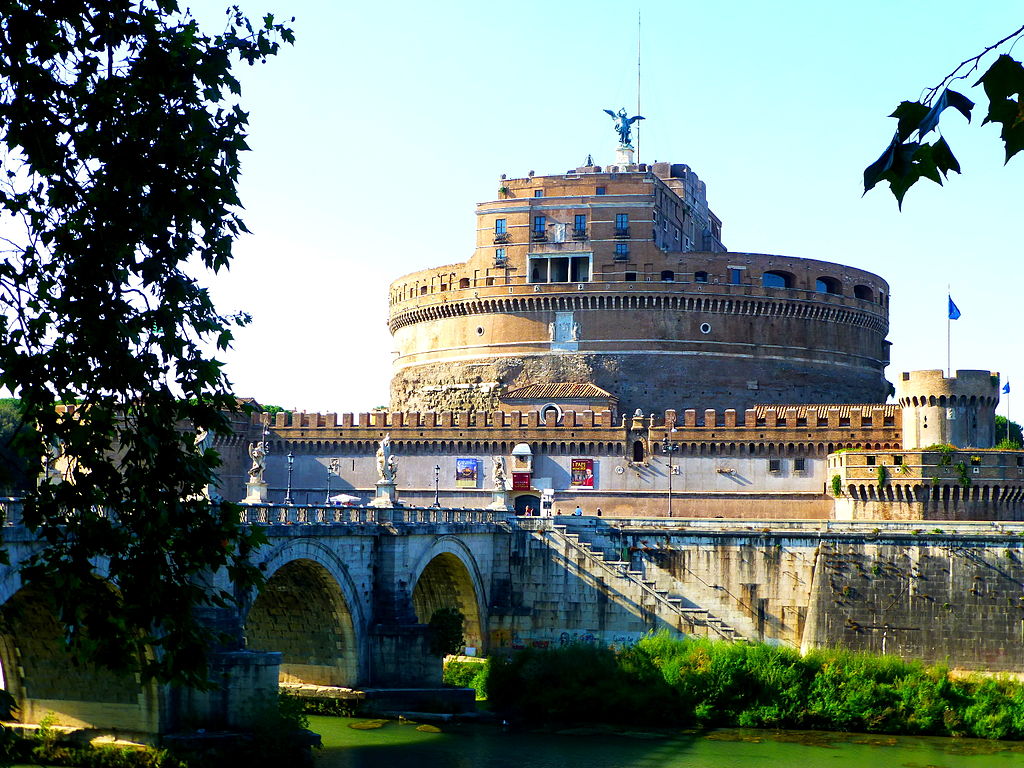
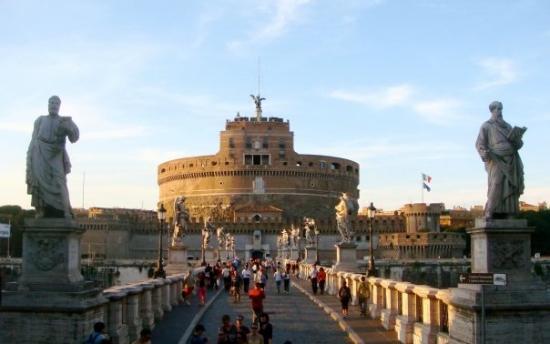
Fort Saint Angelo
Governing Palace
Fort Saint Angelo
Fort Saint Angelo
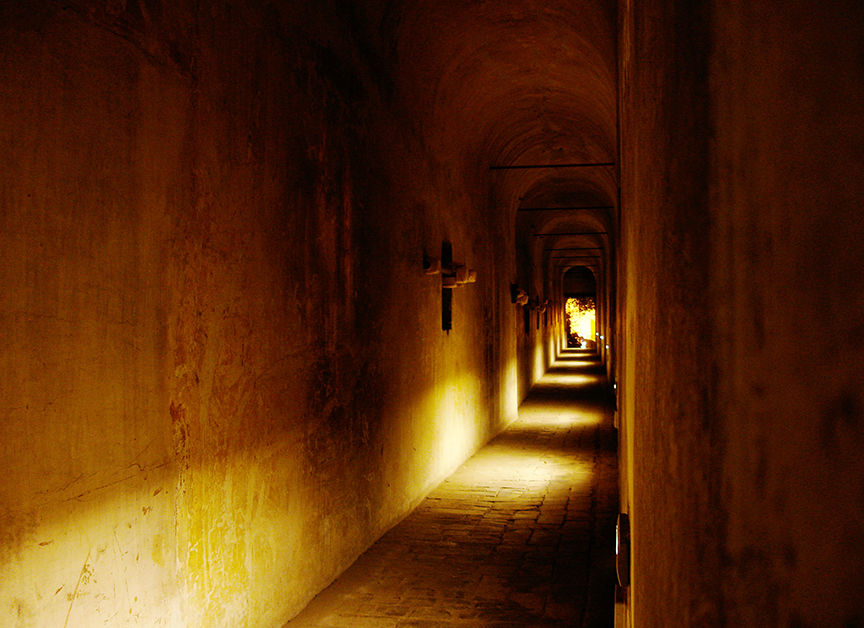
passetto
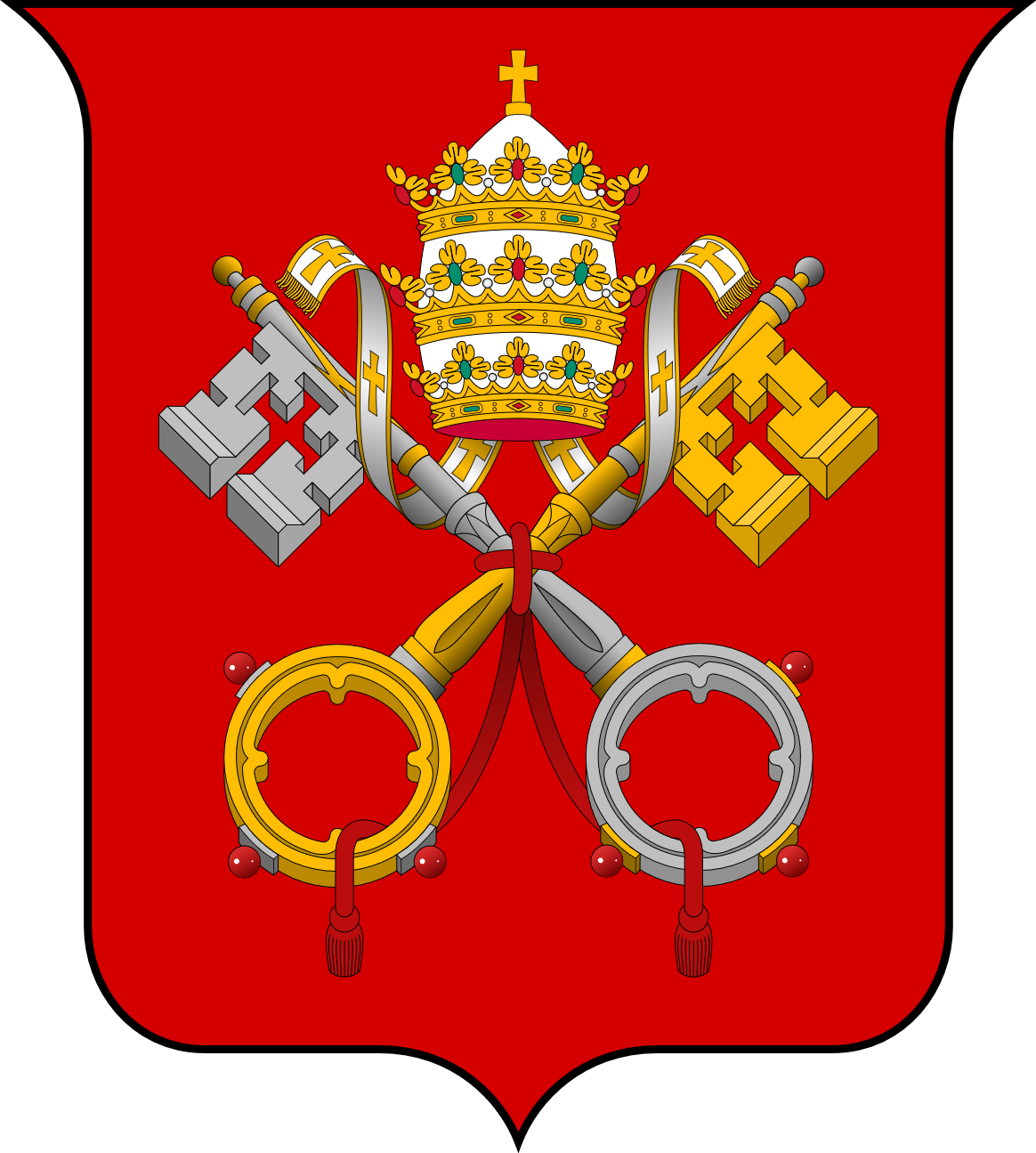
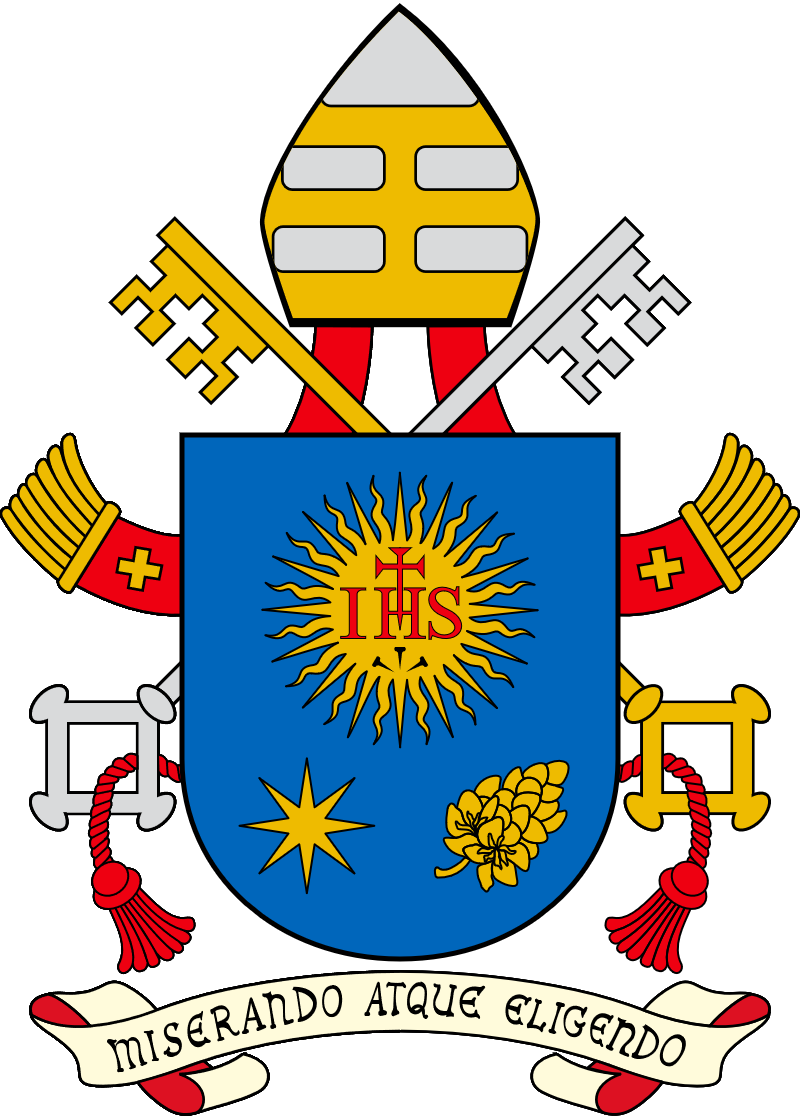
coat of arms
Fort Saint Angelo

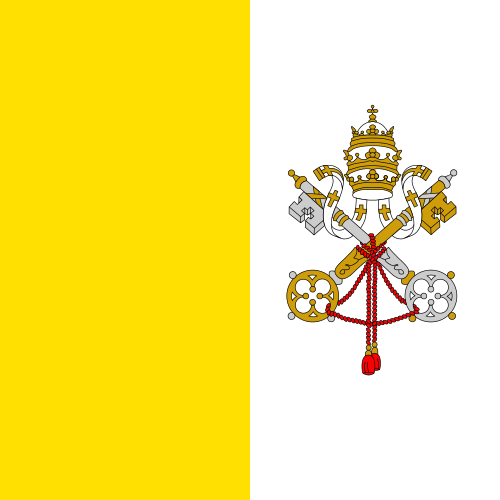
vatican flagHeliporttrain station


Vatican heliport


Vatican train station

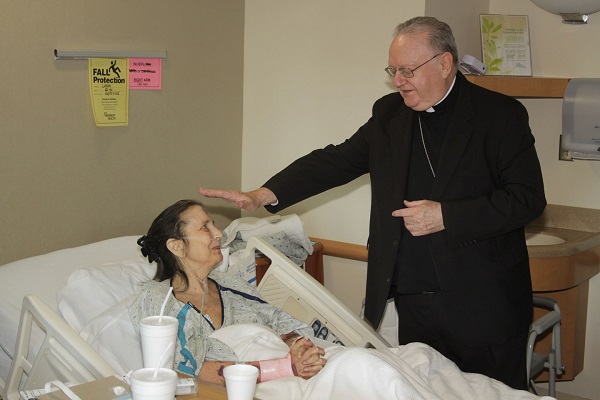
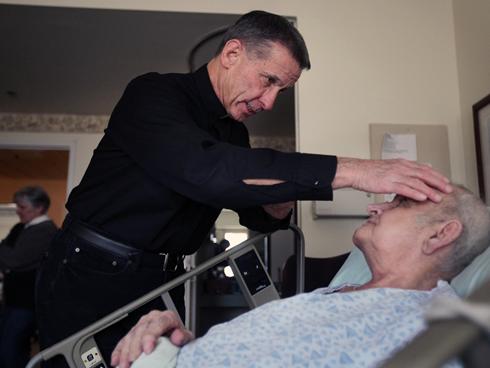
Last Rites

Last Rites


last rites


LAST RITES

ALSO KNOWN AS ….. EXTREME UNCTION.

The last rites are the last prayers and ministrations given to many Catholics when possible
shortly before death. The last rites go by various names and include various practices in
different Catholic traditions. They may be administered to those awaiting execution, mortally
injured, or terminally ill.

last rites


LAST RITES

(Writ of Upsilon)

The oil should be blessed beforehand with the Holy Spirit and Christ Force, either on the
scene or in your own chapel.

Step 1: Sanctification of the Rite

O HOLY HOSTS ABOVE, I CALL UPON THEE AS A SERVANT OF JESUS CHRIST, TO SANCTIFY
OUR ACTIONS THIS DAY IN PREPARATION FOR THE FULFILLMENT OF THE WILL OF GOD.

Step 2: Invocation

I CALL UPON THE GREAT ARCHANGEL RAPHAEL, MASTER OF AIR, TO OPEN THE WAY FOR
THIS TO BE DONE. LET THE FIRE OF THE HOLY SPIRIT NOW DESCEND THAT THIS BEING
MIGHT BE AWAKENED TO THE WORLD BEYOND AND THE LIFE OF EARTH, AND INFUSED
WITH THE POWER OF THE HOLY SPIRIT.

Step 3: Dedication of the Soul

O LORD JESUS CHRIST, MOST MERCIFUL, LORD OF EARTH WE ASK THAT YOU RECEIVE THIS
CHILD INTO YOUR ARMS, THAT HE MIGHT PASS IN SAFETY FROM THIS CRISIS. AS THOU
HAST TOLD US WITH INFINITE COMPASSION:
“LET NOT YOUR HEART BE TROUBLED: YE BELIEVE IN GOD, BELIEVE ALSO IN ME.
“IN MY FATHER’S HOUSE ARE MANY MANSIONS: IF IT WERE NOT SO, I WOULD HAVE TOLD
YOU. I GO PREPARE A PLACE FOR YOU.
“AND IF I GO AND PREPARE A PLACE FOR YOU, I WILL COME AGAIN, AND RECEIVE YOU
UNTO MYSELF: THAT WHERE I AM, THERE YE MAY BE ALSO.
AND WHITHER I GO YE KNOW, AND THE WAY YE KNOW.”
John 14:1-4
SO LET IT BE DONE.

Step 4: Absolution and Purification

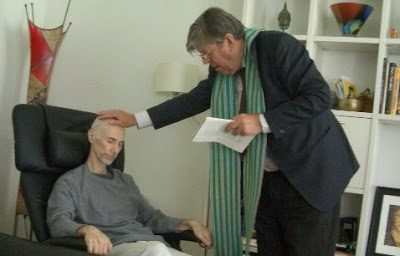
(If the person is conscious, accept his confession now.)
BY THIS SIGN THOU ART ANOINTED WITH THE GRACE OF THE ATONEMENT OF JESUS
CHRIST AND THOU ART ABSOLVED OF ALL PAST ERROR AND FREED TO TAKE YOUR PLACE
IN THE WORLD HE HAS PREPARED FOR US.
(As you say this prayer, make a X (cross) on his forehead with your thumb with olive oil. First
make the vertical line from top to bottom, then the horizontal from left to right.)

Step 5: Prayer of Universal Thanksgiving

I WILL SING OF THE MERCIES OF THE LORD FOREVER: WITH MY MOUTH WILL I MAKE
KNOWN THY FAITHFULNESS TO ALL GENERATIONS.
FOR I HAVE SAID, MERCY SHALL BE BUILT UP FOREVER: THY FAITHFULNESS SHALT THOU
ESTABLISH IN THE VERY HEAVENS.
I HAVE MADE A COVENANT WITH MY CHOSEN, I HAVE SWORN UNTO DAVID MY SERVANT.
THY SEED WILL I ESTABLISH FOREVER, AND BUILD UP THY THRONE TO ALL GENERATIONS.
SELAH.
AND THE HEAVENS SHALL PRAISE THY WONDERS, O LORD: THY FAITHFULNESS ALSO IN
THE CONGREGATION OF THE SAINTS.
FOR WHO IN THE HEAVEN CAN BE COMPARED UNTO THE LORD? WHO AMONG THE SONS
OF THE MIGHTY CAN BE LIKENED UNTO THE LORD?
GOD IS GREATLY TO BE FEARED IN THE ASSEMBLY OF THE SAINTS, AND TO BE HAD IN
REVERENCE OF ALL THEM THAT ARE ABOUT HIM.
Psalm 89:1-7

Step 6: Benediction

AND THUS DO I COMMEND THEE INTO THE ARMS OF OUR LORD OF EARTH, OUR LORD
JESUS CHRIST, PRESERVER OF ALL MERCY AND REALITY, AND THE FATHER CREATOR.
WE GIVE HIM GLORY AS WE GIVE YOU INTO HIS ARMS IN EVERLASTING PEACE, TO BE
PREPARED TO RETURN INTO THE DENSER REALITY OF GOD THE FATHER, CREATOR OF ALL.
AMEN, AMEN, AMEN.


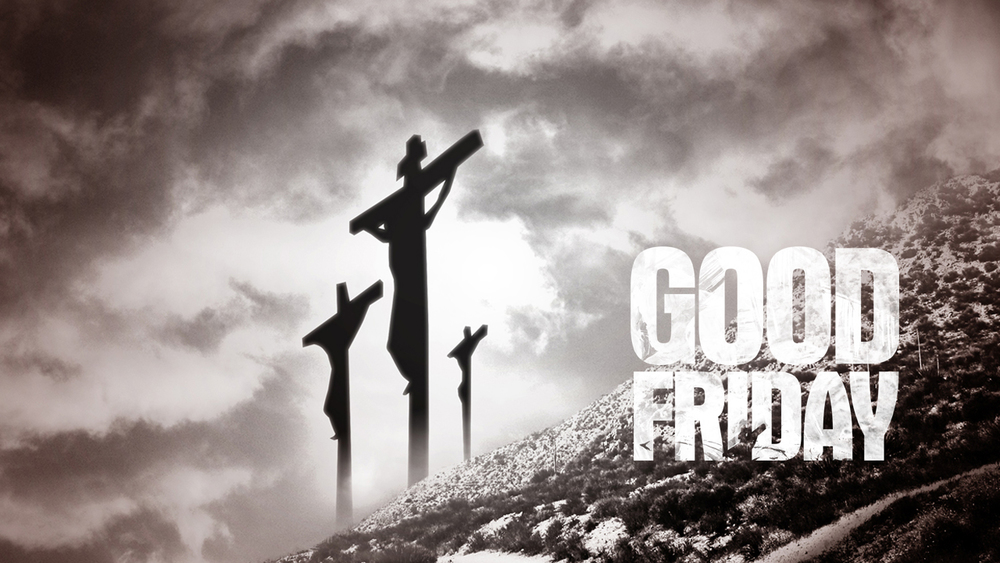
Good Friday

Good Friday


good friday


GOOD FRIDAY

The Friday before Easter.

The mourning period starts at 12 noon and goes until 3PM.  During this time the Christian prays and lights candles and remains quiet.   No meat is to be eaten.  Some Christians fast all day.  

According to the (Word of God) Matthew, Mark and Luke Gospels, The last meal of Jesus was a Passover Seder.  [Matt. 26:17]  [Mk. 14:1–2]  [Lk 22:1–15]

On the first day of the Festival of Unleavened Bread, when it was customary to sacrifice the Passover lamb, Jesus’ disciples asked him, “Where do you want us to go and make preparations for you to eat the Passover?”    Mark 14:12

Naturally the (Word of God) Gospel of John states that the last meal was before the Passover festival had begun.  The Gospel of John makes no explicit mention that the Last Supper was a Passover meal and presents the official Jewish Passover feast as beginning in the evening a few hours after the death of Jesus (special Sabbath starts at sundown).

It was just before the Passover Festival.   John 13:1

Now it was the day of Preparation, and the next day was to be a special Sabbath.   John 19:31

Because it was the Jewish day of Preparation and since the tomb was nearby, they laid Jesus there.     John 13:42

This states that the meal was the day before Passover (he dies on the time of the Passover lamb sacrifice chapter 19).  Also at the meal no breaking of bread and no cup of wine symbolizing his blood poured out. 

Good Friday

Ash Wednesday

Ash Wednesday


ash wednesday


ASH WEDNESDAY

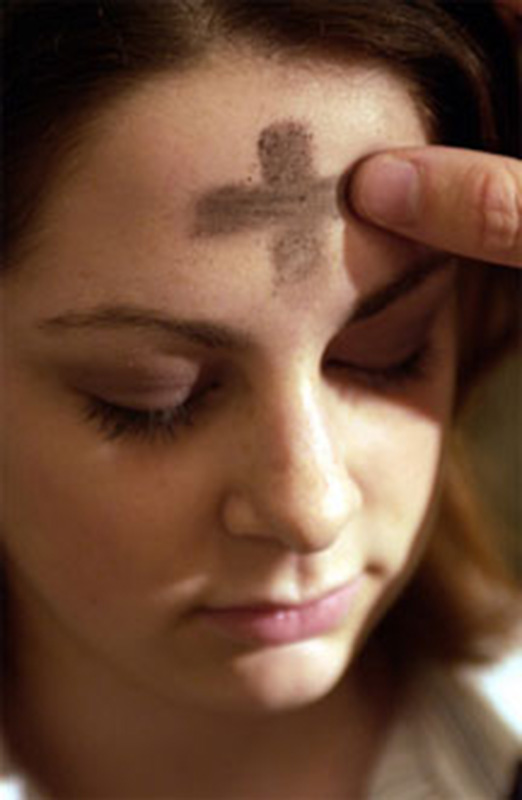
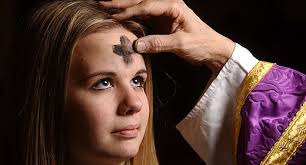
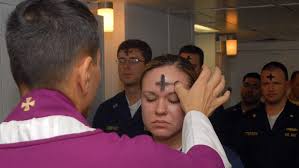
The priest, or Pastor, will dip his finger into the ashes, spread them in a cross pattern on the forehead, and say, “From dust you came and from dust you will return.”

The ashes are prepared by burning palm branches from the previous Palm Sunday.

“Ashes are equivalent to dust, and human flesh is composed of dust or clay, and when a human corpse decomposes, it returns to dust or ash.”

Then the Lord God formed a man[a] from the dust of the ground and breathed into his nostrils the breath of life, and the man became a living being.      Genesis 2:7

1By the sweat of your brow
    you will eat your food
until you return to the ground,
    since from it you were taken;
for dust you are
    and to dust you will return.”          Genesis 3:19

 The Priest explanation; “On Ash Wednesday we are saying that we are sorry for our sins, and that we want to use the season of Lent to correct our faults, purify our hearts, control our desires and grow in holiness so we will be prepared to celebrate Easter with great joy” 

ash wednesday
ash wednesday

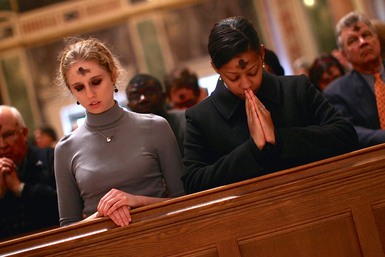
WASHINGTON – FEBRUARY 17: Catholics pray during an Ash Wednesday Mass at the Cathedral of Saint Matthew the Apostle February 17, 2010 in Washington, DC. Today marks the beginning of Lent for Catholics, a 40-day penitential period before Easter. (Photo by Win McNamee/Getty Images)

ash wednesday

WHAT ARE YOU NOT ALLOWED TO EAT ON ASH WEDNESDAY?

As far as the exact rules and practices of Lent, those have changed over the years. “In the early centuries fasting rules were strict, as they still are in Eastern churches,” notes Britannica.com. “One meal a day was allowed in the evening, and meat, fish, eggs, and butter were forbidden. The Eastern church also restricts the use of wine, oil, and dairy products. In the West, these fasting rules have gradually been relaxed. The strict law of fasting among Roman Catholics was dispensed with during World War II, and only Ash Wednesday and Good Friday are now kept as Lenten fast days.”


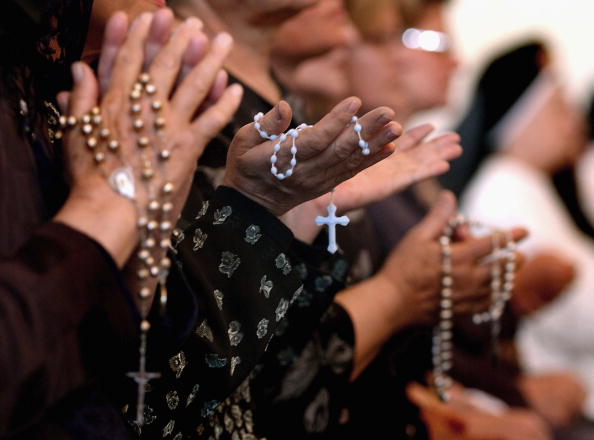
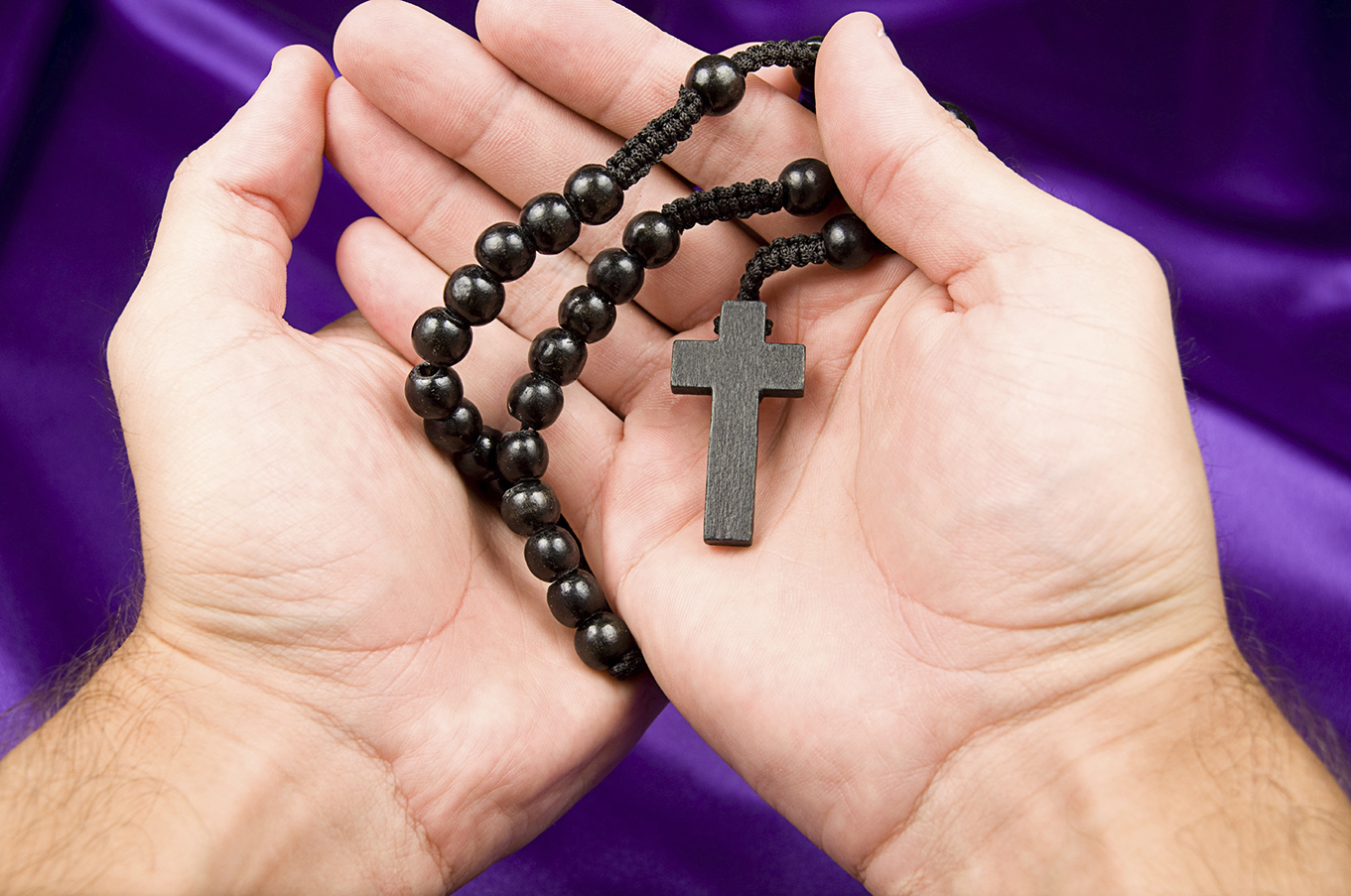
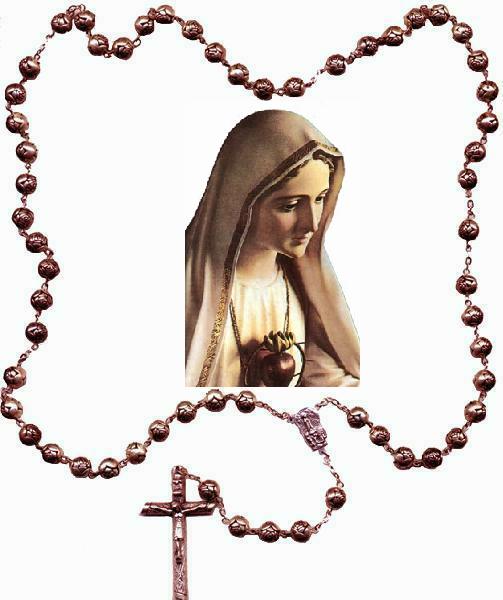
Rosary

Rosary


roseary

ROSARY – (PRAYER BEADS)

And when you pray, do not keep on babbling like pagans, for they think they will be heard
because of their many words.          – Matthew 6:7

roseary

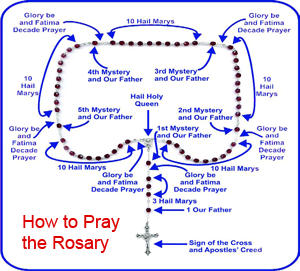
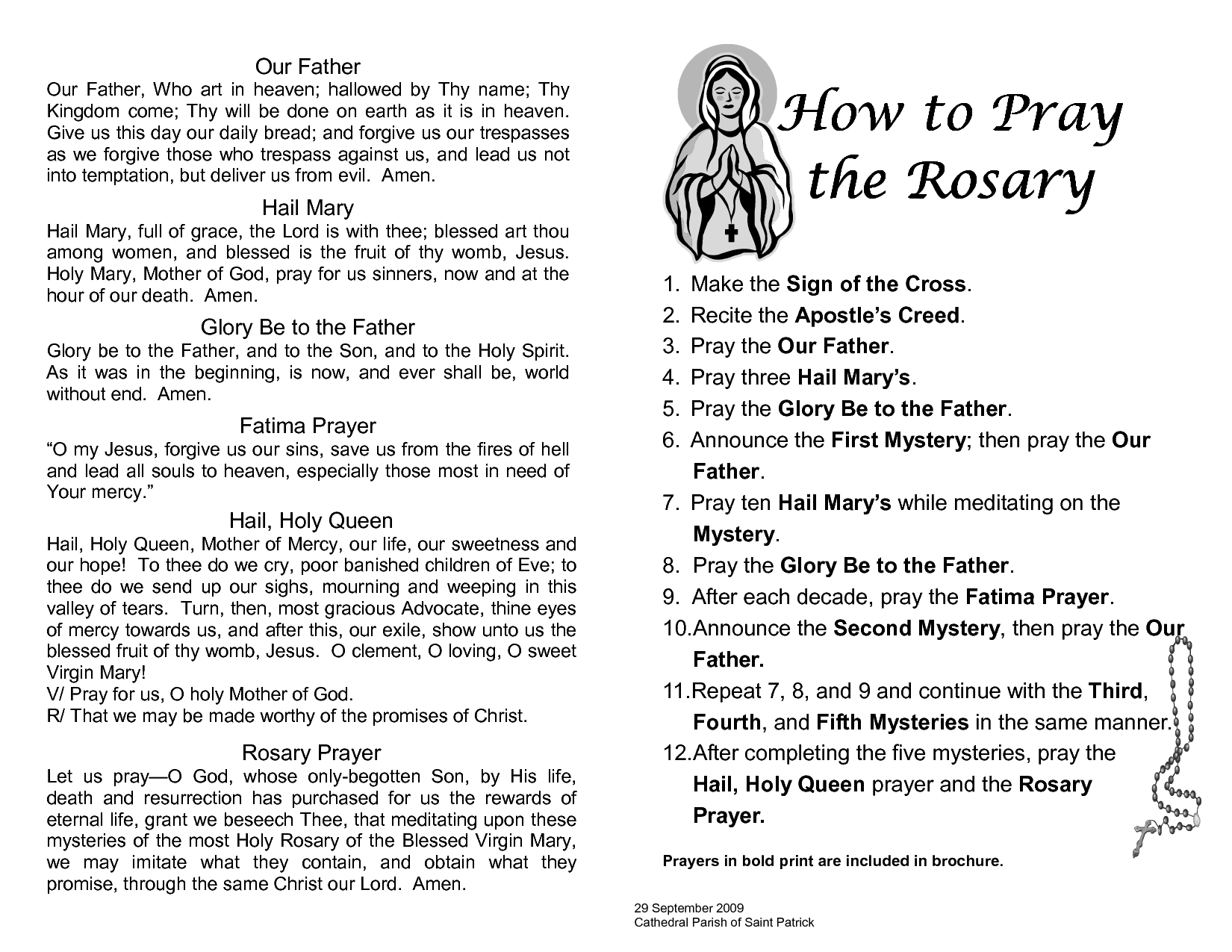
HOW TO PRAY THE ROSARY

1. Make the Sign of the Cross.
2. Recite the Apostle’s Creed.
3. Pray the Our Father.
4. Pray three Hail Mary’s.
5. Pray the Glory Be to the Father.
6. Announce the First Mystery; then pray the Our Father.
7. Pray ten Hail Mary’s while meditating on the Mystery.
8. Pray the Glory Be to the Father.
9. After each decade, pray the Fatima Prayer.
10. Announce the Second Mystery, then pray the Our Father.
11. Repeat 7, 8, and 9 and continue with the Third, Fourth, and Fifth Mysteries in the same
manner.
12. After completing the five mysteries, pray the Hail, Holy Queen prayer and the
Rosary Prayer.

Prayers ——
Our Father
Our Faher, Who art in heaven; hallowed by Thy name; Thy
Kingdom come; Thy will be done on earth as it is in heaven.
Give us this day our daily bread; and forgive us our trespasses
as we forgive those who trespass against us, and lead us not
into temptation, but deliver us from evil. Amen.

HAIL MARY

Hail Mary, full of grace, the Lord is with thee; blessed art thou
among women, and blessed is the fruit of thy womb, Jesus.
Holy Mary, Mother of God, pray for us sinners, now and at the
hour of our death. Amen.

GLORY BE TO THE FATHER

Glory be to the Father, and to the Son, and to the Holy Spirit.
As it was in the beginning, is now, and ever shall be, world
without end. Amen.

FATIMA PRAYER

“0 my Jesus, forgive us our sins, save us from the fires of hell
and lead all souls to heaven, especially those most in need of
Your mercy.”

HAIL, HOLY QUEEN

Hail, Holy Queen, Mother of Mercy, our life, our sweetness and
our hope! To thee do we cry, poor banished children of Eve; to
thee do we send up our sighs, mourning and weeping in this
valley of tears. Turn, then, most gracious Advocate, thine eyes
of mercy towards us, and after this, our exile, show unto us the
blessed fruit of thy womb, Jesus. 0 clement, 0 loving, 0 sweet

VIRGIN MARY!

Pray for us, 0 holy Mother of God.
Response: That we may be made worthy of the promises of Christ.

ROSARY PRAYER

Let us pray- 0 God, whose only-begotten Son, by His life,
death and resurrection has purchased for us the rewards of
eternal life, grant we beseech Thee, that meditating upon these
mysteries of the most Holy Rosary of the Blessed Virgin Mary,
we may imitate what they contain, and obtain what they
promise, through the same Christ our Lord. Amen.
 

roseary
roseary
roseary

Marriage

Marriage


marriage


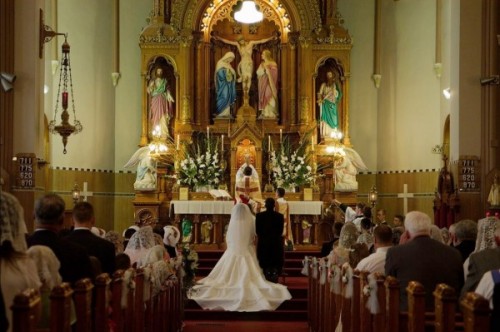
MARRIAGE

When marrying a non Catholic the marriage must be performed in a Catholic Church. Any
marriage performed by a non Catholic Clergy is not recognized by the Church as a valid
marriage.

A Catholic must seek permission from the local bishop to marry a non-Catholic. If the person
is a non-Catholic Christian, this permission is called a “permission to enter into a mixed
marriage”,

The permission is called a “dispensation from disparity of cult” and is a condition for the
validity of the marriage.

NO DIVORCE – In his preaching Jesus unequivocally taught the original meaning of the union
of man and woman as the Creator willed it from the beginning permission given by Moses to
divorce one’s wife was a concession to the hardness of hearts. The matrimonial union of man
and woman is indissoluble: God himself has determined it ‘what therefore God has joined
together, let no man put asunder’.

When marrying a non Catholic the Catholic Church requires that the children be baptized in a
Catholic Church and brought up in the Catholic religion.


more coming ……….

Mass

Mass


mass


MASS

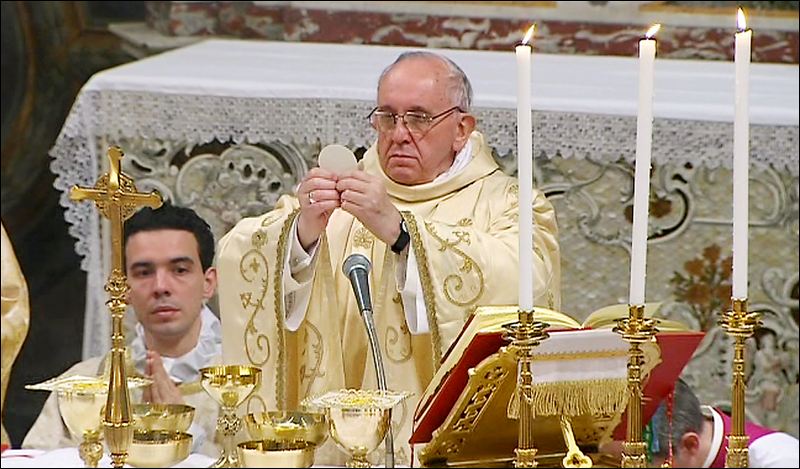
The ceremony of Mass is the changing of waffers and wine into Jesus’ flesh and blood, and
then distributing the waffers to the people so they can eat what is now Jesus. By eating
Jesus the person becomes more holy.

BELLS ARE RUNG AT HIGHLIGHT POINTS TO CONDITION PEOPLE THAT THIS
POINT OF THE MASS IS HOLY.

The Catholic Mass is the former old sacrament of the Mithraic “Taurobelia” of the divine
sacrifice and of the saving effect of blood.
 

THE CANON OF THE MASS

Te ígitur, clementíssime Pater, per
Jesum Christum Fílium tuum Dóminum
nostrum súpplices rogámus ac
pétimus (osculatur altare) uti accépta
hábeas, et benedícas (jungit manus,
deinde signat ter super oblata), hæc
dona, hæc múnera, hæc sancta
sacrifícia illibáta
(extensis manibus prosequitur):
in primis quæ tibi offérimus pro
Ecclésia tua sancta cathólica:
quam pacificáre, custodíre, adunáre, et
régere dignéris toto orbe terrárum, una
cum famulo tuo Papa nostro N. et
Antístite nostro N. et ómnibus
orthodóxis, atque cathólicæ et
apostólicæ fídei cultóribus.

Wherefore, O most merciful Father, we
humbly pray and beseech thee, through
Jesus Christ thy Son, our Lord (he kisses
the altar), that thou wouldst vouchsafe to
receive and bless (he joins his hands
together, and then makes the sign of the
cross thrice over the offerings) these
gifts, these offerings, this
holy and unblemished sacrifice (he
extends his hands and continues), which
in the first place we offer thee for thy holy
Catholic Church, that it may please thee to
grant her peace: as also to protect, unite,
and govern her throughout the world,
together with thy servant N., our Pope N.,
our bishop, as also all orthodox believers
who keep the catholic and apostolic faith.
The Commemoration for the living.

Meménto, Dómine, famulórum
famularúmque tuárum N. et N.

Be mindful, O Lord, of thy servants and
handmaids, N. and N.

He joins his hands, prays a little while for those he wishes to pray for, then with his hands
stretched out he continues:

Et ómnium circumstántium, quorum tibi
fides cógnita est, et nota devótio: pro
quibus tibi offérimus, vel qui tibi ófferunt
hoc sacrifícium laudis, pro se, suísque
ómnibus, pro redemptióne animárum
suárum, pro spe salútis et incolumitátis
suæ; tibíque reddunt vota sua ætérno
Deo, vivo et vero.

And of all here present, whose faith and
devotion are known unto thee; for whom
we offer, or who offer up to thee, this
sacrifice of praise for themselves and
theirs, for the redeeming of their souls,
for the hope of their safety and salvation,
and who pay their vows to thee, the
eternal, living, and true God.

Infra actionem.
Communicántes, et memóriam
venerántes, in primis gloriósæ semper
Vírginis Maríæ, genitrícis Dei et Dómini
nostri Jesu Christi: sed et beatórum
Apostolórum ac Mártyrum tuórum, Petri
et Pauli, Andréæ, Jacóbi, Joánnis,
Thomæ, Jacóbi, Philíppi, Bartholomæi,
Matthæi, Simónis et Thaddæi, Cleti,
Cleméntis, Xysti, Cornélii, Cypriáni,
Lauréntii, Chrysógoni, Joánnis et Pauli,
Cosmæ et Damiáni et ómnium
sanctórum tuórum: quorum méritis
precibúsque concédas, ut in ómnibus
protectiónis tuæ muniámur auxílio.
(Jungit manus.) Per eúmdem Christum
Dóminum nostrum. Amen.

Within the action.

Communicating, and reverencing the
memory first of the glorious Mary, ever
a virgin, Mother of our God and Lord
Jesus Christ; likewise of thy blessed
apostles and martyrs, Peter and Paul,
Andrew, James, John, Thomas, James,
Philip, Bartholomew,p. 466 Matthew,
Simon and Thaddeus; of Linus, Cletus,
Clement, Xystus, Cornelius, Cyprian,
Lawrence, Chrysogonus, john and Paul,
Cosmas and Damian, and of all thy
saints; by whose merits and prayers
grant that in all things we may be
guarded by thy protecting help. (He joins
his hands together.) Through the same
Christ our Lord. Amen.
With his hands spread over the offerings, he says:

Hanc ígitur oblatiónem servitútis
nostræ, sed et cunctæ famíliæ tuæ,
quæsumus Dómine, ut placátus
accípias, diésque nostros in tua pace
dispónas, atque ab ætérna damnatióne
nos éripi, et in electórum tuórum júbeas
grege numerári. (Jungitmanus.) Per
Christum Dóminum nostrum. Amen.
Quam oblatiónem tu, Deus, in ómnibus,
quæsumus,

We therefore beseech thee, O Lord, to be
appeased, and to receive this offering of
our bounden duty, as also of thy whole
household; order our days in thy peace;
grant that we be rescued from eternal
damnation and counted within the fold of
thine elect. (He joins his hands together.)
Through Christ our Lord. Amen.
Which offering do thou, O God, vouchsafe
in all things.

mass

He makes the sign of the cross three times over the offerings.
He makes the sign of the cross once over the host and once over the chalice.

ut nobis Corpus et San
guis fiat dilectíssimi Fílii tui Dómini
nostri Jesu Christi.
Qui prídie quam paterétur
(accipit hostiam), accépit panem in
sanctas ac venerábiles manus suas
(elevatoculos ad coelum), et elevátis
óculis in coelum, ad te Deum Patrem
suum omnipoténtem, tibi grátias agens,

that it may become for us the Body
and Blood of thy most beloved Son our Lord
Jesus Christ.
Who the day before he suffered took
bread (he takes the host) into his holy and
venerable hands (he raises p. 467 his
eyes to heaven), and with his eyes lifted
up to heaven, unto thee, God, his almighty
Father, giving thanks to thee,
He makes the sign of the cross over the host.

bene díxit, fregit, dedítque discípulis suis, dicens:
Accípite, et manducáte ex hoc omnes.

he blessed, brake, and gave to his disciples,
saying: Take and eat ye all of this,
Holding the host between the first fingers and thumbs of both hands, he says the words of
consecration, silently with clearness and attention, over the host, and at the same time over
all the other hosts, if several are to be consecrated.

Hoc est enim Corpus meum.

For this is my Body.

As soon as the words of consecration have been said, he kneels and adores the consecrated
host. He rises, shows it to the people, puts it on the corporal, and again adores. Then,
uncovering the chalice, he says:

Símili modo postquam coenátum est, In like manner, after he had supped,
He takes the chalice with both hands.
accípiens et hunc præclárum Cálicem in
sanctas ac venerábiles manus suas, item
tibi grátias agens,

taking also this excellent chalice into
his holy and adorable hands; also
giving thanks to thee,
Holding the chalice with his left hand, he makes the sign of the cross over it with his right.

benedíxit, dedítque discípulis suis, dicens:
Accípite, et bíbite ex eo omnes:

he blessed
, and gave it to his disciples, saying:
Take, and drink ye all of this;
He utters the words of consecration over the chalice silently, attentively, carefully, and
without pausing, holding it slightly raised.
Hic est enim Calix Sánguinis mei, novi
et ætérni testaménti; mystérium fidei:
qui pro vobis et pro multis effundétur
in remissiónem peccatórum.


For this is the Chalice of my Blood, of the
new and eternal testament; the mystery of
faith: which shall be shed for you and for
many unto the remission of sins.
As soon as the words of consecration have been said, he puts the chalice on the corporal,
and says silently:


Hæc quotiescúmque fecéritis, in
mei memóriam faciétis.


As often as ye shall do these things, ye shall
do them in memory of me.


He kneels and adores; then rises, shows it to the people, puts it down, covers it, and again
adores. Then holding his hands apart, he says:


Unde et mémores, Dómine, nos servi
tui, sed et plebs tua sancta, ejúsdem
Christi Fílii tui Dómini nostri, tam beatæ
passiónis, necnon et ab ínferis
resurrectiónis, sed et in coelos gloriósæ
ascensiónis: offérimus præcláræ
majestáti tuæ de tuis donis ac datis,


Wherefore, O Lord, we thy servants, as
also thy holy people, calling to mind the
blessed passion of the same Christ thy
Son our Lord, and also his rising up from
hell, and his glorious ascension into
heaven, do offer unto thy most excellent
majesty, of thine own gifts bestowed upon
us,


He joins his hands and makes the sign of the cross three times over the host and chalice
together.
He makes the sign of the cross once over the host and once over the chalice.
He continues with his hands stretched out:


Supra quæ propítio ac seréno vultu
respícere dignéris: et accépta habére,
sícuti accépta habére dignátus es
múnera púeri tui justi Abel, et
sacrifícium patriárchæ nostri Ábrahæ,
et quod tibi óbtulit summus sacérdos
tuus Melchísedech sanctum
sacrifícium, immaculátam hóstiam.


Upon which do thou vouchsafe to look with
a propitious and serene countenance, and
to accept them, as thou wert graciously
pleased to accept the gifts of thy just
servant Abel, and the sacrifice of our
patriarch Abraham, and that which thy high
priest Melchisedech offered to thee, a holy
sacrifice, a spotless victim.


Bowing low with his hands joined together and then laid on the altar, he says:


Súpplices te rogámus, omnípotens
Deus: jube hæc perférri per manus
sancti Ángeli tui in sublíme altáre
tuum, in conspéctu divínæ majestátis
tuæ: ut quotquot (osculatur altare), ex
hac altáris participatióne,
sacrosánctum Fílii tui,


We most humbly beseech thee, almighty
God, to command that these things be
borne by the hands of thy holy angel to
thine altar On high, in the sight of thy
divine majesty, that as many of us (he
kisses the altar) as, at this altar, shall
partake of and receive the


He joins his hands together and makes the sign of the cross over the host and once over the
chalice.


The Commemoration for the dead.


Meménto étiam, Dómine, famulórum
famularúmque tuárum N. et N. qui nos
præcessérunt cum signo fídei, et
dórmiunt in somno pacis.


Be mindful, O Lord, of thy servants and
handmaidsN. and N., who are gone
before us, with the sign of faith, and
sleep in the sleep of peace.
He joins his hands, prays a little while for those dead whom he means to pray for, then with
his hands stretched out, continues:


Ipsis, Dómine, et ómnibus in Christo
quiescéntibus, locum refrigérii, lucis et
pacis, ut indúlgeas, deprecámur.


To these, O Lord, and to all that rest in
Christ, we beseech thee, grant a place of
refreshment, light, and peace.


He joins his hands together, and bows his head.


Per eúmdem Christum Dóminum nostrum.
Amen.


Through the same Christ our Lord.
Amen.


He strikes his breast with his right hand, and slightly raising his voice, says:


Nobis quoque peccatóribus, fámulis tuis,
de multitúdine miseratiónum tuárum
sperántibus, partem áliquam et
societátem donáre dignéris, cum tuis
sanctis Apóstolis et Martyribus: cum
Joánne, Stéphano, Mathía, Bárnaba,
Ignátio, Alexándro, Marcellíno, Petro,
Felicitáte, Perpétua, Ágatha, Lúcia,
Agnéte, Cæcília, Anastásia, et ómnibus
sanctis tuis; intra quorum nos
consórtium, non æstimátor mériti, sed
véniæ, quæsumus, largítor admítte. Per
Christum Dóminum nostrum. Per quem
hæc ómnia, Dómine, semper bona creas,
sanctíficas, vivíficas, benedícis, et
præstas nobis.

To us sinners, also, thy servants,
hoping in the multitude of thy mercies,
vouchsafe to grant some part and
fellowship with thy holy apostles and
martyrs: with John, Stephen, Matthias,
Barnabas, Ignatius, Alexander,
Marcellinus, Peter, Felicity, Perpetua,
Agatha, Lucy, Agnes, Cecily, Anastasia,
and with all thy saints, into whose
company we pray thee admit us, not
considering our merit, but of thine own
free pardon. Through Christ our Lord;p.
470 through whom, O Lord, thou dost
create, hallow, quicken, and bless these
thine ever-bountiful gifts and give them,
to us.


He uncovers the chalice, kneels, takes the blessed sacrament in his right hand, and holding
the chalice in his left, makes the sign of the cross three times over it from lip to lip, saying:

He makes the sign of the cross twice between the chalice and his breast.
Lifting up the chalice a little with the host, he says:


omnis honor et glória. all honour and glory.
He puts back the host, covers the chalice, kneels, rises, and sings or reads:


Per ómnia sæcula sæculórum. R.
Amen.
Orémus. Præcéptis salutáribus
móniti, et divína institutióne
formáti, audémus dícere:


For ever and ever. R. Amen.
Let us pray. Taught by the precepts of
salvation, and following the divine
commandment, we make bold to say:
He stretches out his hands.


Pater noster, qui es in coelis, sanctificétur
nomen tuum: advéniat regnum tuum: fiat
volúntas tua, sicut in coelo et in terra
panem nostrum quotidiánum da nobis
hódie; et dímitte nobis débita nostra, sicut
et nos dimíttimus debitóribus nostris: et ne
nos indúcas in tentatiónem.
R. Sed líbera nos a malo.


Our Father, who art in heaven,
hallowed be thy name: thy kingdom
come; thy will be done on earth as it is
in heaven. Give us this day our daily
bread: and forgive us our trespasses,
as we forgive them that trespass
against us. And lead us not into
temptation.
R. But deliver us from evil.


The priest says, Amen. He takes the paten between his first and middle finger, and says:

Líbera nos, quæsumus Dómine, ab
ómnibus malis prætéritis, præséntibus,
et futúris, et intercedénte beáta et
gloriósa semper Vírgine Dei genitríce
María, cum beátis Apóstolis tuis Petro
et Paulo, atque Andréa, et ómnibus
sanctis,

Deliver us, we beseech thee, O Lord, from
all evils, past, present, and to come; and
by the intercession of the blessed and
glorious, Mary ever virgin, Mother of God,
together with thy blessed apostles Peter
and Paul, and Andrew, and all the saints,
He makes the sign of the cross with the paten from his forehead to his breast and kisses it.

da propítius pacem in diébus nostris: ut
ope misericórdiæ tuæ adjúti, et a peccáto
simus semper líberi, et ab omni
perturbatióne secúri.


mercifully grant peace in our days: that
through the help of thy mercy we may
always be free from sin, and safe from
all trouble.


He puts the paten under the host, uncovers the chalice, kneels, rises, takes the host and
breaks it in half over the chalice, saying:


Per eúmdem Dóminum nostrum Jesum
Christum Fílium tuum,


Through the same Jesus Christ thy
Son our Lord,


He puts the portion that is in his right hand on to the paten; he then breaks off a small piece
from the portion which is in his left hand, saying:


qui tecum vivit et regnat in unitáte
Spíritus sancti Deus.


who liveth and reigneth with thee in the unity
of the Holy Ghost, one God.


He puts the other half with his left hand on to the paten, and holding the particle over the
chalice in his right hand, and the chalice with his left, he says:


Per ómnia sæcula sæculórum. R. Amen. For ever and ever. R. Amen.


He makes the sign of the cross three times over the chalice with the particle of the host,
saying:


Pax
Dómini sit
semper vobíscum.
R. Et cum spíritu
tuo.


The peace of the Lord be
always with
you.
R. And with thy spirit.
He puts the particle into the chalice, saying silently:


Hæc commíxtio et consecrátio Córporis
et Sánguinis Dómini nostri Jesu Christi,
fiat accipiéntibus nobis in vitam
ætérnam. Amen.


May this mingling and hallowing of the
Body and Blood of our Lord Jesus Christ
avail us that receive it unto life
everlasting. Amen.

He covers the chalice, kneels, rises, and bowing before the blessed Sacrament, with his
hands joined together and striking his breast three times, says:

Agnus Dei, qui tollis peccáta mundi,
miserére nobis.
Agnus Dei, qui tollis peccáta mundi,
miserére nobis.
Agnus Dei, qui tollis peccáta mundi,
dona nobis pacem.

Lamb of God, who takest away the sins of the
world, have mercy on us.
Lamb of God, who takest away the sins of the
world, have mercy on us.
Lamb of God, who takest away the sins of the
world, grant us peace.
At mass for the dead, instead of saying: miserére nobis, he says: dona eis réquiem, rest. And
the third time he adds, sempitérnam, everlasting.
Then with his hands joined together above the altar he bows down and says the following
prayers:

Dómine Jesu Christe, qui dixísti
Apóstolis tuis: Pacem relínquo vobis,
pacem meam do vobis: ne respícias
peccáta mea, sed fidem Eccelésiæ tuæ:
eámque secúndum voluntátem tuam
pacificáre et coaduráre dignéris. Qui vivis
et regnas Deus, per ómnia sæcula
sæculórum. Amen.

O Lord Jesus Christ, who didst say to
thy apostles, Peace I leave with you, my
peace I give unto you; look not upon my
sins, but upon the faith of thy Church;
and vouchsafe to her that peace and
unity which is agreeable to thy will; who
livest and reignest God for ever and
ever. Amen.
If the kiss of peace is to be given, the priest kisses the altar, and giving the kiss of peace,
says:


Pax tecum.
R. Et cum spíritu tuo.


Peace be with you.
R. And with thy spirit.


At masses for the dead the kiss of peace is not given, neither is the above prayer said.

Dómine Jesu Christe, Fili Dei vivi, qui
ex voluntáte Patris, cooperánte Spíritu
sancto, per mortem tuam mundum
vivificásti: líbera me per hoc
sacrosánctum Corpus et Sánguinem
tuum, ab ómnibus iniquitátibus meis,
et univérsis malis, et fac me tuis
semper inhærére mandátis, et a te
numquam separári permíttas. Qui cum
eódem Deo Patre et Spíritu sancto
vivis et regnas Deus in sæcula
sæculórum. Amen.
Percéptio Córporis tui, Dómine Jesu
Christe, quod ego indígnus súmere
præsúmo, non mihi provéniat in
judícium et condemnatiónem: sed pro
tua pietáte prosit mihi ad tutaméntum
mentis et córporis, et ad medélam
percipiéndam. Qui vivis et regnas cum
Deo Patre in unitáte Spíritus sancti
Deus, per ómnia sæcula sæculórum.
Amen.

O Lord Jesus Christ, Son of the living God,
who, according to the will of thy Father,
through the co-operation of the Holy
Ghost, hast by thy death given life to the
world, deliver me by this, thy most holy
Body and Blood, from all my iniquities and
from every evil; and make me always
cleave to thy commandments, and never
suffer p. 473 me to be separated from
thee; who with the same God the Father
and Holy Ghost livest and reignest God for
ever and ever. Amen.
Let not the receiving of thy Body, O Lord
Jesus Christ, which I, all unworthy
presume to take, turn to my judgement and
damnation: but through thy lovingkindness
may it avail me for a safeguard
and remedy, both of soul and body. Who
with God the Father, in the unity of the Holy
Ghost, livest and reignest God for ever and
ever. Amen.


The priest kneels down, rises, and says:


Panem coeléstem accípiam, et
nomen Dómini invocábo.


I will take the Bread of heaven, and call
upon the name of the Lord.
Then, bowing a little, he takes both parts of the host with the thumb and first finger of his left
hand, and the paten between his first and middle finger. He strikes his breast with his right
hand, and, slightly raising his voice, says three times reverently and humbly:


Dómine, non sum dignus, ut intres sub
tectum meum: sed tantum dic verbo, et
sanábitur ánima mea.


Lord, I am not worthy that thou shouldst
enter under my roof; say but the word,
and my soul shall be healed.
He makes the sign of the cross with the host in his right hand over the paten, and says:


Corpus Dómini nostri Jesu Christi
custódiat ánimam meam in vitam
ætérnam. Amen.


May the Body of our Lord Jesus Christ
preserve my soul unto life everlasting.
Amen.

He receives both portions of the host reverently, joins his hands together, and remains for a
little while quietly meditating on the most holy Sacrament. Then he uncovers the chalice,
kneels, gathers up the crumbs, if there are any, and wipes the paten above the chalice, whilst
he says:


Quid retríbuam Dómino pro ómnibus,
quæ retríbuit mihi? Cálicem salutáris
accípiam, et nomen Dómini
invocábo. Laudans invocábo
Dóminum, et ab inimícis meis salvus
ero.


What return shall I make to the Lord for all he
hath given unto me? I will take the Chalice of
salvation,p. 474 and call upon the name of
the Lord. Praising I will call upon the Lord,
and I shall be saved from my enemies.
He takes the chalice into his right hand, and making the sign of the cross on himself with it,
he says:


Sanguis Dómini nostri Jesu Christi
custódiat ánimam meam in vitam
ætérnam. Amen.


May the Blood of our Lord Jesus Christ
keep my soul unto life everlasting,
Amen.
He receives the precious blood with the particle. Then, if there are any communicants, he
should give them communion before purifying. Afterwards he says:


Quod ore súmpsimus, Dómine,
pura mente capiámus; et de
múnere temporáli fiat nobis
remédium sempitérnum.


Grant, Lord, that what we have taken with our
mouth we may receive with a pure mind; and
that from a temporal gift it may become for us
an eternal remedy.
Meanwhile he passes the chalice to the server, who pours into a little wine, with which he
cleanses his fingers; then he continues:


Corpus tuum, Dómine, quod sumpsi, et
Sanguis quem potávi, adhæreat
viscéribus meis: et præsta; ut in me non
remáneat scélerum mácula, quem pura
et sancta refecérunt sacraménta. Qui
vivis et regnas in sæcula sæculórum.
Amen.


May thy Body, O Lord, which I have
received, and thy Blood which I have
drunk, cleave to my bowels; and grant
that no stain of sin may remain in me,
whom thy pure and holy sacraments have
refreshed; who livest and reignest world
without end. Amen.


He washes his fingers, wipes them, and takes the ablution; he wipes his mouth and the
chalice, which he covers, and after folding up the corporal, arranges it on the altar as before.
Then he continues mass. After the last Postcommunion the priest says:


Dóminus vobíscum.
R. Et cum spíritu tuo.


The Lord be with you.
R. And with thy spirit.
Then either:


Ite, missa est. Go, you are dismissed.


or, according to what mass is being said:


Benedicámus Dómino.
R. Deo grátias.


Let us bless the Lord.
R. Thanks be to God.
At mass for the dead, he says:


Requiéscant in pace.
R. Amen.
May they rest in peace.
R. Amen.

After saying, Ite missa est or Benedicámus Dómino, the priest bows down at the middle of the
altar, and with his hands joined above it, says:


Pláceat tibi, sancta Trínitas,
obséquium servitútis meæ: et præsta;
ut sacrifícium quod óculis tuæ
majestátis indígnus óbtuli, tibi sit
acceptábile, mihíque, et ómnibus pro
quibus illud óbtuli, sit, te miseránte,
propitiábile. Per Christum Dóminum
nostrum. Amen.


May the homage of my service be pleasing
to thee, O holy Trinity; and grant that the
sacrifice which I, though unworthy, have
offered in the sight of thy majesty, may be
acceptable to thee: and through thy mercy
win forgiveness for me and for all those for
whom I have offered it. Through Christ our
Lord. Amen.


Then he kisses the altar, and raising his eyes upward, stretching out, lifting up, and joining his
hands, bowing his head before the cross, he says:


Benedícat vos omnípotens Deus, May God almighty bless you,
and turning towards the people, he blesses them once only, even at high mass, and
continues:

Pater, et Fílius
et Spíritus sanctus. R. Amen.


Father, and Son and Holy
Ghost. R. Amen.


At a bishop’s mass a triple blessing is given. At mass for the dead no blessing is given.
Then at the Gospel corner, after saying Dóminus vobíscum, and Inítium or Sequéntia sancti
Evangélii, and making the sign of the cross on the altar, or on the book and on himself as at
the Gospel in the mass, he reads the Gospel of St. John, as below, or another Gospel as
appointed.

Inítium sancti Evangélii secúndum
Joánnem. R. Glória tibi, Dómine.
In princípio erat Verbum, et Verbum
erat apud Deum, et Deus erat Verbum.
Hoc erat in princípio apud Deum.
Ómnia per ipsum facta sunt, et sine
ipso factum est nihil quod factum est.
In ipso vita erat, et vita erat lux
hóminum, et lux in ténebris lucet, et
ténebræ eam non comprehendérunt.
Fuit homo missus a Deo, cui nomen
erat Joánnes. Hic venit in testimónium,
ut testimónium perhibéret de lúmine, ut
omnes créderent per illum. Non erat
ille lux, sed ut testimónium perhibéret
de lúmine. Erat lux vera quæ illúminat
omnem hóminem veniéntem in hunc
mundum. In mundo erat, et mundus per
ipsum factus est, et mundus eum non
cognóvit. In própria venit, et sui eum
non recepérunt; quotquot autem
recepérunt eum, dedit eis potestátem
fílios Dei fíeri; his qui credunt in nómine
ejus, qui non ex sanguínibus, neque ex
voluntáte carnis, neque ex voluntáte
viri, sed ex Deo nati sunt. (Hic
genuflectitur.) Et verbum caro factum
est, et habitávit in nobis: et vídimus
glóriam ejus, glóriam quasi Unigéniti a
Patre, plenum grátiæ et veritátis.
R. Deo grátias.


The beginning of the holy Gospel
according to St. John. R. Glory be to thee,
O Lord.
In the beginning was the Word, and the
Word was with God, and the Word was
God: the same was in the beginning with
God. All things were made by him, and
without him was made nothing that was
made: in him was life, and the life was the
light of men; and the light shineth in
darkness, and the darkness did not
comprehend p. 476 it. There was a man
sent from God, whose name was John.
This man came for a witness to give
testimony of the light, that all men might
believe through him. He was not the light,
but was to give testimony of the light, that
was the true light which enlighteneth every
man that cometh into this world. He was
in the world, and the world was made by
him, and the world knew him not. He
came unto his own, and his own received
him not. But as many as received him, he
gave them power to become the sons of
God: to them that believe in his name, who
are born not of blood, nor of the will of the
flesh, nor of the will of man, but of
God. And the Word was made flesh (here
the people kneel down), and dwelt among
us; and we saw his glory, the glory as it
were of the only-begotten of the Father,
full of grace and truth.
R. Thanks be to God.


While leaving the altar the priest says silently the antiphon Trium puerórum, &c.
 

RITUALS

Confirmation

Confirmation


confirmation


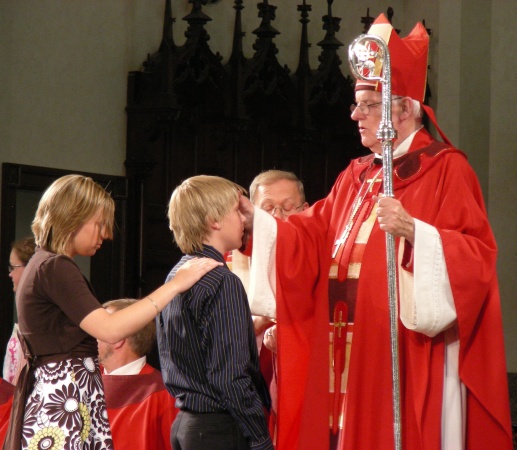
CONFIRMATION

confirmation

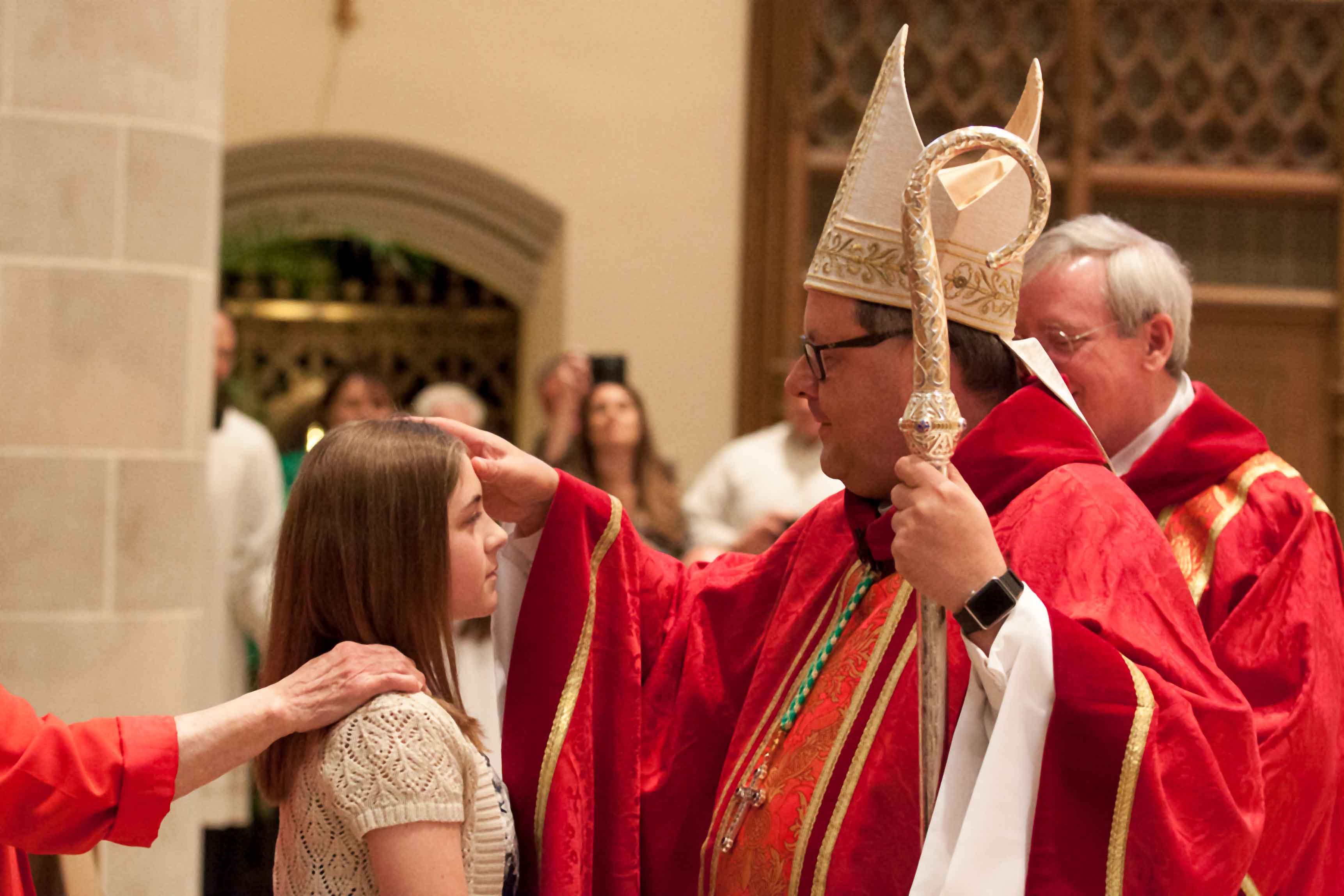
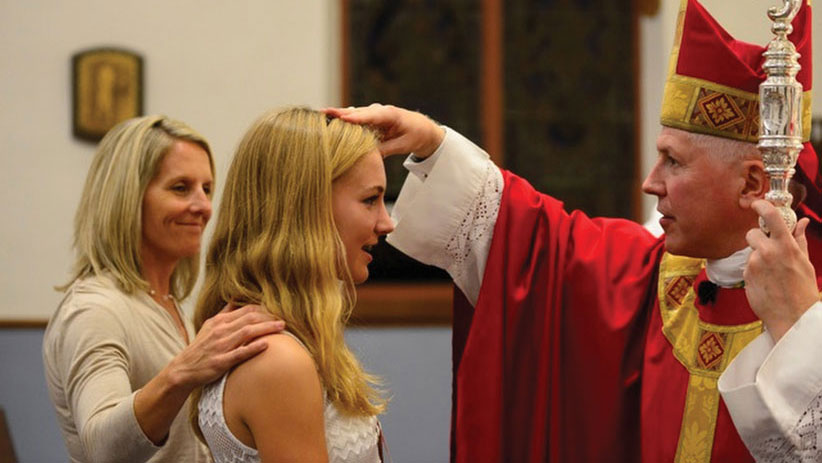
BISHOP DIALOGUE AT CONFIRMATION SACRAMENT

Bishop: Dear brethren, through the Paschal Mystery we have been buried with Christ in
Baptism, that we may walk with him in newness of life. And so, let us renew the promises of
Holy Baptism, which we once renounced Satan and his works and promised to serve God in
the holy Catholic Church.

And so I ask you:

Bishop: Do you renounce Satan? R. I do.

Bishop: And all his works? R. I do.

Bishop: And all his empty show? R. I do.

OR:

Bishop: Do you renounce sin, so as to live in the freedom of the children of God? R. I do.

Bishop: Do you renounce the lure of evil, so that sin may have no mastery over you? R. I do.

Bishop: Do you renounce Satan, the author and prince of sin? R. I do.

Bishop: Do you believe in God, the Father Almighty, Creator of heaven and earth? R. I do.

Bishop: Do you believe in Jesus Christ, his only Son, our Lord, who was born of the Virgin
Mary, suffered death and was buried, rose again from the dead and is seated at the right hand
of the Father? R. I do.

Bishop: Do you believe in the Holy Spirit, the holy Catholic church, the communion of saints,
the forgiveness of sins, the resurrection of the body, and life everlasting? R. I do.

Bishop: And may almighty God, the Father of our Lord Jesus Christ, who has given us new
birth by water and the Holy Spirit and bestowed on us forgiveness of our sins, keep us by his
grace, in Christ Jesus our Lord, for eternal life.

R. Amen.

SOUND FAMILIAR?

These are the same lines said by Michael Corleone at Connie’s baby’s Baptism in the movie
Godfather … right after he had many men murdered.

confirmation

Communion

Communion


communion


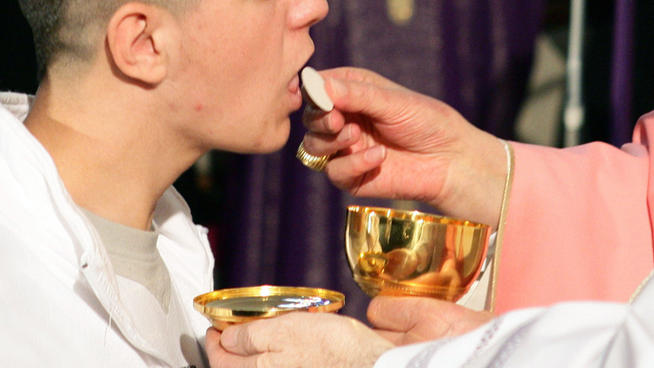
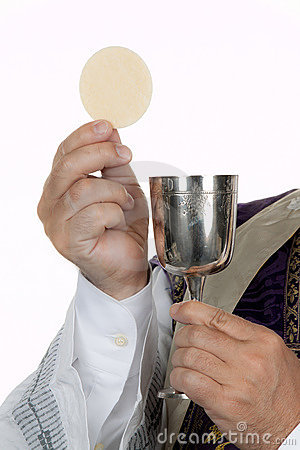
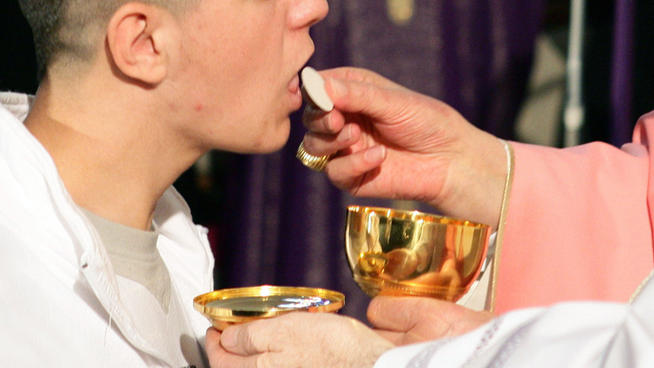
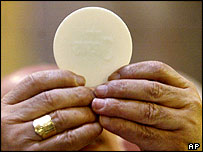
COMMUNION IS — THE EATING OF THE BODY AND BLOOD OF
JESUS (CANNIBALISM)

GOD COMES DOWN FROM HEAVEN … AND INTO A WAFER.

The Catholic priest is a magician who changes a wafer into the body of Jesus (the god in the
flesh). Wow…….What special powers he has. And be sure to call him “Father” even though he
has no offspring and you certainly hope he doesn’t mean he is your biological father. Calling
him father will help you psychologically to follow him wholeheartedly and do whatever he
says and not think about the content of what he is saying. Eat the body of Jesus…..then you
will be holy. Holy means you will obtain God like qualities because of the eating of Jesus.
And when the Christians eat Jesus, since the wafer that is now Jesus’s body, …… doesn’t that
make everyone that does this practice a cannibal???

Oh and don’t forget, the priest, excuse me, the “father”, changes the wine into Jesus’s blood.

I used to play like that when i was in grade school. I’d tell my playmates that i’m going to eat a
piece of candy then I’ll become Hercules. Then after I ate it I’d act like I was so strong. I
stopped playing like that somewhere around the second grade.

Most pagan religions have a ceremony of eating and drinking something, generally bread and
wine.
communion

LET’S EAT JESUS!
TAKE EAT. THIS IS MY BODY.

And as they were eating, Jesus took bread, and blessed it, and brake it, and gave it to the disciples,
and said, Take, eat; this is my body. Matt 26:26
 

communion
communion

This pagan origin has been recognized for centuries prior to the Christian eta. It is a very old
pagan rite that is professed to be new.

It did not originate with Jesus. In the old testament Melchisedek king od salem, brought forth
bread and wine Gen 19:18. He was a priest of the most high God. There is no record of that
time that there was a king or priest by that name. Eupolemus (vol i Pg 39) tells us that the
temple of Malchisedek was in fact the temple of Jupiter, the same temple where Pythagoras
studied philosophy. Some writers equate the name Malchisedek with Molok the God of War.
In these cultures ceremonies of bread and wine were common.

The Christian writer Mr. Faber admits the offering ceremony existed long before Jesus and
states, “The devil led the heathen to anticipate Christ with respect to several, as the mysteries
of the Eucharist, etc.” St. Justin chimes in with “And this very solemnity the evil spirit
introduced into the mysteries of Mythra” (Reeves, Justin, pg 86).

It is well known that the religions that openly practiced this rite were the Essens, Persians Pythagoreans, Gnostics, Brahmins, and Mexicans. Tibullus said (Memoirs, Mr. Marolles, pg
215), “The pagan appeased the divinity with holy bread.” Tibullus in a panegyric on Marcella
wrote, “A little cake, a little morsel of bread, appeased the divinities.”

This ceremony started originated with animal sacrifices to appease the angry Gods for the
wrath imposed upon them. It evolved to a feast of bread and wine. A feast similar to the last
supper feast was celebrated in the same manner during those times celebrating the passage
of the sun across the equinox of spring.


President at Catholic communion in South Africa (he isn’t Catholic).

communion

The question is, “ How can a man be so stupid to think that the bread he eats is God?”
The Brahmins has a similar ceremony where they would eat something similar to a eucharist
called prajadam. Ceres, the goddess of corn, gave her flesh to eat. Bacchus, the God of wine,
gave his blood to drink. Mr. Grover writes what many other known Christian writers have
written, “In the sacrament of the altar are the natural body and blood of Christ verily and
indeed.”

The Persians, Pythagoreans, Essenes, and Gnostics used water instead of wine in their
worship ceremonies. It was objectionable to others that the Christians used wine luring their
unsuspecting initiates with much intoxication.
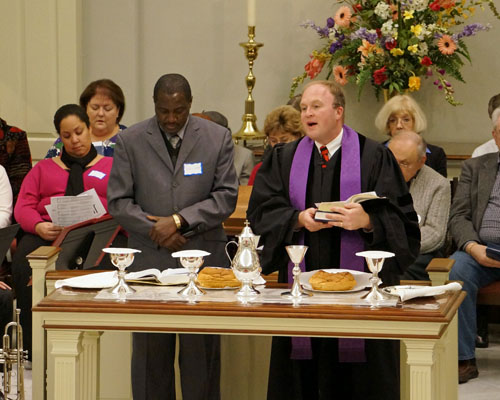
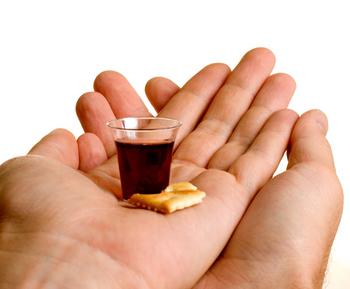
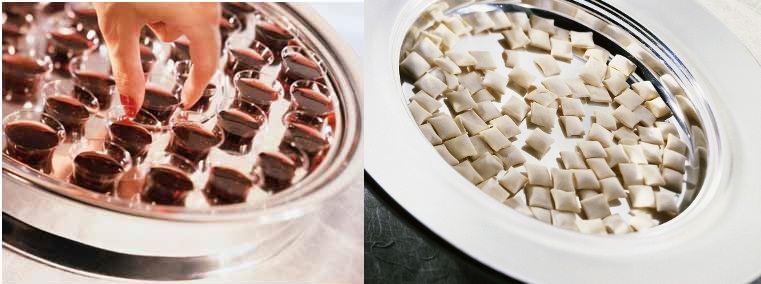
Protestants Follow the Catholics … as usual …

communion
communion