Bali

Bali of Afghanistan Corisa  -  CRUCIFIED

Bali of Afghanistan Corisa  -  CRUCIFIED

 725 BCE

The listing of Bali of Afghanistan/Orissa as a crucified savior originates directly from 19th-century comparative mythicist literature—specifically Godfrey Higgins’ Anacalypsis (1836, Vol. I, p. 257) and Kersey Graves’ The World’s Sixteen Crucified Saviors (1875).


In authentic Hindu scripture (the Bhagavata Purana, Vishnu Purana, and Mahabharata), Mahabali is a revered, righteous king (Asura Chakravarti) who surrendered the three worlds to Vamana (the dwarf avatar of Vishnu) and was granted rule over the subterranean realm (Sutala). He was never crucified, executed, or regarded as a martyred sin-bearer.


Profile & Specific Attributes

  • Timeline & Dates:


    • Claimed Mythicist Date: Active around 725 BCE.


    • Puranic Chronology: Set in the Treta Yuga (mythological deep time). The city of Mahabalipuram (Mamallapuram in Tamil Nadu, India) contains 7th- and 8th-century CE Pallava dynasty monuments, which 19th-century writers erroneously dated to pre-antiquity.


  • Calendar Date of Birth:


    • No specific calendar day (like December 25) exists. Celebrated in southern India during the harvest festival of Onam (Chingam month, August/September) and Balipratipada during Diwali (October/November).


  • Manner of Departure & Age:


    • Claimed Manner: Crucified as an atoning sacrifice and referred to as "Lord Second."


    • Scriptural Account: Bali did not die violently. When Vamana expanded into Trivikrama and measured the earth and heavens in two strides, Bali offered his own head for the third stride. Pleased with his devotion and humility, Vishnu pushed him down to rule Sutala (a blessed subterranean realm), granting him immortality and the status of the future Indra in the next cosmic cycle (Manvantara).


  • Geographical Locations:


    • Higgins and Graves confused multiple locations: combining Afghanistan, Orissa (eastern India), and Mahabalipuram (southern India). In Hindu traditions, his reign is associated with the ancient Narmada River basin and the Malabar coast (Kerala).


Theological & Doctrinal Details

Category19th-Century Mythicist Claim (Higgins/Graves)Authentic Puranic & Epigraphic Record
Virgin BirthCataloged among miraculous, virgin-born savior gods.Born biologically to King Virochana and his wife Devamba; grandson of the devotee Prahlada.
CrucifixionClaimed to have been crucified as a sin offering.Never crucified or executed; remained alive and crowned ruler of Sutala.
Salvation / AtonementDied to atone for human sins and save the race.Embodies total self-surrender (Atma-Nivedanam) and dharma, rather than vicarious sin-atonement.
Descent & AscentDescended into hell and resurrected.Descended peacefully to the subterranean paradise of Sutala with Lord Vishnu as his eternal gatekeeper.
Title: "Son of God"Titled "Lord Second" and savior god of a trinity.Titled Mahabali, Bali Chakravarti, and Dharmika Raja (Righteous King).
Alternate NamesBaliu, Bel, Bali of Corisa.Conflated by Higgins with the Semitic god Bel/Baal and Mesopotamian deities due to speculative 19th-century etymologies.
Part of a TrinitySecond person of an Indian trinity.King Bali is a mortal/Asura devotee of Vishnu, not a member of the Hindu Trimurti (Brahma-Vishnu-Shiva).
Judgment in HeavenWill judge souls in the afterlife.Does not judge souls; soul judgment in Hinduism belongs to Yamaraja. Bali is destined to become the ruler of the gods (Indra) in the eighth Manvantara.

Visual Iconography & Worship

  • Visual Depiction:


    • Classical Indian sculpture depicts King Bali holding a ceremonial water pot (kamandalu) to solemnize his gift to Vamana, or bowing with folded hands beneath the upraised foot of the giant Trivikrama.


  • Worship & Festival:


    • During the annual Onam festival in Kerala, elaborate floral carpets (Pookkalam) and feasts (Onasadya) welcome Bali’s spirit back to inspect the prosperity of his subjects.


    • During Balipratipada across Maharashtra and Gujarat, devotees build effigies of Bali to celebrate his boundless charity and righteous governance.

Hesus

Hesus or Eros, and Bremrillahm, of the Keltic Druids  -  CRUCIFIED

Hesus or Eros, and Bremrillahm, of the Keltic Druids  -  CRUCIFIED

 834 BCE

Hesus

The listing of Hesus (Esus) alongside Eros and Bremrillahm as Druidic crucified saviors comes directly from 19th-century comparative mythicist catalogs—primarily Godfrey Higgins’ Anacalypsis (1836) and Kersey Graves’ The World’s Sixteen Crucified Saviors (1875).

In authentic Celtic archaeology, epigraphy, and classical Roman records, Esus was a Gaulish god of vegetation and sacred groves, while "Bremrillahm" is a 19th-century speculative conflation of Brahma/Abraham, and "Eros" is the Greek god of love.

Profile & Biographical Claims

  • Timeline & Dates:

    • Mythicist Claim: Active ~834 BCE among the Druids of Gaul and Britain.

    • Historical Reality: Historically attested in Gallo-Roman inscriptions from the 1st century BCE through the 1st century CE.

  • Date of Birth & Age at Death:

    • Claim: No specific calendar day (such as December 25) or age at death is documented in any surviving Celtic myth or classical commentary.

  • Geographical Locations:

    • Gaul (modern France, western Germany, Switzerland) and parts of the British Isles. The "Canutes of Gaul" cited by Higgins/Graves is a textual corruption of the Carnutes, a prominent central Gaulish tribe whose forest territory was identified by Julius Caesar as the central gathering place of the Druidic order.

  • Manner of Death & Execution:

    • Claim: Crucified on a tree as a sin offering between an elephant and a lamb.

    • Classical Account: The 1st-century Roman poet Lucan (Pharsalia) and the Bern Scholia note that human victims dedicated to Esus were suspended from trees and ritually bled to death. Higgins and Graves inverted this rite, claiming the god himself was crucified.

Theological & Doctrinal Details

Category19th-Century Mythicist Claim (Graves/Higgins)Authentic Celtic Epigraphy & Classical Records
Virgin BirthCataloged as a virgin-born savior deity.No birth parentage or virgin birth narratives exist in surviving Gaulish records.
CrucifixionCrucified on a cross/tree as an atoning sacrifice.Not crucified; victims were sacrificed to him in sacred groves.
Salvation / AtonementDied to take away the sins of the world.Celtic religion possessed no doctrine of original sin or universal vicarious atonement.
Resurrection & DescentDescended to the underworld, resurrected, and ascended.No death-and-resurrection myth is attested for Esus in Gaulish archaeology.
Title: "Son of God"Replaced and titled as the Druid "Son of God" / "Lord."Linguistically derived from Proto-Celtic *Esus (from PIE *h₁eis-, meaning "vigor," "passion," or "master").
Alternate NamesHesus, Aisus, Eros, Bremrillahm.Inscribed solely as Esus or Aisus in Gallo-Roman stone dedications.
Part of a TrinitySecond person of a Druidic trinitarian godhead.Mentioned by Lucan alongside Teutates and Taranis as three major Gaulish deities, not a unified trinity.
Judgment in HeavenPresides as the supreme judge of mankind in the afterlife.Druids taught the transmigration of souls (Metempsychosis), but no individual heavenly judgment by Esus is recorded.

Iconography and the Brechin Tower

  • The Brechin Round Tower:

    • The round tower at Brechin Cathedral (Angus, Scotland) is a medieval Christian structure constructed around 1000–1100 CE.

    • The doorway relief depicts standard Christian iconography: Christ on the Cross flanked by the Virgin Mary, St. John, two ecclesiastics, the Agnus Dei (Lamb of God), and a stylized beast (a Pictish sea beast/boar). 19th-century antiquarians mistakenly claimed this medieval tower was an ancient Druid fire-temple and misidentified the stylized quadruped as an "elephant" bearing the sins of the world.

  • Authentic Appearance of Esus:

    • The primary verified depiction of Esus exists on the Pillar of the Boatmen (Pilier des nautes, 1st century CE, Paris). He is carved as a bearded woodsman wearing a sleeveless tunic, wielding a pruning hook or axe against a sacred willow tree next to the bull-and-birds motif (Tarvos Trigaranus).

Tammuz

Tammuz of Syria and Babylon  -  CRUCIFIED

Tammuz of Syria and Babylon  -  CRUCIFIED

 1160 BCE

The account of Tammuz (Sumerian: Dumuzi) as a crucified savior who died for human salvation stems from 18th- and 19th-century comparative mythicists—chiefly Godfrey Higgins (Anacalypsis, 1836), Kersey Graves (The World’s Sixteen Crucified Saviors, 1875), and John Parkhurst’s Hebrew Lexicon (1762).

In authentic Mesopotamian cuneiform tablets and Near Eastern history, Tammuz was a Sumerian and Akkadian god of fertility, shepherds, and vegetation whose seasonal descent to the underworld explained the dry summer death and spring rebirth of agricultural crops.

Profile & Biographical Claims

  • Timeline & Dates:

    • Mythicist Claim: Active around 1160 BCE.

    • Cuneiform & Historical Record: Cult records date back to early Dynastic Sumer (~2800 BCE) in cities like Uruk and Bad-tibira, continuing uninterrupted through the Babylonian, Assyrian, and Levantine periods until roughly the 4th century CE.

  • Date of Birth:

    • No specific calendar birth date (such as December 25) exists in ancient tablets.

  • Manner of Death, Cause & Who Killed Him:

    • Claim: Crucified on a tree as a sin offering to appease God.

    • Primary Myth (Inanna’s Descent): After the goddess Inanna/Ishtar escaped the underworld (Kur), underworld demons (galla) demanded a substitute. Finding Dumuzi feasting on a throne instead of mourning her, Inanna handed him over. Dumuzi fled, was transformed into a snake by the sun god Utu, but was eventually caught, beaten, and dragged down to the underworld by demons.

  • Geographical Locations:

    • Sumer, Babylonia, Assyria, and the Levant/Syria (notably Eridu, Uruk, Babylon, Byblos, and Jerusalem).

Theological Details: Mythicist Claims vs. Mesopotamian Tablets

Category19th-Century Mythicist Claim (Graves/Parkhurst)Primary Cuneiform & Classical Texts
Virgin BirthBorn of a virgin mother.Born to the goddess Ninsun (or Duttur) and fathered by the god Enki; not a virgin birth.
CrucifixionCrucified and pierced as a sin offering.Hunted, beaten, and bound by demons; crucifixion was not a Mesopotamian practice.
Salvation / AtonementDied to atone for human sins and save the race.Died as a mythic substitute for Inanna/Ishtar to sustain the seasonal life cycle and livestock fertility.
Resurrection & UnderworldResurrected physically and ascended into heaven.Granted permission to return to the living world for half of each year, while his sister Geshtinanna took his place in the underworld for the other half.
Title: "Son of God"Called "The Savior," "Only Begotten Son," and "Lord."Titled Dumuzi-Sipā ("Dumuzi the Shepherd"), Ama-ushumgal-anna ("One Great Dragon of Heaven"), and Adon ("Lord").
Part of a TrinitySecond person of a Syrian/Babylonian trinity.Member of the broader Mesopotamian pantheon; paired mythologically with Inanna/Ishtar, not a triune godhead.
Judgment in HeavenPresides as the supreme judge of mankind in heaven.In the underworld, Dumuzi acts as an underworld ruler/shepherd, but ultimate underworld judgment rested with gods like Nergal and the Anunnaki.

Worship, Rites, and Historical Attestation

  • The Ritual Wailing for Tammuz:

    • The death of Tammuz was commemorated during the fourth Mesopotamian month (Tammuz, corresponding to June/July) when vegetation withered in the summer heat.

    • Women performed ritual mourning, wailing, tearing clothes, and preparing funerary effigies. This practice spread throughout the Levant and is documented in the Hebrew Bible (Ezekiel 8:14: "Behold, there sat women weeping for Tammuz").

  • Connection to Adonis and Later Writers:

    • Classical authors like Ctesias (Persika), Lucian (De Dea Syria), and the 4th-century Christian polemicist Julius Firmicus Maternus (De Errore Profanarum Religionum) documented the Levant's mourning and rejoicing over the dying god Adonis (the Greek derivation of Tammuz/Adon), which 19th-century writers later conflated with Christian theological formulas.

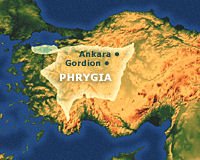
Attis

Attis of Phrygia  -  CRUCIFIED

Attis of Phrygia  -  CRUCIFIED

 1170 BCE

A Phrygian god of vegetation, and in his self-mutilation, death, and resurrection he represents the fruits of the earth, which die in winter only to rise again in the spring.
There are several account of this God but all seems to concur that he had been an atonement offering for sins. He was suspended on a tree, crucified, buried, and rose again.

Attis is a deity from ancient Phrygian mythology, later incorporated into Greek and Roman religious practices. His mythology is closely linked with the worship of Cybele, the Phrygian mother goddess. The myth of Attis involves themes of love, death, rebirth, and castration, reflecting the cycles of nature and agriculture.

Key Elements of Attis’ Mythology:

  1. Origins and Birth:
    • Attis is often described as having been born from either a miraculous virgin birth or from an almond or pomegranate tree, which was linked to the goddess Cybele.
  2. Relationship with Cybele:
    • Attis was both a consort and a priest of Cybele. Cybele fell in love with Attis, drawn by his beauty and youth. However, their relationship was tumultuous and marked by intense emotions.
  3. Madness and Death:
    • The most famous aspect of Attis’ myth involves his madness, induced by Cybele in a jealous rage after Attis pledged his love to another or attempted to marry a mortal woman. Overcome by frenzy, Attis castrated himself under a pine tree, leading to his death.
  4. Resurrection:
    • Attis’ death and resurrection symbolize the seasonal cycle of vegetation, dying in winter and rebirthing in spring. This aspect made him a god of vegetation and rebirth.
  5. Cult and Worship:
    • The cult of Attis, particularly in connection with Cybele, was characterized by ecstatic rites and rituals, including music, dancing, and self-mutilation by priests known as Galli. The annual festival celebrating Attis’ resurrection, the Hilaria, involved mourning followed by jubilation over his rebirth.
  6. Influence and Spread:
    • Initially a local deity of Phrygia, the worship of Attis spread throughout the Greco-Roman world, particularly after the official adoption of the Cybele cult by Rome in the 3rd century BCE.

Attis’ story reflects broader themes of life, death, and renewal, which were common in many ancient religions and resonate with the natural world’s seasonal patterns. His worship declined with the rise of Christianity, which adopted similar themes of death and resurrection in the story of Jesus Christ.


The narrative of Attis of Phrygia listed among "crucified saviors" comes from 19th-century comparative mythicist works—chiefly Kersey Graves’ The World’s Sixteen Crucified Saviors (1875) and Godfrey Higgins’ Anacalypsis (1836)—which mapped Christian liturgical terminology onto Greco-Roman mystery cults.


In classical mythology and epigraphy (recorded by Pausanias, Ovid, Catullus, and Arnobius), Attis was a Phrygian vegetation deity and consort to the Mother Goddess Cybele (Magna Mater).


Profile & Biographical Claims

  • Timeline & Active Dates:


    • Claimed Date: ~1170 BCE.


    • Historical Record: Worship of Cybele and Attis originated in central Anatolia (Phrygia) during the early 1st millennium BCE, reached Greece by the 4th century BCE, and was officially adopted into the Roman Republic in 204 BCE, continuing until the 4th century CE.


  • Calendar Date of Birth:


    • No ancient text lists a December 25 birth. His festival cycle took place during the Vernal Equinox (March 15–28).


  • Manner of Death, Cause & Age:


    • Age: Described as a youth/young man of blooming age.


    • How & Who: After breaking his vow of fidelity to Cybele to marry a mortal princess (Ia/Sagaritis), Cybele struck him with divine madness. In his frenzy, Attis castrated himself under a pine tree and bled to death.


    • The "Crucified on a Tree" Trope: Graves framed the pine tree as a "crucifixion." In authentic Roman ritual (Arbor Intrat, March 22), a pine tree was cut down, wrapped in woolen bandages like a corpse, decorated with violets, and brought into Cybele’s temple to represent Attis’s body.


  • Geographical Locations:


    • Pessinus (Phrygia/modern Turkey), Mount Dindymon, and later across Greece, Rome (the Palatine Hill temple), and the wider Roman Empire.


Theological Details: 19th-Century Claims vs. Classical Sources

Category19th-Century Mythicist Claim (Graves)Classical Mythology & Inscriptions
Virgin BirthBorn of the virgin Nana on Dec 25.Conceived by the river nymph Nana, who placed an almond or pomegranate (sprung from the severed dual-gender organ of Agdistis) against her bosom.
CrucifixionSuspended on a tree, crucified, and pierced.Self-castration and death beneath a pine tree; never subjected to Roman execution on a cross.
Atonement / SalvationDied as an atoning sacrifice for the sins of mankind.Symbolized the death of autumn/winter vegetation and its springtime rebirth. Initiates sought agricultural fertility and symbolic renewal.
Resurrection & AscentResurrected physically from the dead and ascended to heaven before witnesses.In early myth, Zeus granted that his body would never decay, his hair would keep growing, and his pinky finger would move. By the late Roman Empire, his ritual mourning turned to rejoicing (Hilaria, March 25) celebrating his renewal.
Descent to UnderworldDescended to hell.Entertained in the realm of the dead; Cybele mourned his spirit and retrieved his memory/presence.
Title: "Son of God"Deemed "Son of God" and "Lord."Revered as Attis Menotokos, Paphas (Father/Protector), and The Shepherd.
Part of a TrinitySecond person of a Phrygian Trinity.Worshiped as part of a divine pair (Cybele & Attis), not a triune godhead.
Judgment in HeavenWill judge departed souls in heaven.Did not judge souls; afterlife judgment in Greco-Roman religion fell under Minos, Rhadamanthus, and Aeacus.

Appearance, Worship, and Cult Rites

  • Visual Iconography:


    • Always depicted as an effeminate, beautiful shepherd youth wearing a conical Phrygian cap, an open tunic exposing his midriff/chest, and eastern-style leggings (anaxyrides), often holding a shepherd’s crook (pedum) or syrinx (panpipes).


  • Rites & Worshippers:


    • The Galli: Priesthood of eunuchs who castrated themselves in ecstatic ritual dance to dedicate their lives to Cybele in imitation of Attis.


    • Taurobolium: A blood baptism introduced in the imperial era where the initiate stood in a pit beneath a perforated platform while a bull was sacrificed above, symbolizing rebirth into the cult.


    • The Hilaria Festival: Followed days of fasting and mourning (Dies Sanguinis - Day of Blood) with carnival-like rejoicing to herald the return of spring.
  • Roman authors approached the myth and cult of Attis through distinct lenses: the poet Catullus explored the psychological horror and ecstatic fervor of devotion, while Ovid provided an etiological and mythic explanation for Roman civic religion.


  • Catullus: Poem 63 (The Frenzy of the Gallus)

    Written in the 1st century BCE, Catullus’s Poem 63 is the most famous literary portrayal of the cult’s ecstatic psychology. Uniquely, the poem is composed in Galliambic meter—a rapid, jarring rhythm mimicking the frantic clashing of cymbals and tambourines used in Cybele’s rites.


    • The Act of Madness: The protagonist (named Attis, representing both the mythical youth and the archetypal devotee) sails across the sea to Phrygia, driven by divine frenzy. Rushing into the dark forests of Mount Dindymon, he seizes a sharp flint stone and castrates himself in an act of absolute surrender to Cybele.


    • Grammatical Shift: Catullus reflects this physical transformation directly in the Latin grammar: as soon as the castration occurs, the pronouns and adjectives describing Attis abruptly shift from masculine (niveis manibus, "his snowy hands") to feminine (notis manibus, "her well-known hands").


    • The Dawn of Regret: The following morning, when the manic fury subsides, Attis wakes on the shore and laments the irreversible loss of homeland, family, manhood, and Roman civic identity, realizing he is now permanently bound as a servant of Cybele.


    • Cybele’s Dominance: Seeing Attis’s grief, Cybele unyokes one of the ferocious lions driving her chariot, commanding it to chase Attis back into the wilderness. Terrified, Attis flees into the mountains to remain Cybele’s captive maidservant forever.


    Ovid: Fasti (Book 4 – The Megalesia and Etiology)

    In the Fasti (an early 1st-century CE poetic calendar of Roman festivals), Ovid records the arrival of Cybele (Magna Mater) in Rome and explains the mythical origins behind her April festival, the Megalesia.


    • The Broken Vow: Ovid frames Attis as a handsome Phrygian shepherd boy with whom Cybele fell in love. Cybele made him the guardian of her temple under a strict oath of eternal chastity ("Promise that you will always remain a boy"). Attis broke this pledge by falling in love with the tree-nymph Sagaritis.


    • The Goddess's Revenge: Cybele struck the sacred tree containing the nymph's life-force, killing Sagaritis. She then drove Attis into an uncontrollable frenzy. Believing his roof was falling in and that he was pursued by the Furies, Attis fled to Mount Dindymon, mutilated his own body with a sharp sherd, and declared: "These parts have destroyed me; let them perish."


    • The Etiology of the Galli: Ovid explains that this myth served as the precedent for the real-world Galli (the eunuch priests of the Roman Empire), who castrated themselves to perpetuate Attis’s original penalty.

    Comparative Summary

    ElementCatullus (Poem 63)Ovid (Fasti, Book 4)
    PerspectiveInternal, psychological, and tragic horror.Narrative, mythographic, and ritual explanation.
    Attis's CharacterA Greek youth seduced by foreign religious fervor.A mythological shepherd who breaks a divine oath of chastity.
    Cause of FrenzyReligious possession / mania (rabies).Jealous curse and wrath sent directly by Cybele.
    Tone Toward the CultDread; ends with a prayer asking Cybele to keep her madness far from his own home.Scholarly curiosity explaining why Roman priests practiced self-mutilation and played loud instruments.

Crite

Crite of Chaldea  -  CRUCIFIED

Crite of Chaldea  -  CRUCIFIED

chaldea
Crite of Chaldea  -  CRUCIFIED

 1200 BCE

The account of Crite of Chaldea comes exclusively from 19th-century mythicist literature—most directly Chapter XIV of Kersey Graves’ The World’s Sixteen Crucified Saviors (1875), which derived the claim from Godfrey Higgins’ Anacalypsis (1836).


In modern Assyriology, Near Eastern archaeology, and ancient cuneiform records, no god, king, or mythical figure named "Crite" exists in the historical Chaldean or Babylonian pantheons.


Profile & Specific Attributes

  • Time Period & Dates:


    • Claimed Date: Active around 1200 BCE.


    • Historical Reality: The region of Chaldea (southern Babylonia) did not emerge as a distinct political entity in historical records until the 9th century BCE, well after 1200 BCE.


  • Calendar Date of Birth:


    • No specific calendar day, month, or birth records exist in ancient texts.


  • Age at Death & Manner of Slaying:


    • Claimed Cause of Death: Died as a sacrificial offering, explicitly cataloged by Graves as being crucified. The event was accompanied by cosmic upheaval where "both heaven and earth were shaken to their foundations."


    • Who Killed Him / Age: Graves and Higgins provide no specific age or named executioner; the death is described as an offering to appease an angry supreme deity.


  • Geographical Locations:


    • Chaldea (the marshlands and river plains of ancient southern Mesopotamia/Babylonia).


  • Mission & Salvation:


    • Relegated in 19th-century accounts to the role of an atoning mediator who bore the wrath of the divine on behalf of humanity.


  • Appearance & Visual Record:


    • There are no genuine ancient statues, reliefs, or cylinder seals depicting "Crite". Actual Chaldean and Babylonian religious art portrays primary gods such as Marduk, Nabu, Enlil, and Ea wearing horned headdresses, multi-tiered robes, and holding divine rods or measuring cords.


Theological & Doctrinal Categories

Category19th-Century Mythicist Claim (Graves)Mesopotamian Cuneiform / Historical Record
Virgin BirthGrouped among divinely conceived savior figures.No Chaldean deity matches this name or concept.
CrucifixionAsserted to have been crucified as an atoning sacrifice.Crucifixion was unknown in 1200 BCE Mesopotamia; execution by impalement or slaying was standard.
Death & ResurrectionClaimed to have been offered up, resurrected, and ascended.Mesopotamian dying-and-rising motifs belong to Dumuzi/Tammuz, not a figure named Crite.
Descent & AscentImplied descent into the underworld and ascension into heavenly realms.The descent myth in Mesopotamia belongs to Inanna/Ishtar and Dumuzi.
Title: "Son of God"Titled "The Ever Blessed Son of God," "The Redeemer," and "The Savior of the Race."Standard Mesopotamian divine epithets included "Lord of Wisdom" (Ea) or "King of the Gods" (Marduk).
Alternate NamesNone listed; name is likely a garbled transliteration of an ancient name (such as the Ugaritic legend of Keret or the Cretan Zeus Krites).Unattested in Akkadian, Sumerian, or Aramaic pantheon lists.
Part of a TrinityAttributed to Chaldean divine triadic structures.Mesopotamian religion featured prominent triads (e.g., Anu, Enlil, Ea or Sin, Shamash, Ishtar), none of which contained "Crite."
Judgment in HeavenAssigned the role of divine intercessor and judge.Souls in the underworld (Kur/Irkalla) were overseen by the goddess Ereshkigal and judge-gods like Nergal, not an atoning savior.

Origin of the "Crite" Claim

  1. Source Attribution: Kersey Graves copied this entry directly from Godfrey Higgins' work without citing any primary cuneiform tablets or ancient inscriptions.


  2. Philological Errors: 19th-century antiquarians frequently misread classical Greek sources, confused Cretan legends (e.g., Kres/Krete) or Levantine royal epics (the Epic of Keret) with Mesopotamian god lists, and retrofitted Christian theological vocabulary ("Redeemer," "Atoning Offering," "Son of God") onto fragmented notes.

Khrishna

Chrishna –  of Hindostan   -  CRUCIFIED

Krishna
Chrishna –  of Hindostan   -  CRUCIFIED

 1200 BCE INDIA

The details presented originate from 19th-century comparative mythicist works—chiefly Kersey Graves’ The World's Sixteen Crucified Saviors (1875) and Godfrey Higgins’ Anacalypsis (1836)—which sought to align the life of Lord Krishna with the Christian Gospel narrative.


Authentic Hindu primary scriptures (the Mahabharata, Bhagavad Gita, Bhagavata Purana, and Harivamsa) provide the historical and theological foundation of Krishna.


Core Profile & Biography

  • Dates & Timeline:


    • 19th-Century Mythicist Claim: Active around 1200 BCE.


    • Traditional Hindu Chronology: Born in 3228 BCE and departed in 3102 BCE, marking the onset of the Kali Yuga. Modern scholarship generally dates the composition of his core narratives between 1000 BCE and the early centuries CE.


  • Date of Birth:


    • Claim: December 25.


    • Hindu Calendar: Celebrated as Krishna Janmashtami on the 8th day (Ashtami) of the dark fortnight (Krishna Paksha) in the Hindu month of Bhadrapada (falling in August or September on the Gregorian calendar).


  • Age, Cause of Death & Perpetrator:


    • Claim: Died around age 30, crucified on a tree between two thieves with the sun darkening at noon.


    • Hindu Scriptures: Lived to approximately 125 years old. Sitting in deep meditation in the forest of Prabhas Patan, his left foot was mistakenly shot by a hunter named Jara, who mistook Krishna's foot for the ear of a deer. He was never crucified.


  • Geographical Locations:


    • Active across northern and western India: born in Mathura, raised in Gokul/Vrindavan, ruled as king in Dwarka (Gujarat), and delivered the Bhagavad Gita on the battlefield of Kurukshetra (Haryana).


  • Appearance:


    • Traditionally depicted with dark blue or cloud-complexioned skin (Shyama), wearing yellow silk garments (Pitambara), adorned with a peacock feather crown, playing a bamboo flute (Bansuri), or steering a war chariot.


Theological Details: Mythicist Claims vs. Hindu Scripture

Category19th-Century Mythicist Claim (Graves/Higgins)Authentic Hindu Scripture (Puranas / Gita)
Virgin BirthBorn of the virgin Devaki.Devaki was married to Vasudeva; Krishna was their eighth biological son (six previous brothers were slain by King Kamsa).
Purpose of IncarnationDied for the salvation / atonement of man's sins.Incarnated to protect virtue (Dharma), vanquish demonic forces, and restore cosmic balance (Gita 4:7–8).
Manner of DeathPierced and crucified between thieves on a tree.Pierced in the foot by an arrow while meditating under a tree; no crucifixion occurred.
Resurrection & AscentResurrected from the dead, descended to hell, ascended before all men.Left his physical form (Mahasamadhi) and returned in his transcendent, spiritual form to his eternal abode (Goloka / Vaikuntha).
Title: "Son of God"Deemed "Son of God" and second person of a trinity.Regarded as the Supreme Personality of Godhead (Svayam Bhagavan) or the eighth major avatar of Lord Vishnu (the Preserver in the Trimurti of Brahma-Vishnu-Shiva).
Names & EpithetsKhrishna, "Pure Essence" (linked to Christ).Govinda, Gopala, Vasudeva, Mukunda, Madhava, Keshava.
Judgment of MankindWill judge souls in heaven.Souls are judged by their own Karma overseen by Yama (the lord of justice and death); Krishna offers liberation (Moksha) from rebirth.

Linguistic & Etymological Facts

  • Krishna vs. Christ:


    • The Sanskrit word Kṛṣṇa (कृष्ण) derives from the root kṛṣ, meaning "black," "dark," or "all-attractive."


    • The Greek word Christos (Χριστός) translates the Hebrew Mashiach (Messiah), meaning "the Anointed One."


    • Modern historical linguistics confirms the two words share no etymological relationship.


  • Worship & Devotees:


    • Krishna is worshiped through Bhakti Yoga (loving devotional service), temple pujas, kirtan (chanting), and philosophical study of the Bhagavad Gita. His followers encompass millions of Vaishnavas worldwide across all social backgrounds.

Thulis

Thulis of Egypt  -  CRUCIFIED

Thulis of Egypt  -  CRUCIFIED

1700 BCE    –   

3500 YEARS AGO.

The identification of Thulis (or Zulis) as a pre-Christian crucified savior was constructed in the 19th century by British antiquarian Godfrey Higgins in Anacalypsis (1836) and popularized by American free-thought writer Kersey Graves in The World's Sixteen Crucified Saviors (1875).


Rather than relying on translated hieroglyphic records, Higgins and Graves drew upon late Greek lexicons, etymological speculation, and authentic Osiris temple reliefs to construct their narrative.


The Linguistic & Textual Bridge

  1. The Suda Lexicon Connection:


    • Higgins discovered the name Thulis in the Suda (a 10th-century Byzantine Greek encyclopedia) and the writings of John Malalas.


    • The entry described a legendary king of Egypt named Thulis who ruled "all the way to the ocean" and consulted the Oracle of Serapis. The oracle told him that God is a Trinity (Father, Son, and Holy Spirit) and that Thulis’s rule would soon end. Upon leaving the oracle, Thulis was assassinated by his own subjects.


  2. Equating "Thulis" with "Zulis" and "Osiris":


    • Higgins argued through comparative linguistics (common in 18th- and 19th-century philology) that names across languages evolved from common solar roots. He asserted that Thulis was simply a Hellenized variant of Zulis, which in turn was an epithet or root name for Osiris (or O-Siris / O-Zulis).


Merging Osiris's Theology into the "Thulis" Profile

Once Higgins established that Thulis was Osiris, he and Graves mapped the central tenets of Egyptian Osirian theology directly onto this figure:


  • The 28 Lotus Stalks and Lifespan:


    • In Anacalypsis, Higgins references early French archaeological surveys of temples at Philae and Dendera. In the roof chapels (the western adytum), reliefs depict the body of Osiris on a funerary couch flanked by 28 lotus plants.


    • In authentic Egyptian mythology (recorded by Plutarch in De Iside et Osiride), Osiris reigned for 28 years—corresponding to the 28 days of the lunar cycle. Higgins interpreted this as evidence that Thulis/Zulis lived an earthly life of 28 years.


  • The Violent Death and Murder:


    • The murder of King Thulis in the Greek legend was synchronized with the slaying of Osiris by Set (Typhon), framed by Graves as a sacrificial "martyrdom" or "crucifixion" for humanity.


  • Descent, Resurrection, and Cosmic Judge:


    • In Egyptian religion, Osiris was reassembled, brought back to life through the magic of Isis, and installed as the Lord of the Underworld (Duat), where he judges every soul via the Weighing of the Heart.


    • Higgins and Graves directly translated this into Christian theological terms: Thulis was a savior who died, descended into the underworld, rose again, ascended to heaven, and acts as the supreme future judge of mankind.


Higgins vs. Graves: How the Narrative Developed

FeatureGodfrey Higgins (Anacalypsis, 1836)Kersey Graves (Sixteen Crucified Saviors, 1875)Academic Egyptology Reality
Core GoalProve a universal solar/pantheistic religion predated all modern faiths.Attack Christian exclusivity by claiming 16 identical prior crucifixions.Deciphering authentic native hieroglyphs and religious texts.
Source BaseByzantine lexicons, classical Greek accounts, early architectural sketches.Copied heavily from Higgins without consulting primary archaeological records.Temple inscriptions, Pyramid/Coffin Texts, Book of the Dead.
Method of DeathSlaying/Treason followed by mystical rebirth.Explicitly classified as a "Crucified Savior".Slain and dismembered; not crucified.
Identity of the DeityRegarded Thulis as an avatar/name of Osiris and Serapis.Treated Thulis as an independent historic individual/savior god.Represents the classical Osiris myth fused with late Greco-Egyptian king tales.
Through this pipeline, the temple reliefs of Osiris at Philae and Dendera became the foundation for the 19th-century legend of "Thulis of Egypt."

The account of Thulis of Egypt originates primarily from 19th-century comparative religion and mythicist writings—most notably Godfrey Higgins’ Anacalypsis (1836) and Kersey Graves’ The World’s Sixteen Crucified Saviors (1875). In mainstream historical Egyptology, "Thulis" is not an authenticated god or pharaoh; the details attributed to him are largely a fusion of Osiris mythology, late Byzantine lexicons (such as the Suda mentioning a legendary King Thulis), and 19th-century polemical claims.

Profile & Specific Attributes

  • Time Period & Dates:

    • Start / Active Date: Claimed in 19th-century sources to have lived around 1700 BCE (~3,700 years ago).

    • Calendar Date of Birth: No specific calendar day or month (e.g., modern dates) exists in any historical record.

  • Age at Death & Lifespan:

    • Age: 28 years old. The legend describes 28 lotus plants surrounding his tomb or chamber, symbolizing each year of his earthly life (a detail borrowed from the 28-year reign attributed to Osiris in Egyptian myth).

  • Death Details:

    • How & When: Suffered a violent death at age 28. In the 19th-century mythicist framing, he is listed among "crucified" or violently slain saviors.

    • Who Killed Him: Late accounts (such as the Byzantine Suda entry on King Thulis) allegorize his downfall through assassination or treason by his own countrymen after he claimed supreme divine power over the elements.

  • Salvation & Mission:

    • Said to have descended from heaven to benefit mankind, walking among humans "full of grace and truth" to bring civilization, moral order, and ultimately salvation through his resurrection.

  • Geographical Locations:

    • Ancient Egypt, with sacred depictions claimed to be located in temple adyta (inner sanctuaries) along the Nile, specifically associated with the chambers in Philae and Abydos traditionally tied to Osiris.

  • Actions During Life & After Death:

    • In Life: Taught wisdom, governed justly, and performed miracles to uplift humanity.

    • After Death: Descended into the underworld/death, resurrected, ascended to the heavens, and took up the role of presiding judge over departed souls.

  • Worship & Followers:

    • How Worshiped: Through temple mysteries, ritual offerings, and funerary rites promising immortality to initiates.

    • Followers: Ancient Egyptian priesthood, initiates of mystery cults, and the general populace seeking safe passage to the afterlife.

Theological & Doctrinal Questions

CategoryClaimed Detail / Status
Virgin BirthAttributed to divine conception/birth in comparative mythicist catalogs; standard Egyptian parallels trace this to the divine birth myths of solar and royal deities.
CrucifixionClaimed by Kersey Graves as one of sixteen "crucified" saviors; in authentic Egyptian archaeology, deities were depicted as dismembered, slain, or bound (like Osiris), not crucified on a Roman-style cross.
Death & ResurrectionYes; the tradition states he was slain, buried, rose from the dead, and triumphed over mortality.
Descent & AscensionYes; descended into the realm of the dead and subsequently ascended to the heavenly realms.
Title: "Son of God"Yes; held divine royal titles reflecting solar parentage common to Egyptian savior figures (e.g., Sa-Ra, "Son of Ra").
Alternate NamesZulis, Thules, or identified syncretically with Osiris-Apis (Serapis).
Part of a TrinityYes; associated with Egyptian theological trinities (typically structured as Father, Mother, Son, such as Osiris–Isis–Horus or Serapis–Isis–Horus).
Judgment in HeavenYes; designated as the supreme judge who weighs and evaluates human souls in the afterlife.

Appearance & Visual Record

No verified ancient statues or inscriptions bear the name "Thulis" as an independent deity in academic Egyptology. The sculptures referenced in 19th-century accounts—described as resting in western temple adyta surrounded by lotus motifs—are authentic relief carvings of Osiris depicted in his funerary bed (the Osiris beds of Philae and Dendera), where Osiris is shown mummiform, crowned with the Atef crown, and flanked by lotus flora symbolizing rebirth and eternal life.

Teaser Image
ascending to heaven

Spiritual Beings who took the form of Men and then Ascended into Heaven

Spiritual Beings who took the form of Men and then Ascended into Heaven


  • Salivahana of Bermuda
  • Zulis or Zhule of Egypt
  • Osiris of Egypt
  • Oru of Egypt
  • Odin of the Scandinavians
  • Zoroaster of Persia
  • Baal of Phoenicia
  • Taut, "the only Begotten of God" of Phoenicia, inventor of letters
  • Bali of Afghanistan
  • Xamolxis (Zalmoxis) of Thrace
  • Zoar of the Bonzes
  • Adad of Assyria
  • Deva Tat of Siam (Thailand)
  • Sammonocadam (Sommona-Codom) of Siam (Thailand)
  • Alcides of Thebes
  • Mikado of the Sintoos
  • Beddru of Japan
  • Bremrillah of the Druids
  • Thor son of Odin of the Gauls/Norse
  • Cadmus of Greece
  • Hil/Feta of the Mandaites
  • Gentaut of Mexico
  • Universal Monarch of the Sibyls
  • Ischy of Formosa (Taiwan)
  • Divine Teacher of Plato
  • Holy One of Xaca
  • (Fohi) of China
  • Tien of China
  • Adonis son of the virgin Io of Greece
  • Ixion of Rome
  • Mohamud or Mahomet of Arabia
  • Jesus of Israel
Teaser Image
Salute to Rome

Nazi Salute to Rome

Nazi Salute to Rome

 
salute to romesalute at Nurenberg
 

Salute to Rome

Hitler and Our Lady Catholic Church

A former Roman salute.

It became popular in Germany around 1900.

Jacques-Louis David’s painting Oath of the Horatii (1784) seems to be the starting point for the gesture that became known as the Roman salute.  The gesture and its identification with ancient Rome was advanced in other French neoclassic art.  This was further elaborated upon in popular culture during the late 19th and early 20th centuries in plays and films that portrayed the salute as an ancient Roman custom.  – Winkler (2009) p. 2

american kids doing the salute

american kids doing the salutepriests doing the saluteNazi clergyNazi bishopholy salute to romedagger salutehitler and francoSpain salutesspain salutes

Spain Today

musalini salutes rome