
Sakya Buddha, Hindu of India - CRUCIFIED, born of a virgin, Son of God
Sakya Buddha, Hindu of India - CRUCIFIED
The account of Sakya Buddha (Siddhartha Gautama, Shakyamuni) as a crucified, sin-atoning savior who descended to hell and resurrected comes directly from 19th-century comparative mythicist literature—most notably Kersey Graves’ The World’s Sixteen Crucified Saviors (1875) and Godfrey Higgins’ Anacalypsis (1836).
In authentic Buddhist canonical scripture (the Tipitaka / Pali Canon, Mahayana Sutras) and historical scholarship, Siddhartha Gautama was an enlightened human teacher who taught a path to end suffering (Dukkha) through self-discipline and meditation, not an executed sin-bearer.
Profile & Specific Attributes
- Timeline & Dates:
- Mythicist Claim: Active ~600 BCE.
- Historical Consensus: Lived c. 563–483 BCE (or c. 480–400 BCE according to modern dating consensus).
- Calendar Date of Birth:
- Celebrated throughout Asia on Vesak (the full moon day of the lunar month Vaisakha, falling in April or May).
- Age, Cause of Death & Perpetrator:
- Age at Death: Died at 80 years old.
- Manner of Death: Died peacefully lying on his right side between two Sal trees in Kushinagar, entering Parinirvana (final liberation from rebirth) after consuming a meal offered by the blacksmith Cunda (often identified as mushrooms or pork, sukara-maddava).
- Crucifixion Claim: The mythicist account of an arrow piercing his heart and fastening him to a cross is fictional; the Buddha was never executed or crucified.
- Geographical Locations:
- Born in Lumbini (modern Nepal); attained enlightenment in Bodh Gaya; gave his first sermon in Sarnath; taught across the Gangetic plain in Magadha and Kosala (Varanasi, Rajgir, Shravasti, Vaishali); passed away in Kushinagar.
- Appearance & Iconography:
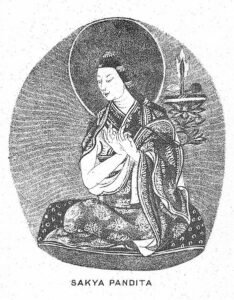
- Depicted with the 32 physical marks of a Great Man (Mahapurusha): cranial bump of wisdom (Ushnisha), elongated earlobes (from princely jewelry), curled hair, monastic robes, and hands in meditative mudras.
Theological Details: Mythicist Claims vs. Buddhist Canon
| Category | 19th-Century Mythicist Claim (Graves/Higgins) | Canonical Buddhist Scripture (Pali/Sanskrit Texts) |
|---|---|---|
| Virgin Birth | Born of the virgin Queen Maya ("Queen of Heaven"). | Queen Maya was married to King Shuddhodana; Buddhist tradition describes a miraculous conception dream (a white elephant entering her side), not a perpetual virgin birth. |
| Crucifixion | Crucified on a tree split by an arrow as a sin offering. | Died of natural illness/old age at 80 in Kushinagar; never crucified. |
| Salvation / Atonement | Died to bear and atone for the sins of humanity. | Taught that liberation (Nirvana) requires individual effort via the Eightfold Path; no one can vicariously wipe away another's Karma. |
| Resurrection & Descent | Descended to hell for 3 days, resurrected, and ascended. | Entered Parinirvana; as an enlightened being, he ended the cycle of death and rebirth (Samsara) and did not bodily rise from the grave. |
| Title: "Son of God" | Deemed "Only Begotten Son" and "Lord." | Titled Tathagata ("Thus Gone"), Shakyamuni ("Sage of the Shakyas"), Bhagavan ("Blessed One"), and Sammasambuddha ("Fully Awakened One"). Buddhism is non-theistic regarding a creator god. |
| Part of a Trinity | Second person of a Buddhist Trinity. | Buddhism venerates the Three Jewels (Triratna): the Buddha (teacher), Dharma (teaching), and Sangha (community)—not a triune godhead. |
| Judgment in Heaven | Returns to judge human souls in heaven. | The Buddha does not judge souls. Rebirth into higher or lower realms is governed by the natural law of Karma. |
Final Departure and Worship
- Worship & Devotees:
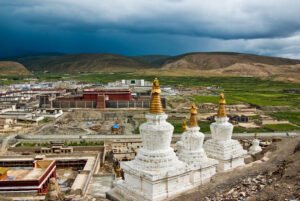
- Revered across monastic communities (Bhikkhus/Bhikkhunis) and lay practitioners (Upasakas/Upasikas) through meditation, chanting the Dharma, circumambulating stupas containing relics, and offering flowers, incense, and lights.
- Origin of the Mythicist Confusions:
- Higgins and Graves misunderstood early European reports of the Stupa cross-sections, Buddhist Wheel of the Law (Dharmachakra), and Tibetan swastikas as "crucifixion" crosses.
- Miracles traditionally attributed to the Buddha (such as the Twin Miracle at Shravasti) were retrofitted by 19th-century writers with direct New Testament phrasing ("making the blind see, deaf hear, lame dance").