Teaser Image
borrowed teachings

Borrowed Teachings

Borrowed Teachings
 
borrowed teachings

Same as Old Testament

The Wisdom of Jesus is not spectacular original insight as the Christians claim. The same teachings and philosophies are in the Jewish Bible texts and have been taught by Jewish Rabbis for centuries. A quick look at the similarities from Proverbs, Psalms, Lamentations, and the Talmud will demonstrate this.


1.   Matthew 5:3 - Blessed are the poor in spirit for theirs is the kingdom.
    
    Proverbs 29:23 - A man’s pride shall bring him low: but honour shall uphold the humble in spirit.

2.   Matthew 5:4 - Blessed are those who morn, for they shall be comforted.
    
    Psalms 147:3 - He healeth the broken in heart, and bindeth up their wounds.

3.   Matthew 5:5 - Blessed are the meek, for they shall inherit the earth.
    
    Psalms 37:11 - But the meek shall inherit the earth; and shall delight themselves in the abundance of peace.

4.   Matthew 5:6 - Blessed are those who hunger and thirst for righteousness, for they shall be satisfied.
    
    Psalm 5:12 - For thou, LORD, wilt bless the righteous; with favour wilt thou compass him as with a shield.

5.   Matthew 5:7 - Blessed are the merciful, for they shall receive mercy.
    
    Talmud Shabbath - 151b 

6.   Matthew 5:8 - Blessed are the pure of heart, for they shall see God.
    
    Psalm 24:3 to 4 - Who shall ascend into the hill of the LORD? or who shall stand in his holy place?

7.   He that hath clean hands, and a pure heart; who hath not lifted up his soul unto vanity, nor sworn deceitfully.

    He shall receive the blessing from the LORD, and righteousness from the God of his salvation.

8.   Matthew 5:9 - Blessed are the peacemakers, for they shall be called sons of God.
    
    Psalm 34:14 to 15 - Depart from evil, and do good; seek peace, and pursue it. The eyes of the LORD are upon the righteous, and his ears are open unto their cry.

9.   Matthew 5:39 - … but if anyone strikes you and the right cheek, turn to him the other also …
    
    Lamentations 3:30 - He giveth his cheek to him that smiteth him: he is filled full with reproach.

10.   Matthew 5:42 - Give to him that begs from you, and do not refuse him who would borrow from you.
    
    Psalm 37:21, 26 21 - The wicked borroweth, and payeth not again: but the righteous sheweth mercy, and giveth. 26 He is ever merciful, and lendeth; and his seed is blessed.

11.   Matthew 5:44 - Love your enemies, and pray for those who persecute you.
    
    Proverbs 25:21 - If thine enemy be hungry, give him bread to eat; and if he be thirsty, give him water to drink:

12.   Matthew 6:3 to 4 - But when you give charity, do not let the left hand know what your right hand is doing, so that your charity may be in secret . . .
    
    Talmud Baba Bathra - 9b 

13.   Matthew 7:1 to 2 - Judge not, that you be not judged. For the judgment you pronounce you will be judged, and the measure you give will be the measure you get.
    
    Talmud Shabbath - 127b & Sotah 8b

14.   Matthew 7:12 - So whatever you wish that men would do to you, do so to them; for this is the law and the prophets.
    
    Talmud Shabbath - 31a 

Do Unto Others

Christians claim Jesus was the originator of the so insightful Golden Rule. The Chinese Bible
which preceded the New Testament by 500 years has the same saying almost word for word
the same.

Golden Rule by Confucius, 500 B.C.E.

Do unto another what you would have him do unto you, and do not to another what you would
not have him do unto you. Thou needest this law alone. It is the foundation of all the rest.

Golden Rule by Aristotle, 385 B.C.E.

We should conduct ourselves toward others as we would have them act toward us.

Golden Rule by Pittacus, 650 B.C.E.

Do not to your neighbor what you would take ill from him.

Golden Rule by Thales, 464 B.C.E.

Avoid doing what you would blame other for doing.

Golden Rule by Isocrates, 338 B.C.E.

Act toward other as you desire them to act toward you.

Golden Rule by Aristippus, 365 B.C.E.

Cherish reciprocal benevolence, which will make you as anxious for another’s welfare as your
own.

Golden Rule by Sextus, a Pythagorean, 406 B.C.E.

What you wish your neighbors to be to you, such be also to them.

Golden Rule by Hillel, 50 B.C.E.

Do not to others what you would not like others to do to you.


Enemies


The following is from the old Persian bible, the Sadder:


1. "Forgive thy foes, nor that alone;
Their evil deeds with good repay;
Fill those with joy who leave thee none,
And kiss the hand upraised to slay."


Never was love, and kindness, and forbearance toward enemies more sublimely expressed
than in the old Persian ballad.


2. "Treat thine enemy as though a friend, and he will become thy friend,"


was expressed by Publius Syrus, a Roman slave, which is a wiser admonition than that of
Christ, "Love thine enemy," as it is a moral impossibility.


3· "All nature cries aloud, Shall man do less than heal the smiter, and the railer bless?" (Hafiz, a
Mahomedan.)


4· "Bridle thine anger, and forgive thine enemy; give unto him who takes from thee." (Koran,
Mahomedan bible.)


5· "Let no man be offended with those who are angry at him, but reply gently to those who curse
him." (Code of Menu.)


6. "Let him endure injuries, and despise no one." (Ibid.)


7· "Commit no hostile action for your own preservation." (Ibid.)


8. "To be revenged on enemies, become more virtuous." (Diogenes.)


9· "To strike a man, or vex him with words, is a sin." (Zend-Avesta, Persian bible.)


10. "Even the intention to strike is a sin.” (Ibid.)


II. "Desire not the death of thine enemy." (Confucius.)


12. "Acknowledge benefits, but never revenge injuries." (Ibid.)
 

13. "We may di"slike an enemy without desiring revenge." (Ibid.)


14. "Pardon the offenses of others, but never your own." (Publius Syrus.)


1 5· "The noble spirit cures injustice by forgiving it." (Ibid.)


16. "It is much better to be injured than to kill a man.'' (Pythagoras)


17. "You can accomplish by kindness what you cannot by force." (Publius Syrus)


18. "Better overlook an injury than avenge it." (Publius Syrus)


19. "It is enough to think ill of an enemy without avenging it." (Publius Syrus)


20. "It is a kingly spirit to return good deeds for evil ones." (Ibid.)


21. "Learn for yon orient shell to love thy foe, And store with pearls the hand that brings thee
woe;
Flee, like yon rock, from base, vindictive pride, Emblaze with gems the wrist that rends thy
side." (Hafiz)


22. "To revenge yourself on an enemy, make him your friend." (Pythagoras)

23. "It is not permitted to a man who has received an injury to revenge it by doing another."
(Socrates, in his Crito)


24. "Seek him who turns thee out, and pardon him who injures thee." (Koran)

25. "Return not evil for evil." (Socrates)


26. "Endure all things if you would serve God.'' (Sextus)


27. "Desire to be able to benefit your enemies." (Ibid.)


28. "Receive an injury rather than do one." (Publius Syrus)


29. "Be at war with men's vices, but at their persons." (Ibid.)


30. "Cultivate friendship for an enemy." (Pittacus)


31. "Be kind to your friends that they may continue so, and to your enemies that they may become
so." (Ibid)


32. "Prevent injuries if possible; if not, do not revenge them." (Ibid.)


33· "An enemy should not be hated, but cured." (Seneca)


34· "To act unkindly toward an enemy will increase his hate." (Antonius)


35· "Be to everybody kind and friendly." (Ibid.)


36. "Speak evil of no one, not even your enemies." (Pittacus)
Teaser Image
sundayath

Sundayath

Sundayath

 
sundayath

-----SUNDAYATH

The First Day is Now the Seventh Day

One of the ten commandments of the Bible is “keep my Sabbath.” How many different times is this stated in the Bible? The Sabbath is the seventh day of the week.  And it doesn’t say to keep my “Sundayath.” And many times after this commandment the next verse that follows is, “I am ” Shem Hamephorash” [ihvh] your God.”

The Sabbath day is so important that it was made one of the ten commandments.     Exodus 20:8 – 11 8

****** Remember the sabbath day, to keep it holy.*******

9 Six days shalt thou labour, and do all thy work:

10 But the seventh day [is] the sabbath of the LORD thy God: [in it] thou shalt not do any work, thou, nor thy son, nor thy daughter, thy manservant, nor thy maidservant, nor thy cattle, nor thy stranger that [is] within thy gates:

11 For [in] six days the LORD made heaven and earth, the sea, and all that in them [is], and rested the seventh day: wherefore the LORD blessed the sabbath day, and hallowed it.     Exod 20:9-11

 16 Wherefore the children of Israel shall keep the sabbath, to observe the sabbath throughout their generations, for a perpetual covenant.     Exodus 31:16

 3 Six days shall work be done, but on the seventh day is a Sabbath of solemn rest, a holy convocation. You shall do no work. It is a Sabbath to the Lord in all your dwelling places.     Leviticus 23:3

 21 Six days you shall work, but on the seventh day you shall rest. In plowing time and in harvest you shall rest.     Exodus 34:21

 14 You shall keep the Sabbath, because it is holy for you. Everyone who profanes it shall be put to death. Whoever does any work on it, that soul shall be cut off from among his people.     Exodus 31:14

 Observe the Sabbath day, to keep it holy, as the LORD your God commanded you. Six days you shall labor and do all your work, but the seventh day is a Sabbath to the LORD your God. On it you shall not do any work, you or your son or your daughter or your male servant or your female servant, or your ox or your donkey or any of your livestock, or the sojourner who is within your gates, that your male servant and your female servant may rest as well as you.     Deuteronomy 5: 12 – 15

The new moons and Sabbaths, the calling of assemblies, I cannot away with; it is iniquity.     Isa. 1:13

It is one of the Ten Commandments and is “a perpetual covenant.”

Remember the sabbath day, to keep it holy.    Exodus 20:8

My sabbaths ye shall keep: for it is a sign between me and you throughout your generations … for a perpetual covenant.      Exodus 31:13-16

Ye shall … keep my sabbaths: I am the LORD your God.     Leviticus 19:3, 30

Six days shall work be done: but the seventh day is the sabbath of rest, an holy convocation; ye shall do no work therein: it is the sabbath of the LORD.     Leviticus 23:3

Keep the sabbath day to sanctify it, as the Lord thy God hath commanded thee.Deuteronomy 5:12

Blessed is the man … that keepeth the sabbath.     Isaiah 56:2

Whoever “defiles” it “shall surely be put to death.”

Ye shall keep the sabbath therefore; for it is holy unto you: every one that defileth it shall surely be put to death.     Exodus 31:14

Six days shall work be done, but on the seventh day there shall be to you a holy day, a sabbath of rest to the Lord: whosoever doeth work therein shall be put to death.     Exodus 35:2

And they found a man that gathered sticks upon the Sabbath day …. And all the congregation brought him without the camp and stoned him with stones, and he died; as the Lord commanded Moses.     Numbers 15:32-36

The new moons and sabbaths, the calling of assemblies, I cannot away with; it is iniquity.     Isaiah 1:13

sundath

New Testament

Christians don’t honor Saturday the Sabbath. They worship on Sunday. They call Sunday the day of rest. The Catholic Church says they have the authority to change the day of worship from Saturday to Sunday. The Protestants and Born Again Christians blindly follow whatever the Catholic Church says like good Christians. The people around Jesus observed the Sabbath and wouldn’t even anoint the body of Jesus until after the Sabbath as per Mark 16:1-2. 16:1

And when the Sabbath was past, Mary Magdalene, and Mary the mother of James, and Salome, had bought sweet spices, that they might come and anoint him.     Mark 16:1-2. 16:1

Paul and his companions … On the Sabbath they went to the synagogue for the services. Acts 16:13 On the Sabbath we went a little way outside the city to a riverbank, where we thought people would be meeting for prayer …

 As was Paul’s custom, he went to the synagogue service, and for three Sabbaths in a row he used the Scriptures to reason with the people.     Acts 17:2

The Christians justify that they can do anything they want as stated in their vague verses. These verses seem to remove one of the ten commandments, the Sabbath commandment.

 In the same way, some think one day is more holy than another day, while others think every day is alike. You should each be fully convinced that whichever day you choose is acceptable. Those who worship the Lord on a special day do it to honor him.      Romans 14:5-6 5

 Therefore do not let anyone judge you by what you eat or drink, or with regard to a religious festival, a New Moon celebration or a Sabbath day.     Colossians 2:16-17 16

 So now that you know God (or should I say, now that God knows you), why do you want to go back again and become slaves once more to the weak and useless spiritual principles of this world? You are trying to earn favor with God by observing certain days or months or seasons or years.     Galatians 4:8-10 8

Sylvester I (314-337 A.D.) was the Catholic Bishop of Rome (later to become pope) during the reign of Constantine. He officially gave the Churches approval to the Constantine edict of 321 A.D. Here is what he thought of the Bible Sabbath:

“If every Sunday is to be observed joyfully by the Christians on account of the resurrection, then every Sabbath on account of the burial is to be execration [meaning loathing or cursing] of the Jews.”

–quoted by S. R. E. Humbert, Adversus Graecorum calumnias 6, in Patrologie Cursus Completus, Series Latina, ed. J.P. Migne, 1844, p. 143. The council of Bishops at the Council of Laodicea (363 A.D.) said;

“Christians must not Judaize by resting on the Sabbath.”

God did rest the seventh day from all his works. … There remaineth therefore a rest to the people of God.      Hebrews 4:4-9

And the “people of God they are talking about are not the Christians.”

And Jesus told his followers to pray that the end of the world doesn’t come on a Sabbath (since on that day they couldn’t run away from God’s wrath).

But pray ye that your flight be not in the winter, neither on the sabbath day.    Matthew 24:20

No, Believers say it doesn’t matter at all.

Jesus and his disciples didn’t bother much with the Sabbath, and they were criticized for it.

At that time Jesus went on the sabbath day through the corn; and his disciples were an hungred, and began to pluck the ears of corn and to eat. But when the Pharisees saw it, they said unto him, Behold, thy disciples do that which is not lawful to do upon the sabbath day.     Matthew 12:1-2, Mark 2:23-24

Jesus saith unto him, Rise, take up thy bed, and walk. And immediately the man was made whole, and took up his bed, and walked: and on the same day was the sabbath. The Jews therefore said unto him that was cured, It is the sabbath day: it is not lawful for thee to carry thy bed.    John 5:8-10

And therefore did the Jews persecute Jesus, and sought to slay him, because he had done these things on the sabbath day.     John 5:16

If a man on the sabbath day receive circumcision, that the law of Moses should not be broken; are ye angry at me, because I have made a man every whit whole on the sabbath day?      John 7:23

And the ruler of the synagogue answered with indignation, because that Jesus had healed on the sabbath day, and said unto the people, There are six days in which men ought to work: in them therefore come and be healed, and not on the sabbath day.     Luke 13:14

And Jesus encouraged others to break the Sabbath, saying that the Sabbath was made for man, not man for the Sabbath, and that he was Lord of the Sabbath. (So he and his followers are free to break it.)

And Jesus answering spake unto the lawyers and Pharisees, saying, Is it lawful to heal on the sabbath day? And they held their peace. And he took him, and healed him, and let him go; And answered them, saying, Which of you shall have an ass or an ox fallen into a pit, and will not straightway pull him out on the sabbath day? Luke 14:3-5

He said unto them, The sabbath was made for man, and not man for the sabbath: Therefore the Son of man is Lord also of the sabbath.      Mark 2:27-28

Paul* told his followers to observe the Sabbath on any day they liked. It’s not important and no one should be judged for how they keep (or don’t keep) the Sabbath.

One man esteemeth one day above another; another esteemeth every day alike. Let every man be fully persuaded in his own mind.      Romans 14:5

Let no man therefore judge you in meat and drink, or in respect of a holy day, or of the new moon; or of the sabbath days.       Colossians 2:16

PAUL’S SATURDAY

There are many references in the book of Acts about the early Christian church meeting together on the Sabbath (Saturday) to pray and study the Scriptures. Here are some examples:

Paul and his companions … On the Sabbath they went to the synagogue for the services.     Acts 13:13-14

On the Sabbath we went a little way outside the city to a riverbank, where we thought people would be meeting for prayer …     Acts 16:13

As was Paul’s custom, he went to the synagogue service, and for three Sabbaths in a row he used the Scriptures to reason with the people.     Acts 17:2

However, some Christians believe the early church began meeting on Sundays soon after Christ rose from the dead, in honor of the Lord’s resurrection, which took place on a Sunday, or the first day of the week. This verse has Paul instructing the churches to meet together on the first day of the week (Sunday) to give offerings:

Now about the collection for God’s people: Do what I told the Galatian churches to do. On the first day of every week, each one of you should set aside a sum of money in keeping with his income, saving it up, so that when I come no collections will have to be made.     1 Corinthians 16:1-2

And when Paul met with believers in Troas to worship and celebrate communion, they gathered on the first day of the week:

On the first day of the week we came together to break bread. Paul spoke to the people and, because he intended to leave the next day, kept on talking until midnight.     Acts 20:7

Jesus and the Sabbath

Therefore did the Jews persecute Jesus, and sought to slay him, because he had done these things on the Sabbath day.     John 5:16

At that Time Jesus went on the Sabbath day through the corn; and his disciples were a hungered, and began to pluck the ears of corn, and to eat. But when the pharisees saw it they said to him, behold, your disciples do that which is not lawful to do on the Sabbath day. But he said to them, . . . . Have you not read in the law, how that on the Sabbath days the priests in the temple profane the Sabbath, and are blameless?      Matthew 12:1, 2, 3, 5

While some believe the transition from Saturday to Sunday worship began right after the resurrection, the truth is it was changed by the Catholics at the meeting of the Council of Nicaea.

Today, the majority of Christian believe Sunday is the Sabbath day

First Sunday Law

The legal duty imposed by the consitution of Constantive in 321 AD that all courts of justice, inhabitants of towns, and workshops were to be at rest on Sunday (venerabili die Solis) with an exception in fovor of those engaged in agricultural labor.   Encyclopedia Britannica, ninth edition “Sunday”
Found in the Codes Justiniani lib 3, title 12, lex 3.

“Let all the judges and town people and the occupation of all trades rest on the venerable day of the sun.”   Edict of March 7, 321 A.D. Corpus Juris Civilis Cod. lib 3. tit. 12, Lex 3.

364 AD at the Council of Laodicea, the Catholic church transferred the soleminity from Saturday to Sunday.

First Sunday Law in the U.S.

Virginia 1610 —

“Every man woman shall repair in the morning to the divine service and sermons preached upon the Sabbath [Sunday], and in the afternoon to divine service, and catechizing, upon pain for the first fault to lose their provision and the allowance for the whole week following;  for the second, to lose the said allowance and also to be whipped; and for the third to suffer death.”   Laws and Orders, Divine, Politique, and Martial, for the Colony in Virginia, first established by Sir Thomas Gates, knight, Lieutenant General, the 24th May 1610.

–still on the books

Most States have enforced “Sunday Blue Laws” in the past and most are still on the books.

Days of the Week

In the area of modern Germany the Teutons labeled the days of the weeks based on their gods;


Sun  = Sunday

Moon  = Monday

Tiu   = Tuesday

Wooden  = Wednesday

Thor   =  Thursday

Frigg  = Friday

Seturn  = Saturday

Teaser Image
old testament

Old Testament Old?

Old Testament Old?

 
old testament

OLD TESTAMENT NO LONGER VALID?

Gen 17:9  Then God said to Abraham, “As for you, you must keep my covenant, you and your descendants after you for the generations to come.

Exodus 31:16  The Israelites are to observe the Sabbath, celebrating it for the generations to come as a lasting covenant.

Deuteronomy 11:1  Love the LORD your God and keep his requirements, his decrees, his laws and his commands always.

Deuteronomy 28:46  They [the commandments]  will be a sign and a wonder to you and your descendants forever.

Deuteronomy 29:29  The secret things belong to the LORD our God, but the things revealed belong to us and to our children forever, that we may follow all the words of this law.

Psalm 111:7  The works of his hands are faithful and just; all his precepts are trustworthy; They are established for ever and ever, enacted in faithfulness and uprightness.  He provided redemption for his people; he ordained his covenant forever– holy and awesome is his name.

2 Kings 17:37  You must always be careful to keep the decrees and regulations, the laws and commands he wrote for you. Do not worship other gods.

This was written after the rule of King David.  This is talking about David’s descendants that will rule.

Ezekiel 37:24-25  “‘My servant David will be king over them, and they will all have one shepherd. They will follow my laws and be careful to keep my decrees.  They will live in the land I gave to my servant Jacob, the land where your ancestors lived. They and their children and their children’s children will live there forever, and David my servant will be their prince forever.

Isaiah 2:2-3  In the last days the mountain of the LORD’s temple will be established as the highest of the mountains; it will be exalted above the hills, and all nations will stream to it.  Many peoples will come and say, “Come, let us go up to the mountain of the LORD, to the temple of the God of Jacob. He will teach us his ways, so that we may walk in his paths.” The law will go out from Zion, the word of the LORD from Jerusalem.

The last prophet’s instructions.

Malachi 4:4  “Remember the law of my servant Moses, the decrees and laws I gave him at Horeb for all Israel.

Do NOT Add to or Subtract from

The Torah of Hashem is perfect, restoring the soul; the testimony of Hashem is trustworthy, making the simple one wise; the orders of Hashem are upright, gladdening the heart; the command of Hashem is clear, enlightening the eyes … ”    Psalm 19:8-10


You shall not add to the word that I [God] command you, or shall you subtract from it, to observe the commandments of Hashem, your God, that I command you.    Deuteronomy 4:2


The entire word that I command you, that shall you observe to do: you shall not add to it and you shall not subtract from it.    Deuteronomy 13:1

Teaser Image
ten commandments

Ten Commandments

Ten Commandments

 
ten commandments

catholic ten commandments

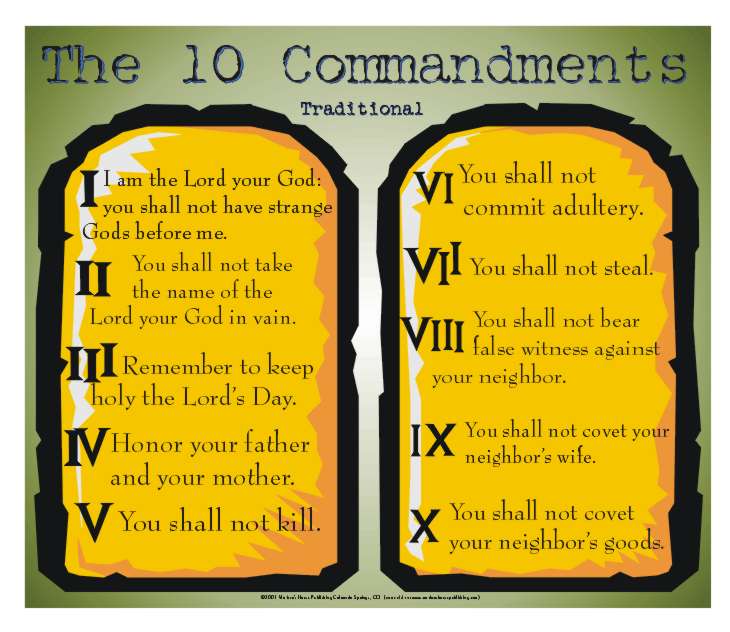
The Catholic Ten Commandments

CATHOLICS CHANGED THE TEN COMMANDMENTS

The Catholic Church knew the power of idols had on the people.  They wanted this power so they changed the Ten Commandments so that idol worship was NOT, NOT one of the commandments…


Here are the Ten Commandments according to the Catholics;

1.     I, the Lord, am your God. You shall not have other gods besides me.

2.     You shall not take the name of the Lord God in vain

3.     Remember to keep holy the Lord’s Day

4.     Honor your father and your mother

5.     You shall not kill

6.     You shall not commit adultery

7.     You shall not steal

8.     You shall not bear false witness

9.     You shall not covet your neighbor’s wife

10.   You shall not covet your neighbor’s goods

Point 1 –

Instead of remember the Sabbath and keep it holy …. they change the commandment to say, “remember to keep holy the Lord’s Day.”  And of course, according to them, the Lord’s Day is Sunday, not Saturday.   However it is very clear that the Old Testament commandment states “the Sabbath,” or Saturday.  Sunday has always been the day the pagans worshiped the Sun.

Point 2 –

Also, another major difference of their altered commandments is that they left out the commandment not to have any graven images of anything in the heaven, earth, and waters.

8 Thou shalt not make thee any graven image, or any likeness of any thing that is in heaven above, or that is in the earth beneath, or that is in the waters beneath the earth:

9 Thou shalt not bow down thyself unto them, nor serve them: for I the Lord thy God am a jealous God, visiting the iniquity of the fathers upon the children unto the third and fourth generation of them that hate me.

Deuteronomy 5:8-9

The Catholic church loves graven images because they know the people adore them and will be magnetized to their church because of them.  They had to remove that commandment.

Point 3 –

The Catholics also modified the last commandment.  To make ten commandments they split the last commandment not to covet anything of your neighbors and made two commandments out of it; Not to covet thy neighbors wife, and not to covet thy neighbors goods.  So, that makes ten.  The Catholics have ten commandments also.

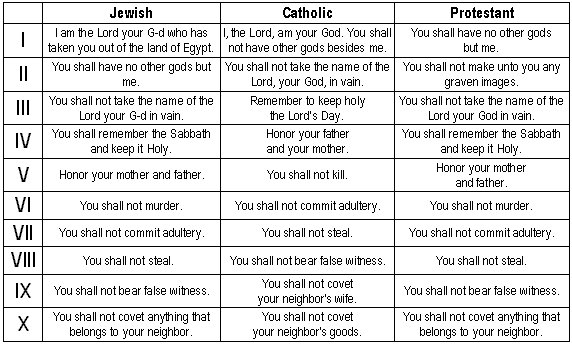
This is a chart from a Christian site.  They typically degrade Jews as falling short and themselves as they see themselves as so inspired knowing “the truth” and being saved.  Here they show the Jewish commandments as having left out the no graven images commandment, and this is done knowing that this not accurate.  Jews are very adamant about not having anything close to a graven image as commanded in Exodus Chapter 20:4 to 6  and in Deuteronomy Chapter 5:8 to 10.  Jews will not even have graven images of any political leader no matter how great or even graven images of their children.  No graven images period (flat pictures are O.K.)!

The Christians are so inspired they don’t even state a commandment for number one in the Jewish column.

Ten Commandments comparisons

Exodus Chapter 20:4 to 6

4–6 “You shall not make for yourself a carved image, or any likeness of anything that is in heaven above, or that is in the earth beneath, or that is in the water under the earth. You shall not bow down to them or serve them, for I the LORD your God am a jealous God, visiting the iniquity of the fathers on the children to the third and the fourth generation of those who hate me, but showing steadfast love to thousands of those who love me and keep my commandments.

Deuteronomy Chapter 5:8 to 10

8–10 “‘You shall not make for yourself a carved image, or any likeness of anything that is in heaven above, or that is on the earth beneath, or that is in the water under the earth. You shall not bow down to them or serve them; for I the LORD your God am a jealous God, visiting the iniquity of the fathers on the children to the third and fourth generation of those who hate me, but showing steadfast love to thousands of those who love me and keep my commandments.

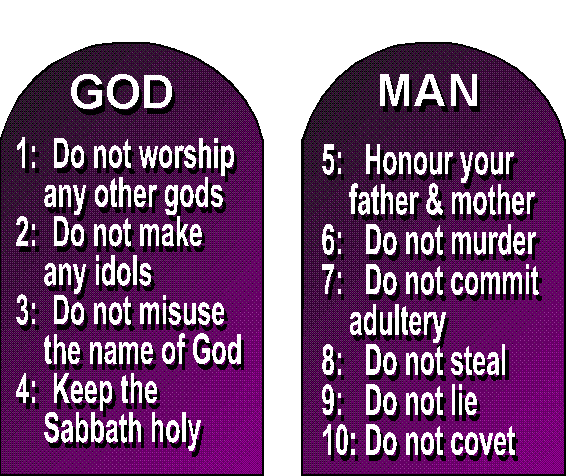
Christians are violating at least 4 of the Ten Commandments on a continual basis!

  1. You shall not make for yourself any graven image, nor any manner of likeness, of any thing that is heaven above, or that is in the earth beneath, or that is in the water under the earth (Idols of Crosses, Statutes of Jesus, Mary, & Saints)
  2. No false Gods before me (three Gods in one God, Jesus (a man) is God)
  3. Take the name of God in vain (Jesus born of a virgin is God in the flesh, Jesus is the son of God)
  4. Remember the Sabbath, to keep it holy (Keep the Sundayath)

Look around you at the Results from the violations.

ten commandments

ten commendments

Teaser Image
supporting cast

Supporting Cast

Supporting Cast Members

 
supporting cast

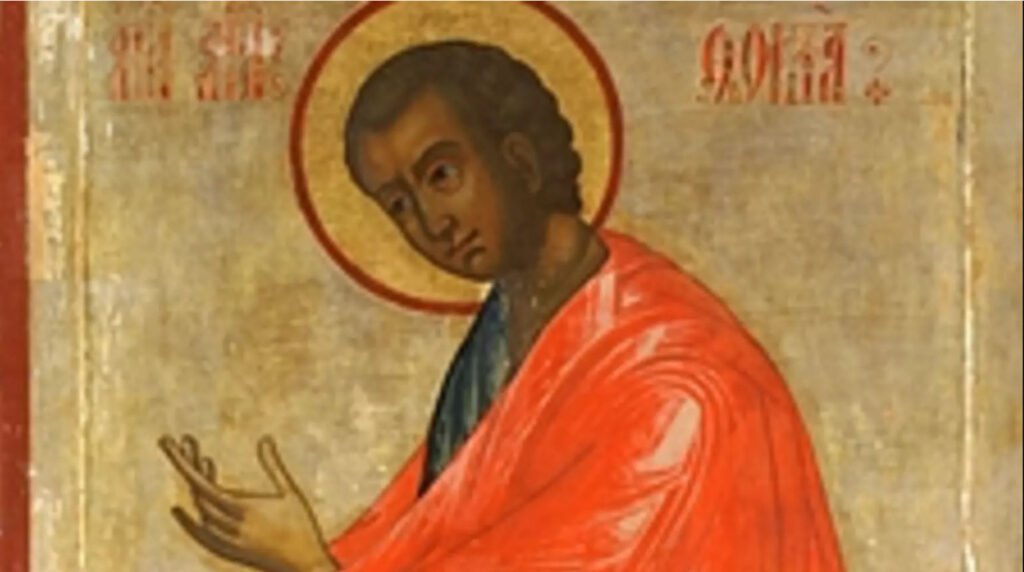
Matthew the Scribe

Matthew was one of the apostles.  He is pictured with an angel standing next to him dictating what he was to write.  The character seems to be copied from the Egyptian Story concerning Lord Horus.  Taht-Matiu was the scribe of the gods.  The lion is the symbol attributed to Matthew which is the zodiac symbol of Egyptian month Taht-Matiu (Thoth).

Tradition makes Matthew the eighth of the apostles and and Esmen (eighth) is the title of Taht-Matiu.  After Judas was no longer an apostle, Matthias was chosen to fill the place of the traitor.  In the Egyptian story Matiu (Taht) succeeded Sut [Set] and took his place after the betrayal of Osiris.  Matthew wrote "inspired" writings and Taht-Matiu wrote the Ritual, the Hermetic (inspired) by inscribing in hieroglyphics by the finger of Mati himself.

Luke

He was not one of the apostles.  He was said to be a physician or Therapeut.  He was a "doctor" of the Church.  Luke is said to have traveled to Greece, Macedonia, Jerusalem, and Rome as a companion of Paul.  This is doubted by many scholars.  The name Luke in the original Greek is Lykos, another name for Apollo, the god of healing.

Just another example of using a god name of another belief group to make their transition easier into the Catholic (means universal) Church.

Mark

He was not one of the apostles.  he served as the scribe of Peter.  As one of the four writers of the gospels he represented one of the cardinal points of the zodiac.  This is admitted by  Irenaeus.  The gospel writers are represented in Christian Cathedrals as the four creatures of the apocalypse: the man, the ox, the lion, and the eagle.  These are the astrological symbols of Aquarius,  Taurus, Leo, and Scorpio.  Mark is depicted as Leo the lion, summer.


..........................coming soon...the following .......................

Thomas the Twin

One of the twelve apostles

Andrew

One of the twelve apostles

Philip

One of the twelve apostles

Bartholomew

One of the twelve apostles

James the Brother, the younger

One of the twelve apostles

James the Greater

One of the twelve apostles

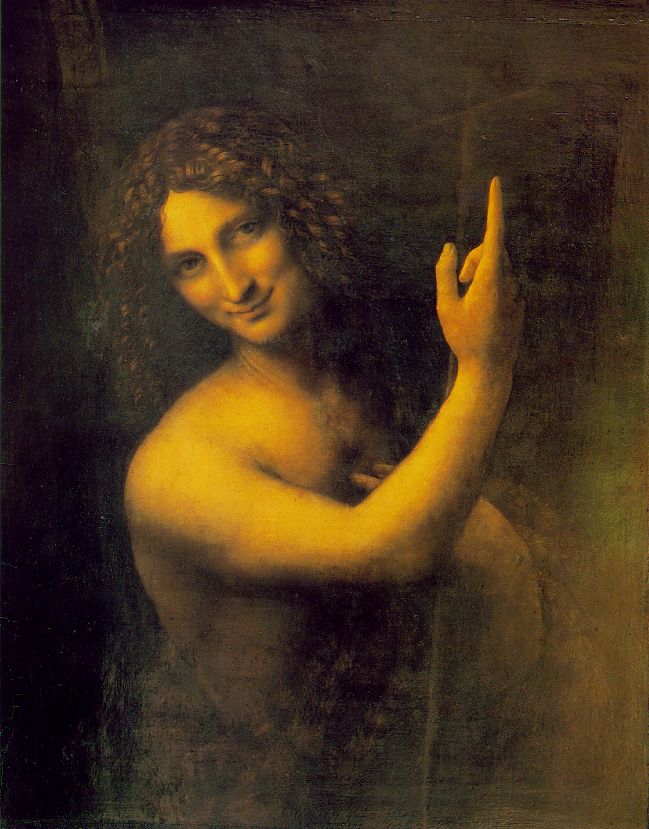
John the Baptist

A Roman Catholic Saint. Born the son of Zachariah, a Temple priest, and his wife Elizabeth, who was a cousin or aunt of Mary, the mother of Jesus. Tradition has it he was born very late in his parents' lives, after it had been accepted that theirs would be a barren union. He was apparently born between six and twelve months before Jesus.

He was to become known as ‘the Precursor' whose role it would be to announce the coming of Jesus. Traditionally, John began his ministry by proclaiming the coming of the Messiah. He gathered a large following, whom he then baptized them in the River Jordan.

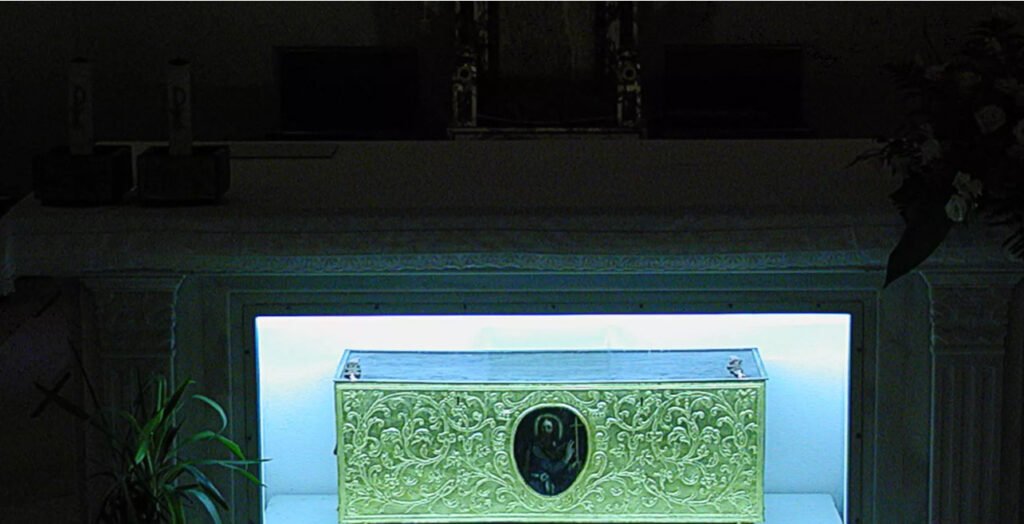
Burial Site  =     Damascus, City of Damascus, Damascus, Syria

Virgin Mary

Mary Magdalene

Three Wise Men

3 Marys at Crucifixion

Teaser Image
Jphn the baptist

Where is John the Baptist

John the Baptist is Where?

 
Head of John the Baptist

JOHN THE BAPTIST REMAINS ARE IN ... FRANCE,  ITALY,  VATICAN,  DAMASCUS,  ISTANBUL,  MUNICH,  AND  GREECE.

France 

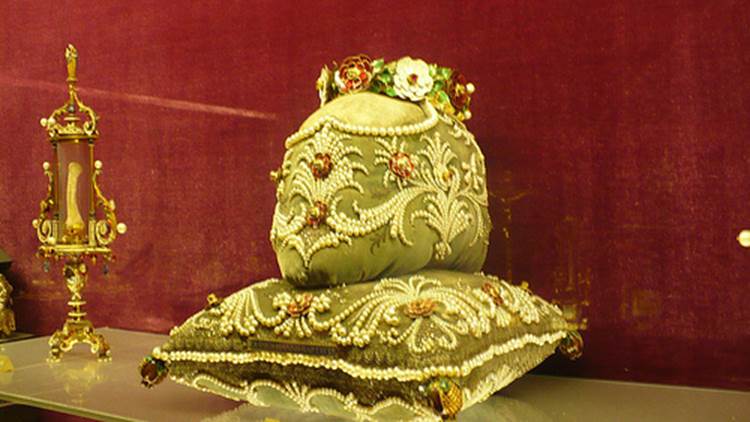
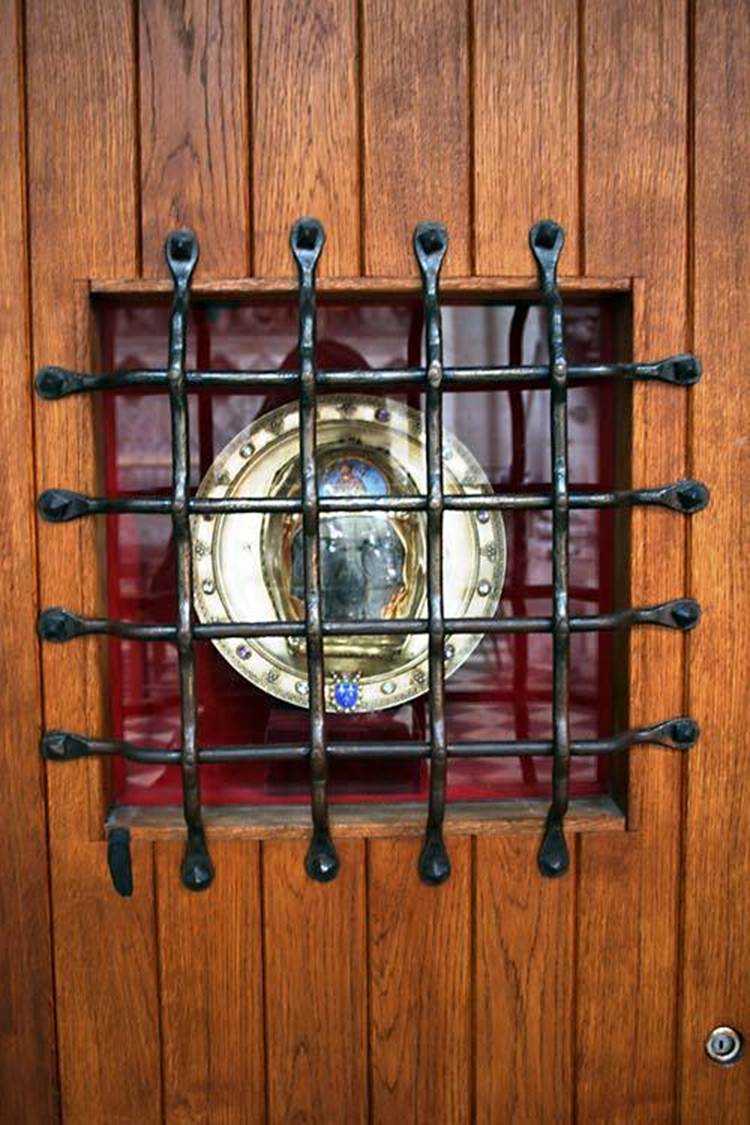
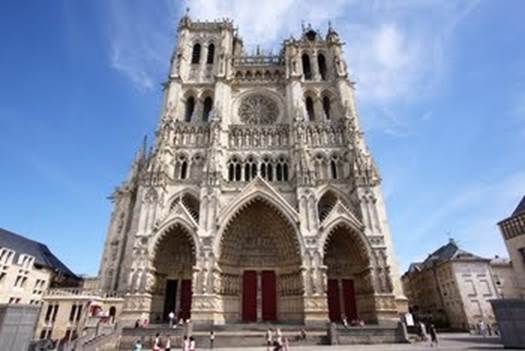
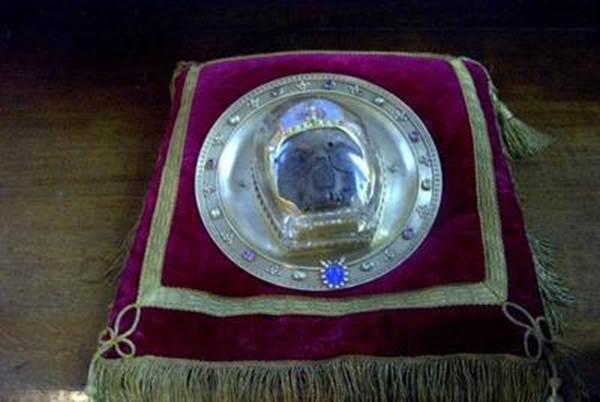
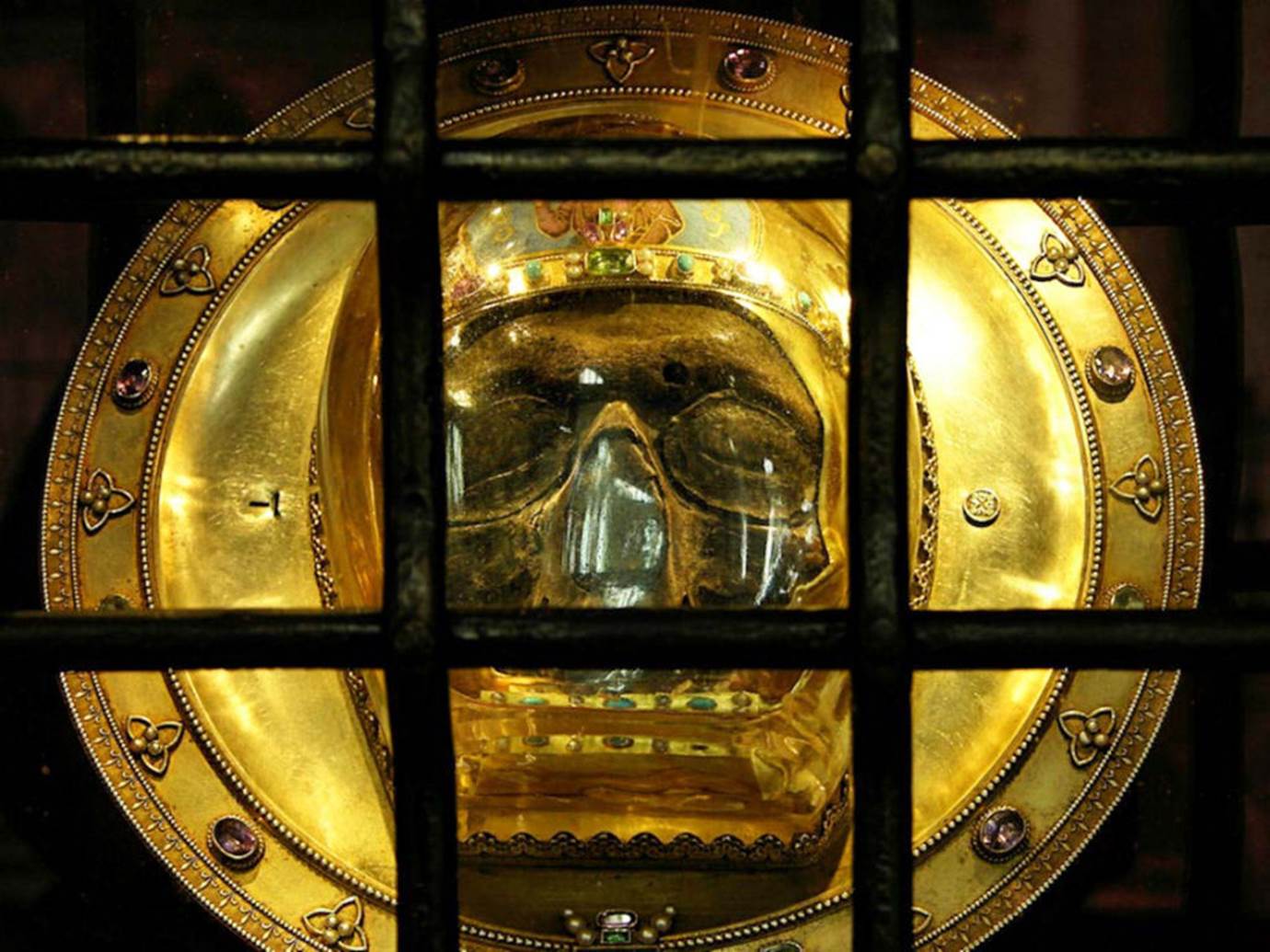
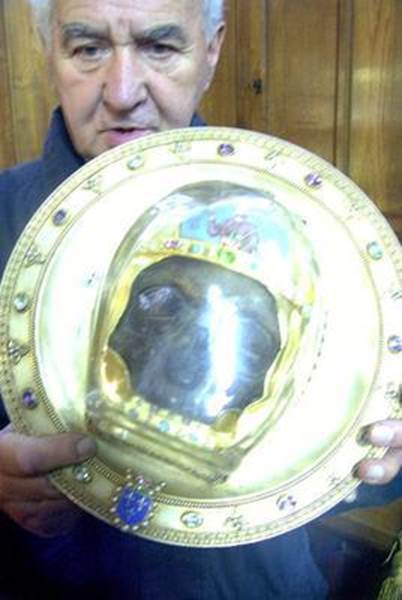
The Catholic Church of Amiens in France have kept John the Baptists skull on a plate.

John the baptist

Jesus explains there have never been a greater man than John the Baptist walking the Earth. Still a Catholic Church in France, feels the need to keep a skull on a plate, and claims it is the very head of the baptist.

Surely this picture is insane enough. But just as the Catholic World is grasping for fresh air, there is an Italian claim, that the skull of the baptist is only to be found in Church of S.Sivestro in Rome. Not to be outdone by this,  the backside of the skull of John the Baptist has been kept in the city of the Vatican. And this piece of the head can be adored and venerated at a glass mounter.

Lets start with the photos from the Church in France.

Amiens cathedral

The Amiens Cathedral in France.

head on platter

The half skull kept on a pillow, and presented on a platter.

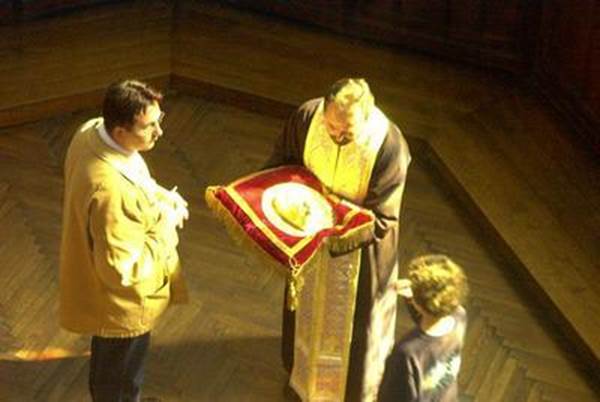
Head for veneration

The head taken out for adoration and veneration.

This is the official Catholic story:

The head of John the Baptist on display in Amiens Cathedral. The relic was brought back from Constantinople (today is Istanbul) in 1206 after the sacking of the city by the Fourth Crusade.

head of John the baptist

But most of the time kept safely behind bars.

copying Herodius

I do not think this Frenceman knows how this copying of Herodias looks.

The best site with photos of this skull, is made by an Orthodox “Christian”. Take alook.

Since both Rome and a city in France is involved here, we have a problem with a dual claim to the same head. It is worth noting that both these two Catholic Churches admit that they do support the story of Catholic priests who have fought over a skull, and broken it into at least two pieces.

Rome

The skull, or the head of John the Baptist, is nevertheless
not so “impressive” inside the Church in the city of Rome. Lets take a look:

half skull

The half skull, the backside, of claimed to be John the Baptist. St. Sylvester Church in Rome.

St Sylvester church

St. Sylvester Church in Rome

Who, if not Papal priests, have divided the skull of John the Baptist into two pieces?

And the skull might have been cut in three, with one piece left in Turkey. Please keep on reading.

This is surely one of the most bizarre example of Church adoration and veneration of any item. Two half skulls, separated by two national borders, by two Churches that both have the Pope as their head.

Damascus

But this story does not end here. To make the legacy of John the Baptist more complicated, the Grand Mosque of Damascus Syria also claim to have the head of John the Baptist. This head is kept in a small chapel inside the Islamic dome. What?

Damascus mosque

at mosque

John the Baptist in the Mosque in Damascus, at least with the back turned towards us. Because I guess he has been kept reading verses from the Koran on the wall.

This amazing picture from a Mosque, can be viewed at this site.

The official Syrian version:

Sheltered inside the mosque is the small chapel and shrine of John the Baptist (Prophet Yahia to the Muslims) where tradition holds that the head of John is buried. One legend says that when the church was demolished, his head was found underneath, complete with skin and hair. This head is believed by some to possess magical powers and continues to be the focus of the Mandaeans’ annual pilgrimage, when they press their foreheads against the metal grill of the shrine and reportedly experience prophetic visions.

chapel in mosque

Interesting photo from Damascus. Did you know there are chapel’s inside Mosques.


Catholics should flock to the Mosque in Damascus, and try to get a pieces of the “holy” head. There might even be some prophetic vision left.

Munich

And there is also a forth claim to the head, of the Jew who baptized the savior of the World.  This head is kept in a Museum in the German city of Munich. In the Residenze, a castle belonging to the past Catholic Kings of Bavaria.

head in Munich

The most funny head you have ever seen. Or have the royals packed the skull, to avoid children getting nightmares after visiting this castle in Munich?

Bavaria castle

Just like king Herod, Catholic Kings of Bavaria lived in this castle. They both claimed to hold the head of John the Baptist.

If is of course difficult to understand, what is so special about people who keep the head of John the Baptist on a platter.

It was only the completely wicked and evil wife of King Herod who took pleasure in such a gruesome sight. And probably also King Herod and his staff and followers.

Why do our modern day Church goers want to share her joy, and probably also Herodias final destination?

It is bad enough to see four different institutions trying to convince the World, they they have the genuine skull.  The story will eventually fall into the deepest pit of perversion, if a handful of Catholic and Orthodox Churches claim they have collected parts of his headless body.

These claim presented by religious people, should leave the World’s best pathologists speechless.

The Ottoman Empire did not only manage to slaughter and kill 1,5 million Armenians in the bloodiest genocide prior to the Holocaust. In Topkapi Palace Museum in Istanbul, modern day Turkey claim they have both John the Baptist's right arm, and a part of his skill. In fact, the top of his skull.

Golden container

Can anyone really buy the story of whose remains are inside this golden container?

skull relic

Istanbul

There are claimed to be remains of the baptists, held by a Museum in Istanbul.

I am sure many Muslims will be puzzled by the fact, that Islam collects such items for adoration. The same Museum also claims to be the correct holder of some of Muhammad’s beard. The Islamic relics do not look very different from the Catholics relics.

The problem with the Turkish claim of holding the right arm of John the Baptists, is that an Greek Orthodox Church claims to have the very same hand in its collection of relics.

Greek

right hand

The right hand of John the Baptist can simply not be in two different places at the same time.This is the Greek version of what looks like an idol hand of gold.

Cloister

And, the Hellenists claims the remains of John are in this cloister in Greek.

Bulgaria

And a Orthodox Church in Bulgaria recently claims they found one tooth of the Baptist.

tooth of John

Does this Bulgarian box hold a 2.000 year old tooth, and is it one of the teeth of John the Baptist.

The story of the corrupt Catholic word on relics could continue for years. But there is surely a limit of how much gulibility people can accept.

Teaser Image
tribes

Tribes NOT Correct

New Testament Tribes NOT Correct

 
tribes encampment

New Testament Tribes NOT correct


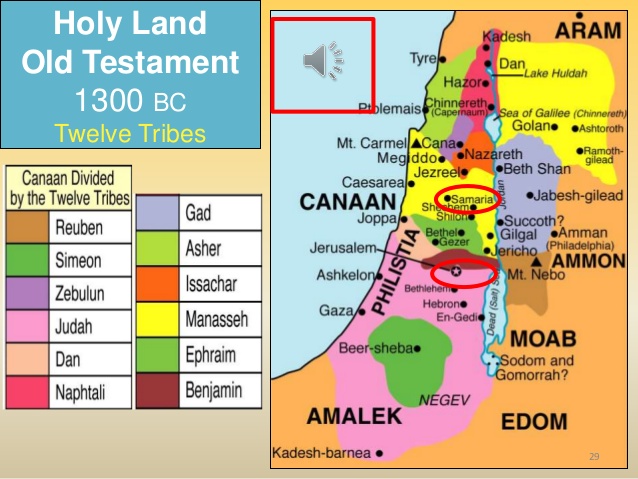
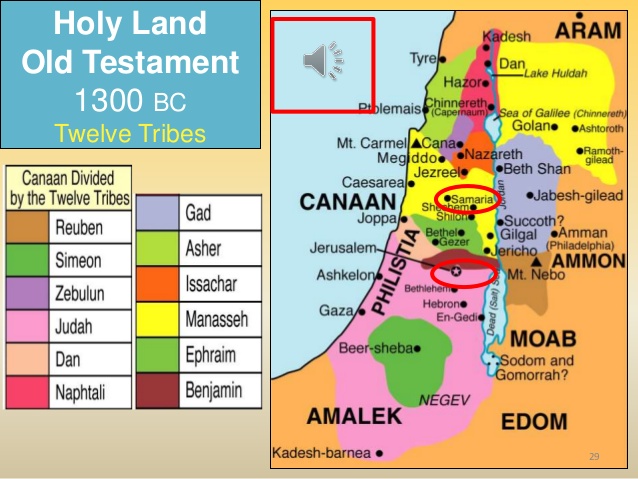
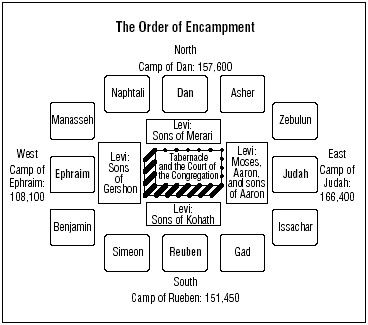
Deuteronomy 27:12–13 lists the twelve tribes:

  • Reuben

  • Simeon

  • Levi

  • Judah

  • Issachar

  • Zebulun

  • Dan

  • Naphtali

  • Gad

  • Asher

  • Joseph (later split into the "half-tribes" of Ephraim and Manasseh)

  • Benjamin


In the vision of the writer of the Book of Revelation 7:1-8 lists the twelve tribes:

  • Judah

  • Reuben

  • Gad

  • Asher

  • Naphtali

  • Manasseh

  • Simeon

  • Levi

  • Issachar

  • Zebulun

  • Joseph

  • Benjamin

tribes encampment

Teaser Image
apostles

Apostles NOT Straight


Apostles Not Straight


12 ASTROLOGICAL SIGNS

12 Houses the Sun passes through every day

12 Hours in the day

12 hours in the night

12 Patriarchs

12 Disciples of Jesus

12 Tribes of Israel

12 gods of the Romans who each presided over a month

12 gods of the Greeks, Egyptians, the Persians

12 Herculean tasks

12 Helpers of Horus

12 "Generals" of Ahura-Mazda

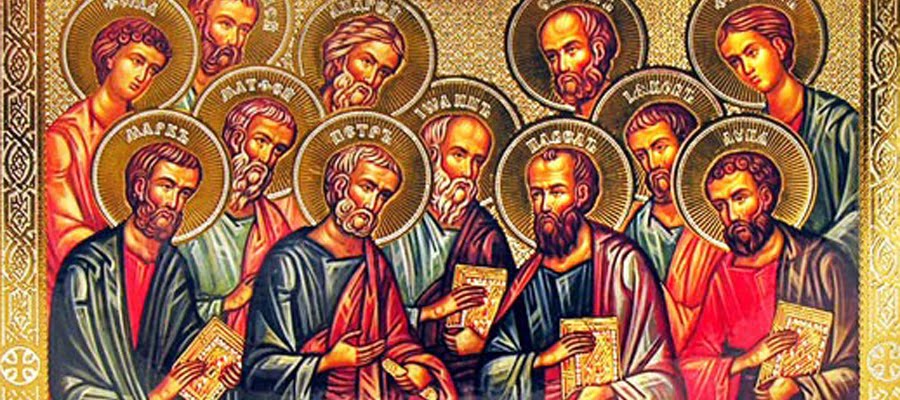
Get the Disciples Straight

Nathaniel – a disciple in John 1:43-49 -- but -- NOT in Book of Mark, or Book of Matthew, or Book of Luke, or Book of Acts.

Joseph of Arimathea – a disciple in Book of John -- but -- NOT in Book of Mark, or Book of Matthew, or Book of Luke, or Book of Acts.

Later, Joseph of Arimathea asked Pilate for the body of Jesus. Now Joseph was a disciple of
Jesus, but secretly because he feared the Jewish leaders. With Pilate’s permission, he came and took the body away. John 19:38

Disciple Jesus Loved – described in Book of John -- but -- NOWHERE ELSE. Name was hidden.

... disciple whom Jesus loved ... John 13:23,  John 19:26,  John 20:2,  John 21:7,  John 21:20

Thaddeus – a disciple in Books of Mark and Matthew -- but -- NOT in Book of Luke, or Book of John, or Book of Acts.

Philip and Bartholomew; Thomas and Matthew the tax collector; James son of Alphaeus, and Thaddaeus;      Matthew 10:3

Andrew, Philip, Bartholomew, Matthew, Thomas, James son of Alphaeus, Thaddaeus, Simon the Zealot        Mark 3:18

Simon – is called the Canaanite in Books of Mark and Matthew. He is called the zealot in Book of Mark, Book of Luke, and Book of Acts. In the Book of John there is NO Simon apostle, but Judas is called the son of Simon.

Judas – In John 6:71 it describes Judas as the son of SIMON. Book of Luke described TWO Judas’. Book of Acts 1:13 described Judas as the son of JAMES.

(He meant Judas, the son of Simon Iscariot, who, though one of the Twelve, was later to betray him.)     John 6:71

When they arrived, they went upstairs to the room where they were staying. Those present were
Peter, John, James and Andrew; Philip and Thomas, Bartholomew and Matthew; James son of Alphaeus and Simon the Zealot, and Judas son of James.     Acts 1:13

Only one Judas is described in Books of Mark, Book of Acts, and Book of Matthew.

Two Judas’ – described in Book of John and the Book of Luke. The second Judas in Book of John is described as “not Isacariot.” The second Judas in the Book of Luke and the only Judas mentioned in the Book of Mark and Book of Matthew is described as “Isacariot.”

Judas saith unto him, not Iscariot, Lord, how is it that thou wilt manifest thyself unto us, and not
unto the world?      John 14:22

The Book of John and Acts only named eleven disciples!

After Judas killed himself, they had to keep the number of apostles to only twelve so they drew straws to see who would replace Judas.

Then they prayed, “Lord, you know everyone’s heart. Show us which of these two you have chosen to take over this apostolic ministry, which Judas left to go where he belongs.” Then
they cast lots, and the lot fell to Matthias; so he was added to the eleven apostles..     Acts 1:24-26

Paul elected himself as an apostle.

The 12th Member of Apostles

The lists of the Twelve Apostles are different: 

Luke 6:13-16 and Acts 1:13  list Judas the brother of James as an apostle.

13 When morning came, he called his disciples to him and chose twelve of them, whom he also designated apostles: 14 Simon (whom he named Peter), his brother Andrew, James, John, Philip, Bartholomew, 15 Matthew, Thomas, James son of Alphaeus, Simon who was called the Zealot, 16 Judas son of James, and Judas Iscariot, who became a traitor.     Luke 6:13-16

13 When they arrived, they went upstairs to the room where they were staying. Those present were Peter, John, James and Andrew; Philip and Thomas, Bartholomew and Matthew; James son of Alphaeus and Simon the Zealot, and Judas son of James.      Acts 1:13

Matt 10:3 and Mark 3:18 list does not include Judas, instead lists Thaddeus as the apostle.

Philip and Bartholomew; Thomas and Matthew the tax collector; James son of Alphaeus, and Thaddaeus;      Matt 10:3

16 These are the twelve he appointed: Simon (to whom he gave the name Peter), 17 James son of Zebedee and his brother John (to them he gave the name Boanerges, which means “sons of thunder”), 18 Andrew, Philip, Bartholomew, Matthew, Thomas, James son of Alphaeus, Thaddaeus, Simon the Zealot 19 and Judas Iscariot, who betrayed him.     Mark 3:16

How did Jesus Choose his Disciples?

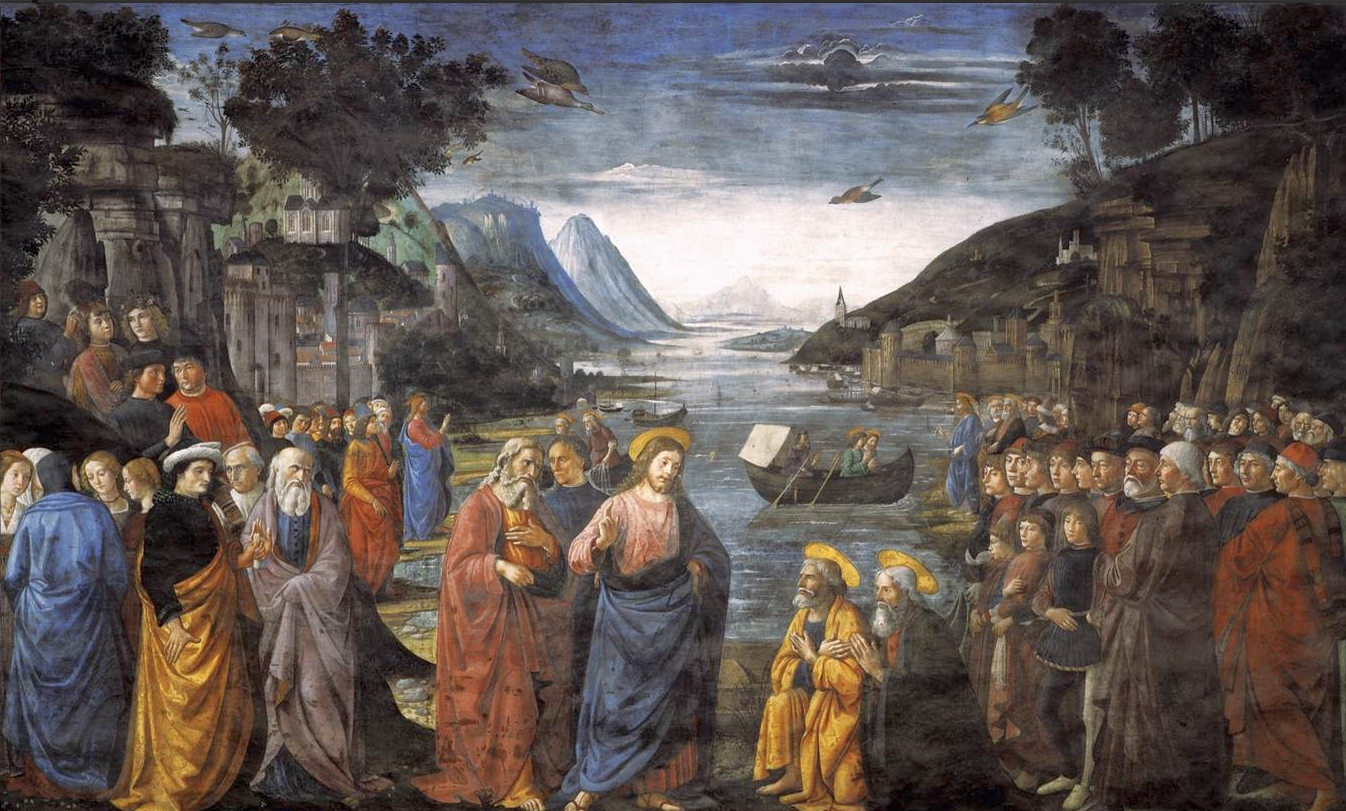
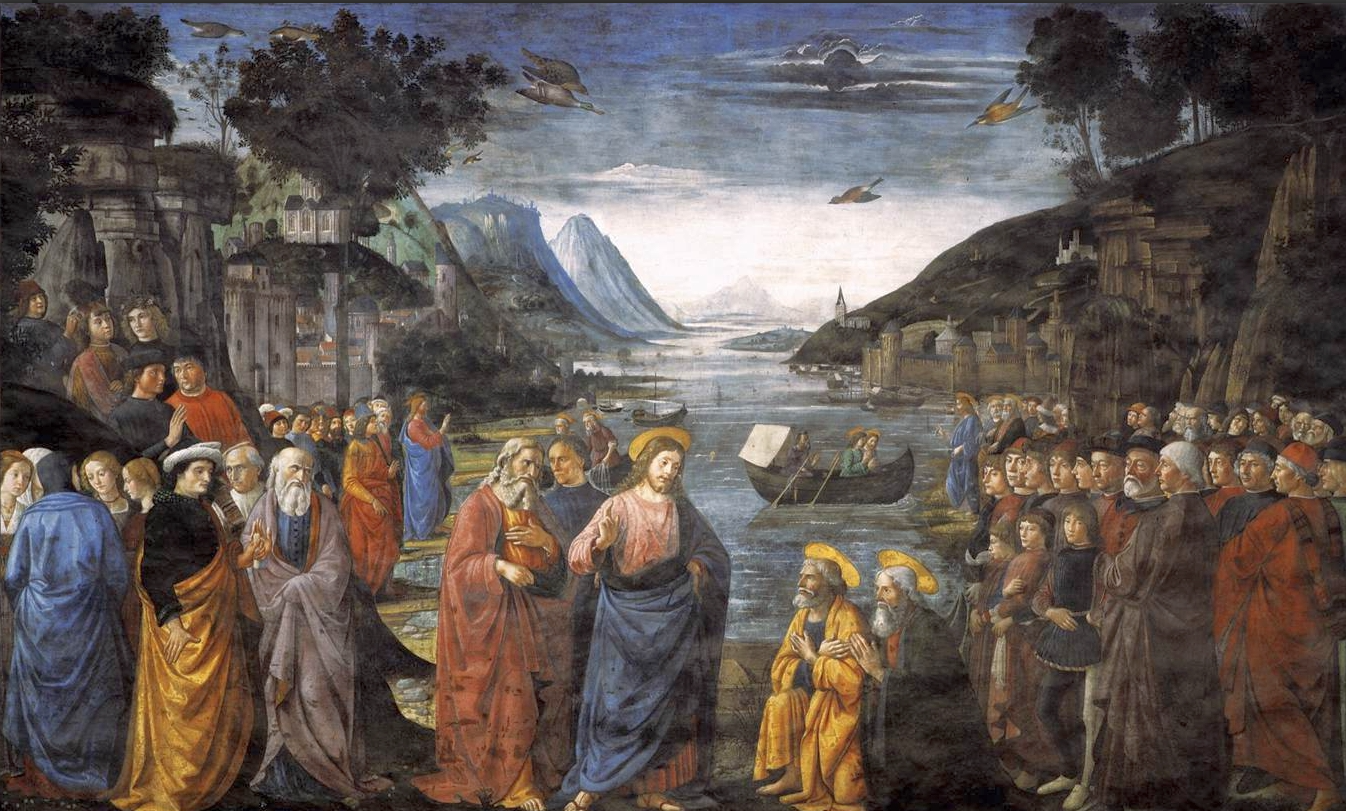
The Books of Matthew and John say that Jesus chose his disciples several at a time from different locations.

The Books of Mark and Luke say NO, the disciples were all chosen at once.

A - Matthew & John - different times & locations:

One or two of his brothers (uncertain), fishermen from Galilee, several followers of John the Baptist, etc.

As Jesus was walking beside the Sea of Galilee, he saw two brothers, Simon called Peter and his brother Andrew. They were casting a net into the lake, for they were fishermen.     Matthew
4:18

Going on from there, he saw two other brothers, James son of Zebedee and his brother John. They were in a boat with their father Zebedee, preparing their nets. Jesus called them,      Matthew 4:21

Then a teacher of the law came to him and said, “Teacher, I will follow you wherever you go.”
Matthew 8:19

When the two disciples heard him say this, they followed Jesus. John 1:37

Andrew, Simon Peter’s brother, was one of the two who heard what John had said and who had
followed Jesus. John 1:40

The next day Jesus decided to leave for Galilee. Finding Philip, he said to him, “Follow me.”
John 1:43

B - Mark & Luke - all at once:

"Called unto him his disciples and of them he chose twelve."

One of those days Jesus went out to a mountainside to pray, and spent the night praying to
God. When morning came, he called his disciples to him and chose twelve of them, whom he
also designated apostles: Luke 6:12-13

Jesus went up on a mountainside and called to him those he wanted, and they came to him. He
appointed twelve that they might be with him and that he might send them out to preach      Mark
3:13-14

Who was it at the Receipt of Custom?

Who was the man sitting at the receipt of custom that Jesus called to be his disciple?

Matthew: It was Matthew

As Jesus went on from there, he saw a man named Matthew sitting at the tax collector’s
booth. “Follow me,” he told him, and Matthew got up and followed him.    Matthew 9:9

Mark: NO, it was Levi

As he walked along, he saw Levi son of Alphaeus sitting at the tax collector’s booth. “Follow
me,” Jesus told him, and Levi got up and followed him.      Mark 2:14

The author of the Book of Matthew doesn’t seem to be Matthew. Why would he use his name as it it were someone else instead of the first person “me”?

Paul’s Apostles Total 14

Paul in his writings described the people who saw Jesus after he had “risen.”

… he [Jesus] was seen by Cephas, and afterwords by the twelve … then he was seen by James, and afterwards by all the apostles.      1 Corinthians 15:5-7

A question for Paul is, Are "the twelve" different than "the apostles???” Cephas is associated with “the twelve” so that makes 13 total.

If you include the self-proclaimed apostle Paul, that would make 14 total

Teaser Image
many virgin marys

Prior Virgin Marys

The Many Virgin Marys of the World

 
many Virgins

The Council of Ephesus (A. D. 431) declared Mary "Mother of God," her assumption being declared in 813, and her Immaculate Conception by the Pope and Council in 1851 — after all, the previous religions had one.  It was almost universal, for ages before the purported birth of Jesus, and "the pure virginity of the celestial mother was a tenet of faith for two thousand plus years before the western Virgin Mary now adored was ever born.

In almost every Roman Catholic Church on the continent of Europe may be seen pictures and statues of Mary, the "Queen of Heaven," standing on the crescent moon, and her head surrounded with twelve stars. 

India

Devi, Maha-Devi—"The One Great Goddess" —and have temples erected in honor of her.  Scholar Gonzales states that among the Indians he found a temple "Parituræ Virginis"—of the Virgin about to bring forth a child. 

Countries of the Orient

Maya, was the mother of Buddha, Devaki was the mother of Crishna.  They were both worshiped as virgins.  They are both represented with the infant Saviours in their arms, just as the virgin of the Christians is represented at the present day.  Maya was so pure that it was impossible for God, man, or Asura to view her with any carnal desire.   

"No person could bear to gaze upon Devaki, because of the light that invested her." "The gods, invisible to mortals, celebrated her praise continually from the time that Vishnu was contained in her person."

Chinese

The Chinese have several virgins they worshiped.  At Canton worshiped an idol, to which they gave the name of "The Virgin."  

"Upon the altars of the Chinese temples were placed, behind a screen, an image of Shin-moo, or the 'Holy Mother,' sitting with a child in her arms, in an alcove, with rays of glory around her head, and tapers constantly burning before her." 

Shin-moo is called the "Mother Goddess," and the "Virgin." Her child, who was exposed in his infancy, was brought up by poor fishermen. He became a great man, and performed wonderful miracles.

In wealthy houses the sacred image of the "Mother Goddess" is carefully kept in a recess behind an altar, veiled with a silken screen.  The Rev. Mr. Gutzlaff, in his "Travels," speaking of the Chinese people, says: "Though otherwise very reasonable men, they have always showed themselves bigoted heathens. . . . They have everywhere built splendid temples, chiefly in honor of Ma-tsoo-po, the 'Queen of Heaven.'" 

Egypt

Isis, mother of the Egyptian Saviour, Horus, was worshiped as a virgin.    The religious monuments of Egypt have the infant Horus seated in the lap of his virgin mother. She is styled "Our Lady," the "Queen of Heaven," "Star of the Sea," "Governess," "Mother of God," "Intercessor," "Immaculate Virgin,"

The most common representation of Horus is being nursed on the knee of Isis, or suckled at her breast.  Also in statues and basso-relievos, when Isis appears alone, she is entirely veiled from head to foot, in common with nearly every other goddess, as a symbol of a mother's chastity.

The Christian Virgin Mary seen with child in arms and standing on a cresecent moon is a complete identification with Isis and Horus." This crescent moon is the symbol of Isis and Juno, and is the Yoni of the Hindoos

The Christian Father Epiphanius accounts for the fact of the Egyptians worshiping a virgin and child, by declaring that i was a prophecy that was revealed to them —"Behold, a virgin shall conceive and bring forth a son"

The Egyptian Isis was also worshiped in Italy, many centuries before the Christian era, and all images of her, with the infant Horus in her arms, have been adopted by Christians.

Babylonians and Assyrians

The ancient Babylonians and Assyrians worshiped a goddess mother, and son, who was represented in pictures and in images as an infant in his mother's arms . Her name was Mylitta, the divine son was Tammuz, the Saviour, whom we have seen rose from the dead. He was invested with all his father's attributes and glory, and identified with him. He was worshiped as mediator.

Etruscans

They worshiped a Virgin Mother and Son, goddess Nutria.  Virgin Mother and Son, was represented in pictures and images a son in the arms of his mother.  There is ruins of a temple dedicated to her.  "To the Great Goddess Nutria," is an inscription which has been found among the ruins of the temple.  This goddess was also worshiped in Italy. Long before the Christian era.

Israel

The children of Israel, who, were idolaters of the worst kind—worshiping the sun, moon and stars, and offering human sacrifices to their god, Moloch—were also worshipers of a Virgin Mother, whom they styled the "Queen of Heaven."

Jeremiah, the prophet 625 B.C., rebuked the Israel idol worshipers.  

16 As for the word that thou hast spoken unto us in the name of the Lord, we will not hearken unto thee.

17 But we will certainly do whatsoever thing goeth forth out of our own mouth, to burn incense unto the queen of heaven, and to pour out drink offerings unto her, as we have done, we, and our fathers, our kings, and our princes, in the cities of Judah, and in the streets of Jerusalem: for then had we plenty of victuals, and were well, and saw no evil.

18 But since we left off to burn incense to the queen of heaven, and to pour out drink offerings unto her, we have wanted all things, and have been consumed by the sword and by the famine.

19 And when we burned incense to the queen of heaven, and poured out drink offerings unto her, did we make her cakes to worship her, and pour out drink offerings unto her, without our men?

20 Then Jeremiah said unto all the people, to the men, and to the women, and to all the people which had given him that answer, saying,

21 The incense that ye burned in the cities of Judah, and in the streets of Jerusalem, ye, and your fathers, your kings, and your princes, and the people of the land, did not the Lord remember them, and came it not into his mind?

22 So that the Lord could no longer bear, because of the evil of your doings, and because of the abominations which ye have committed; therefore is your land a desolation, and an astonishment, and a curse, without an inhabitant, as at this day.        Jeremiah, 44:16-22.

Persians

Persians worshiped the Virgin and Child.  They erected monuments of Mithra the Virgin.  She is seen suckling her child.

Greeks and Romans

Greeks and Romans worshiped the Virgin Mother and Child for hundreds of yeasrs before the Christians came into existence.  Myrrha, the mother of Bacchus who had the title of "Queen of Heaven."

Minerva, who went by the title of "Virgin Queen," was worshiped in ancient Greece. 

Juno was called the "Virgin Queen of Heaven." 

Diana, who had the title of "Mother," was nevertheless famed for her virginal purity.

Muscovites

Muscovites worshiped a sacred three, composed of a woman with a male child in her lap, and another standing by her. Her title was "Queen of Heaven."  This group was also symbolized by an animal symbol called the "Golden Heifer."

Ancient Germans

The ancient Germans worshiped a virgin goddess under the the name of Hertha, or Ostara.  She was represented in images as a woman with a child in her arms.

Ancient Scandinavians

The ancient Scandinavians worshiped a virgin goddess called Disa.  The ancient Scandinavians also worshiped the goddess Frigga. She was mother of "Baldur the Good," his father being Odin, the supreme god of the northern nations.

Ancient Gual, Druids

In Gaul, the ancient Druids worshiped the Virgo-Paritura as the "Mother of God," and a festival was annually celebrated in honor of this virgin.

Mexico

This mother, who had the title of "Virgin," and "Queen of Heaven," [334:9] was Chimalman, or Sochiquetzal, and the infant was Quetzalcoatle, the crucified Saviour.  The annunciation to the Virgin Chimalman, that she should become the mother of the Saviour Quetzalcoatle, was the subject of a Mexican hieroglyphic.  She appears to be receiving a bunch of flowers from the angel.


Teaser Image
Mother Virgin Mary

Virgin Mary

Holy Blessed Virgin Mary, Mother of God


THE HOLY BLESSED VIRGIN MARY MOTHER OF GOD

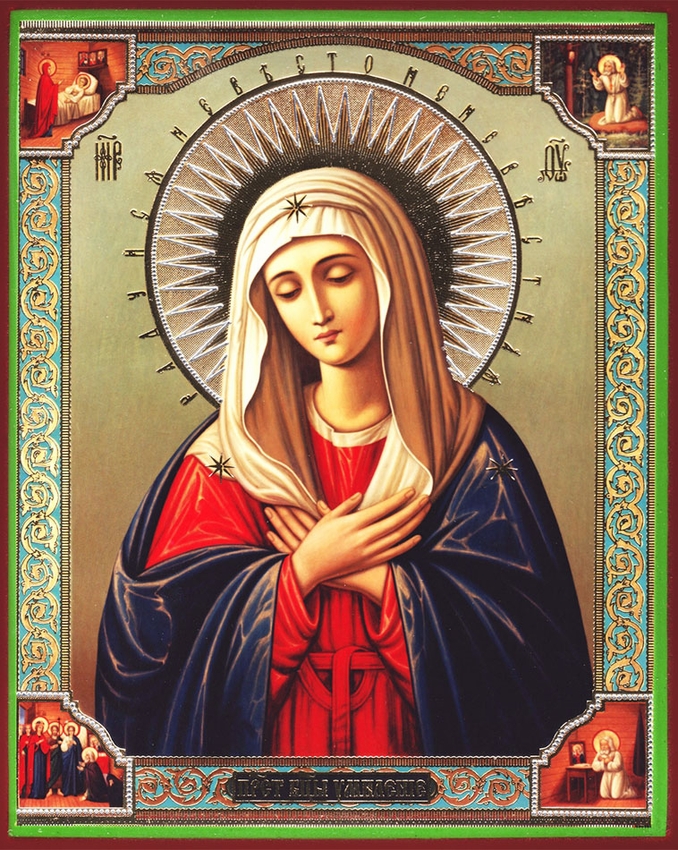
The “virgin” is revered more than Jesus by most Catholics all around the world. They will typically have a large statute of her in their house and no anything of Jesus. Many times they put a food offering at her feet. The most said prayer by the Catholics is the “Hail Mary”, (No..No, it’s not a football pass).

As far back as 200 CE it was said that Jesus was not born of a virgin. Ebionites agree (source=St Irenaeus, Heresies 1:26:1 2).

Virgin Mary

The oldest story in the world is of a virgin mother and a special newborn baby.

What??? There were others that were also born of a virgin???

In asian minor Attis was born of a virgin, Cybele.

In Syria, Adonis’ virgin mother is Myrrha.

In Alexandria Aion was born of the virgin Kore.

Marianune the Semitic God-Mother and Queen of Heaven Aphrodite-Mari

the Syrian version of Ishtar Juno the Blessed virgin

The Moerae or trinity of Fates

In Greece, Dionysus was born of a mortal virgin Semele, she wishes to see Zeus then is mysteriously impregnated by one of his bolts of lightning. 

In ancient Egypt the priests claimed that Queen Hatshepset was the offspring of the god Amon and a mortal mother.

Romulus founder of Rome was born of a virgin, a vestal Priestess and the god of Mars. (Ben Zion Bokser Judaisim and the Christian Predicament ; 1966, pg 254)

And that is just naming a few…

I guess Jesus wasn’t the first to be born of a virgin.

Diana Lucifera, the morning star goddess, was brought into the Catholic Church as the mother of Mary, named Anna or Dinah.

Mary Ascends to Heaven

Mary didn’t die!!!

Mary bodily ascended to heaven.  In heaven she is honored as the “Mother of God.”  In the exact same way Semele, the human mother of Dionysus ascended to heaven and is honored as an immortal just like her son God Dionysus.

The festival of the Assumption of the Virgin Mary is held in August close the same time as the Goddess of the Mysteries and have completely taken over their Pagan festival.  The pagan statues of Isis holding the divine child is exactly like the depictions of Mary and child typically referred to as Madonna and child.  Certain French Cathedrals in the middle ages had statutes of the black virgin Isis and child displayed and the Christians thought it was Mary and baby Jesus and were praying to the statutes.

The Three Marys

The early Christian tradition is that there were the three women that were the first witnesses of the empty tomb and the resurrected Jesus.    The three women were Mary Magdalene, Jesus’ companion, Mary the mother of James, and Salome.  The known writer Celsus, a pagan critic, acknowledges this in his writings.

Later sources says there were three Marys, were Mary Magdalene, Jesus’ companion, Mary the mother of James, and Mary the sister of Jesus.  The Gospel of John depicts these same three Marys at the foot of the cross at the crucifixion.

The three Marys seem to parallel the triple goddess of the pagan worlds.  At Eleusis she appeared as Demeter, Persephone, and Hecate.  This goddess appeared as the three fates, the three charities, and the three graces.

The three marys seem to parallel the three women priestess followers of the God Dionysus called the maenads.

There was also a group of three women disciples called the Oinotropio who had the ability to turn water into wine at the festivals of Dionysus.

The three Marys seem to parallel the three women led to a cave by Hermes the messenger of the Gods, just like the angel led the three Marys to the tomb of Jesus.

Super-Virgin


The First Act Pope Francis Does as Pope

Pope Francis

Hey Pope, what do you think about the Virgin Mary Story????

Pope Francis laughing

It is said that every family in Latin America has a statute of the Virgin Mary in their homes. Most homes do not have a statute of Jesus. Jesus icons are not revered anywhere near that of the statute of the Virgin Mary among the Latin American people.

“The first act I’m going to do as Pope … is to pray to the Virgin Mary.”

Jorge Bergoglio (Pope Francis 1)

When the people of Latin America heard this……they were ecstatic. . …..they said……”Now this is a pope that is close to our hearts.”

Man’s desire for idol worship is so great.

Mary Appears to Her Faithful ….

Virgin Mary in window

praying to virgin MaryBroken Mary

CLEARWATER – Nearly every day for the last eight years, Sam and Jean Meo have sat beneath the image of the Virgin Mary that adorned the glass windows of a Clearwater office building.

The iridescent figure became an international religious icon that drew hundreds of thousands of people after it was first noticed in 1996. Some, like the Meos, find a miraculous healing power beneath it.

Jean, 80, was expected to die after lung cancer surgery. Sam, 81, has endured three open-heart surgeries.

“I pray for her, she prays for me,” said Sam. “Prayer has been keeping me alive.”

But on Monday morning, the Meos looked up at their sacred Virgin to see she had been beheaded. The three windows that once held her face and veil had been knocked out.

Inside the building, the windows had been reduced to a pile of glass pebbles that glistened like sequins of purple, green and yellow.

“My heart just sank when I saw it,” said Rosie Reed, site leader for Shepherds of Christ Ministries, which owns the building. “It’s irreplaceable.”

Clearwater police said someone shot three small ball bearings at the windows early Monday morning. Police do not think the objects were shot with a gun, but also find it unlikely the ball bearings were thrown with such power by hand.

Investigators suspect a slingshot may have been used. Detectives planned to review video from a surveillance camera aimed at the figure each night. The video is streamed onto an Internet site 24 hours a day and recorded inside the building at night, though the tape may have run out before the vandalism occurred.

With no arrests or suspects, police were unsure if the damage was caused by juvenile pranksters or by vandals who targeted the figure for religious or cultural reasons. If it’s the latter, the suspects could be prosecuted for a hate crime.

“We don’t know who did it or why they did it,” said police spokesman Wayne Shelor.

Religion experts said the vandalism could have been an attack on Catholics, who view the mother of Christ as their intercessor with God.

“It’d be like someone attacking the American flag,” said Darrell Fasching, a professor in the department of religious studies at the University of South Florida. “It’s something that means a great deal to people, in this case religious rather than political. The attack on the image of the Virgin is an attack on God’s mercy and an attack on the religion.”

Some who visited Monday think it was motivated by hate because of the precision of the shots.

“Somebody meant to do this – because of the head,” said Largo resident Mary Pardy. “How they did it is beyond me.”

Some wondered if the vandalism might have been stirred by the film The Passion of the Christ.

“For me, it’s the reason,” David Gaurin, 32, of Tampa, said of the Mel Gibson film. “Somebody doesn’t have any hope. Nothing. People need to respect her, the mother of God.”

By Monday night, more than 100 people, some in tears, had come to the site. They lit candles, sang songs and prayed.

For some, the image is a curiosity. For others, it is a religious icon. To most, it should be respected.

“I’m not a religious person. I just think it is terrible that someone would destroy something that gives others so much hope,” said Michelle Goossen, 36, of Clearwater, who was crying as she took photos of the busted image Monday evening. “People have come here from all over the world.”

Ministry leaders said they planned to board up the broken windows Monday night, then possibly install new ones. Though some visitors expressed hope that God would redraw the Virgin Mary image on the windows, ministry leaders said they don’t expect that to happen.

“I think people will still come and hopefully they’ll pray more,” Reed said. “Six panes of the glass are still here. As long as she’s here, we’re here.”

The image was discovered in December 1996 when a customer of Seminole Finance Corp. noticed the rainbow-hued shape on the two-story building at U.S. 19 and Drew Street. When a TV station ran a story, the parking lot filled with believers.

Within three weeks, police estimated almost a half-million people had come to see the Virgin.

Over the years, the number of visitors slowed to a couple hundred a day.

In the summer of 1998, Cincinnati-based Shepherds of Christ Ministries leased the 22,000-square-foot building, then bought it for more than $2-million and called it “Our Lady of Clearwater.”

The image also is meaningful to Florida’s Hispanic community because it evokes the Virgin of Guadalupe, the patron saint of Latin America, and, according to locals, the protector of the 20,000 or so Mexicans living in Clearwater.

“The Mexican community is going to be devastated,” said Sonia Morales, a volunteer nurse at La Clinica Guadalupana, a clinic in Clearwater. “They are very spiritual and connected to the Virgin Mary.”

Every year on Dec. 12, several thousand Central and South Americans gather on the site to celebrate the feast of the Virgin of Guadalupe, which last year drew 6,000 people.

“I feel a personal attack … symbols like that are very important for us,” said Jose Vidales, who helps organize the event. “This is a symbol we left behind in Mexico and we found something very similar in Clearwater.”

The damage was discovered about 6:30 a.m. by a woman who is usually one of the first to the building every morning. She didn’t immediately report the broken windows because she believed ministry leaders knew about it.

Word eventually reached Reed, who at first tried to call the ministry president in Cincinnati. No one called police until 9:31 a.m., and that call came from someone out of state who saw the broken windows on the streaming-video Web site.

Police believe the ball bearings didn’t immediately shatter the glass, but rather caused the windows to splinter and spider-web, then gradually collapse in pieces from their frames. Two ball bearings were found on the ground outside the building.

This wasn’t the first time the building has been the target of vandals. In May 1997, someone threw an unknown liquid onto the windows, defacing the glass panels. The next month, two days of heavy thunderstorms washed away the blemishes, and the image of Mary remained.

Some visitors said even the defacing of such a precious religious icon should prompt people to search their hearts for forgiveness.

“I hope God forgives them,” said Arlene Livingston, 69, of Largo.

Others weren’t so gracious.

“I think whoever did this should be struck by lightning,” said Jim Sarelas, 78, a visitor from Illinois.

Whatever happens, the regulars said they would continue to visit. That includes Sam and Jean Meo.

Jean fell a few years back and fractured three bones in her back. She uses a walker these days and has to lie in bed for a while when she gets home.

During her lung cancer surgery three years ago, she grasped in her right hand a white rosary she received at the Virgin Mary.

“They can do what they want, they’re not going to make us weak,” Sam said of the vandals. “They’re not going to break my religion down.”

– Times staff writers Nora Koch, Adrienne Samuels and Megan Scott contributed to this report.


DEC. 17, 1996: A customer of Seminole Finance Corp. notices a rainbow-hued shape stretching the height of the business’ two-story building at U.S. 19 and Drew Street in Clearwater. The customer mentions the shape, which resembles an outline of the Virgin Mary, to employees, who call a local television station. Within two hours, the parking lot is filled with dozens of people.

DEC. 18, 1996: Clearwater police set up a command post for the 15 or so officers who spend the day directing traffic and trying to keep pedestrians from tangling with cars as they rush to see the image in glass.

JAN. 3, 1997: Clearwater police estimate more than 450,000 people – 41/2 times the population of Clearwater – have crossed the intersection of U.S. 19 and Drew Street to see the image.

MAY 1997: Someone throws an unidentified liquid onto the office building, defacing nearly all of the glass panels that form the figure. The image remains visible despite drip marks.

JUNE 25, 1997: After two days of heavy thunderstorms, the blemishes are no longer visible. The image looks as it did when it was first noticed.

JULY 7, 1998: Ohio-based Shepherds of Christ Ministries begins leasing the building and eventually purchases the 22,000-square-foot center for more than $2-million. The group, which calls itself a Catholic ministry, refers to the building as “Our Lady of Clearwater.” The Catholic diocese of St. Petersburg disavows any connection to Shepherds of Christ, calling the image a “naturally explained phenomenon.”

DEC. 17, 1998: The ministry unveils an 18-foot cedar crucifix to stand next to the image of Mary. The president of Shepherds of Christ says that Mary herself directed the crucifix to stand there.

FEB. 2000: Shepherds of Christ opens a rosary factory on the second floor in a room overlooking U.S. 19. The factory is a classroom with bowls of colorful baubles and white plastic crosses on small tables, and pictures of Jesus and Mary on the wall.

DEC. 2002: Interest in the site has ebbed. The crucifix is hidden from view because the wood couldn’t take the weather. The hundreds of plastic white chairs set up in front are empty most of the time. The rosary factory has closed because of lack of staff and money.

MARCH 1, 2004: The three panes of glass that contain the image of Virgin Mary’s head are found smashed. Police suspect vandals but no arrests are made.

Virgin Mary

Do you like my custom blouse???

Virgin Mary with Jesus